Surviving the Brooks Range
A Conversation with Outdoor Educator and Wilderness Risk Consultant Luc Mehl
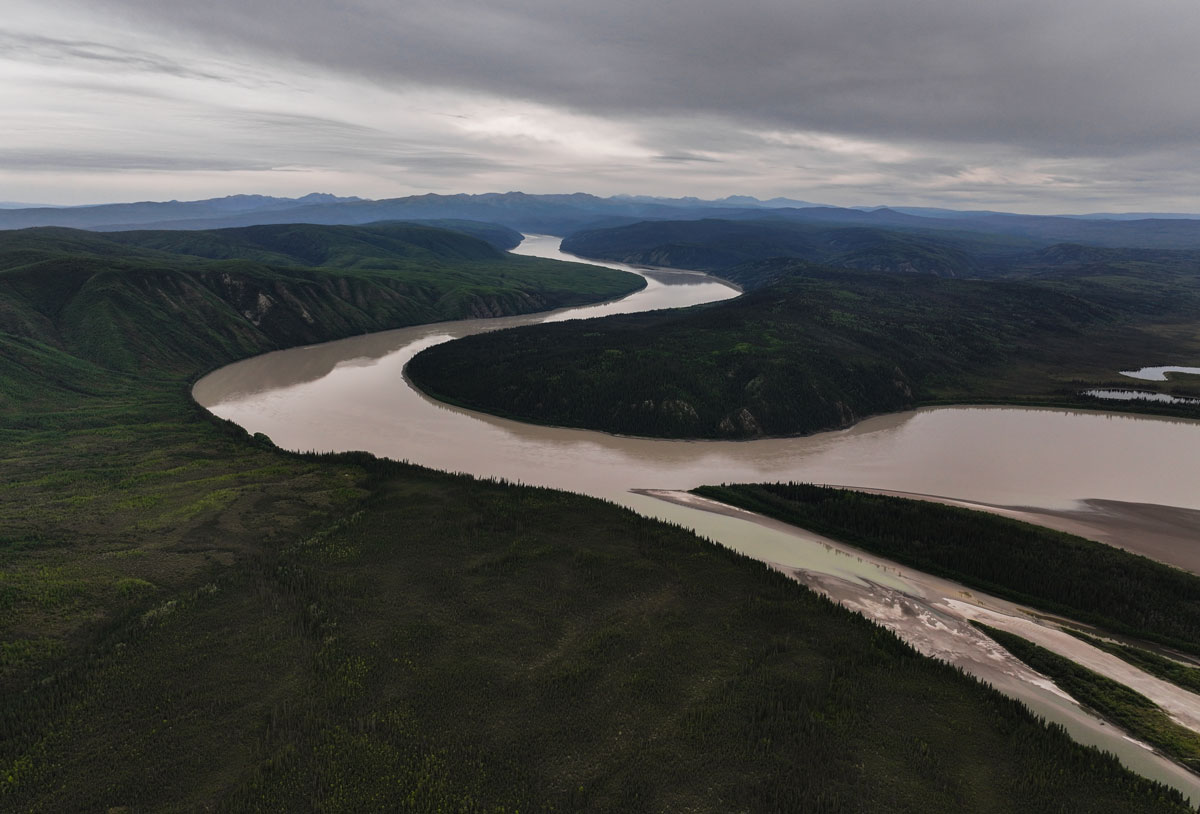
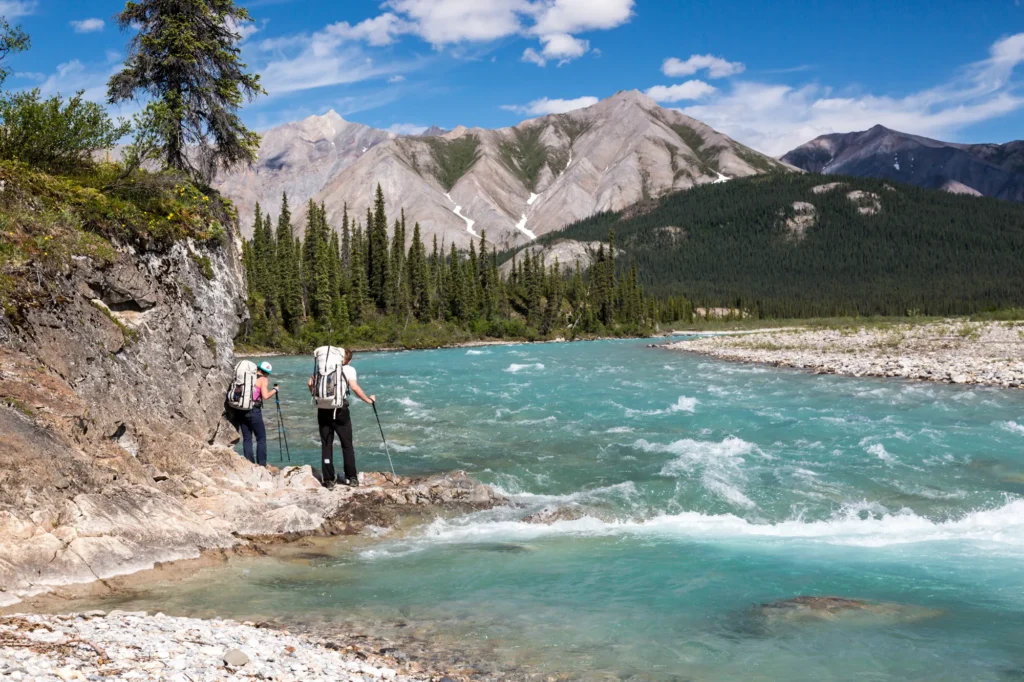
The Brooks Range spans 700 miles across Alaska and Canada’s high Arctic and offers no shortage of challenges and rewards to intrepid outdoors folks. This vast region is one of the largest, continuous, undeveloped areas remaining in the world, and is home to some of Alaska’s finest fly-in hunting and fishing opportunities. A trip into the Brooks can be daunting, so good risk management skills are key to making sure your dream trip doesn’t turn into a nightmare.
Luc Mehl, a renowned Alaska adventurer, knows full well the challenges, risks, and rewards the Brooks Range has to offer. Mehl grew up as a “helper hunter” in McGrath, Alaska. He left the bush after finishing elementary school but tries to make it back to McGrath each year to help hunt moose. Mehl is quick to poke fun at his hunting skills, admitting that his 88-year-old stepdad is a much better shot than him. He does consider himself an expert Ronco Pocket Fisherman, though. He carries the tiny fishing pole (as seen on TV!) on his Brooks Range treks.
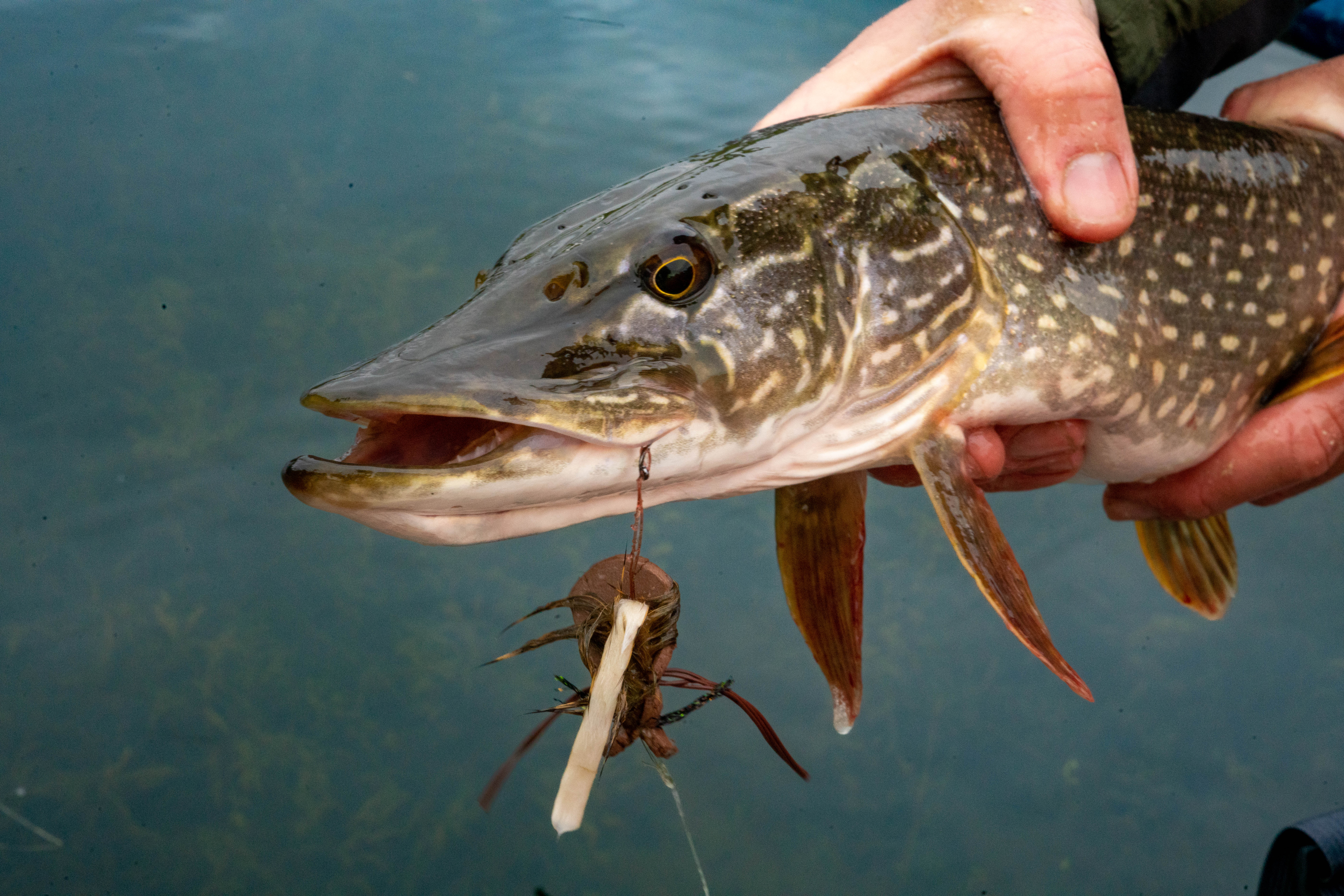
“During a trip in the western Brooks Range, we could reliably spot an Arctic char or grayling, catch it in one or two casts, and then boil it in our JetBoil,” Mehl says.
When asked about his first trip into the Brooks Range, Mehl admits he was intimidated. It was spring, temperatures were well below zero and the ski-trail breaking conditions were the worst he’d ever experienced. Since then, he’s made a dozen more journeys across the Brooks Range. Mehl recalls one magical experience from a summer trip.
“We started noticing a lot of loose caribou fur, hairs, in the river. It was novel, and also kind of gross, since the river was our drinking water. We got off the river late that night and noticed movement on the horizon like a shifting landscape as opposed to the sharp motion of a single animal. It turned out to be thousands of caribou. We spent the next few hours watching silently as the herd drifted across the tundra,” Mehl says.
Plan for things to go right. Train for when they don’t.
There’s an old saying that everything is bigger in Alaska. That’s especially true of the Brooks Range. Most outdoorsy Alaskans have had close calls and have known people who’ve lost their lives in the woods and on the water. Survival stories may be entertaining to read about, but they are miserable to live through. The Brooks Range presents some serious challenges, from pushy grizzly bears to wildly fluctuating rivers to its sheer remoteness. Mehl is a firm believer in learning good risk management skills before going into the field.
“Unfortunately, we don’t usually care about something until we have experienced loss. I was invincible into my 30s,” Mehl says. “That mindset was shattered when, within a few years, I triggered an avalanche that buried two people, was buried in a very remote avalanche, lost a former girlfriend to an avalanche, and had a friend drown in the Wrangell Mountains. The message couldn’t be clearer. I needed to get smarter about my time in the wilderness. Since then, I’ve been proactive about learning how to make better decisions.”
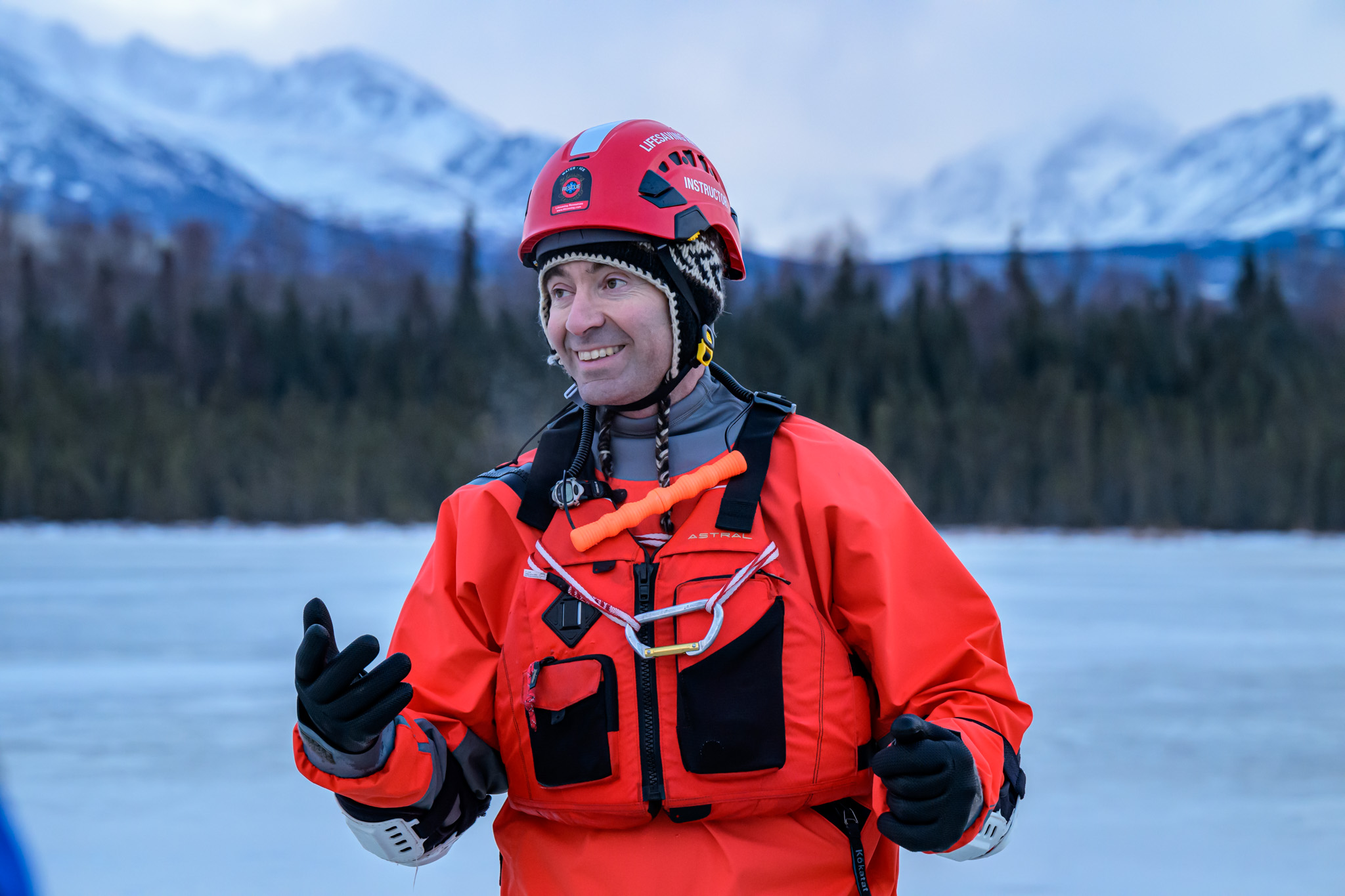
These days Mehl lives in Anchorage and is the owner of Triple Point Training, Rescue and Outdoor Education. Triple Point Training’s motto is “Plan for things to go right. Train for when they don’t.” This simple statement resonates especially true when it comes to venturing into the Alaska backcountry. Mehl studied geology and geophysics in graduate school, worked in the GIS sector, and developed a data driven approach to planning backcountry trips and understanding risk management. He’s spent a lot of time experimenting with different planning tools and refining which ones work. Those tools have enabled him to complete creative and ambitious trips throughout Alaska—over 10,000 miles by foot, pedal, paddle, ski, and ice skating.
Mehl offers a variety of outdoor skill courses, including Wilderness Risk Management and Trip Planning. Half of that course focuses on creating a trip plan using tools like Google Earth, CalTopo, near-real-time satellite imagery, weather forecasts, and more. Mehl makes sure that participants end up with a shareable intended route and clear backup plans for when things are most likely to go wrong.
The other half of the course focuses on decision-making, managing group dynamics, and formally preparing an emergency plan.
“Like, at what point of ‘overdue’ do we want someone to look for us, and who would that be?” Mehl says. “There is a lot of value in doing that work ahead of time so that your friends and family don’t have to figure it out on their own.”
Big Country Big Consequences
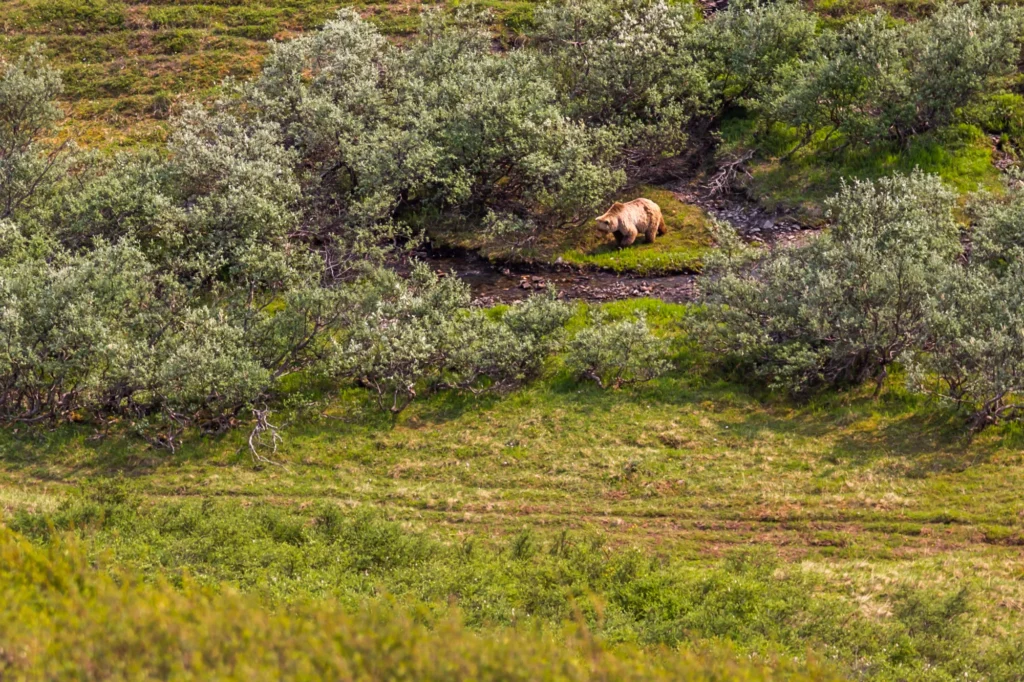
When asked to relate a specific Brooks Range risk assessment story, Mehl recalled an encounter he had with a grizzly. He expected the bear to react by sprinting away, same as the other dozen bears he had encountered during that trip. Instead, this bear came toward him.
“We eventually stood up and slapped our packraft paddles together to make noise. The bear stood and circled toward us—curious and definitely not running away. My knees got wobbly. Finally, the bear reached a downwind position, at which point it turned and ran,” Mehl says. “The lesson, which was conveyed to me later by a wildlife biologist, is that it is a mistake to project bear behavior based on previous experience. This goes against most risk management strategies, which are all about using pattern recognition to anticipate what will happen next. But bears, like people, can be unpredictable.”
In addition to teaching risk management, Mehl teaches outdoor skills courses on packrafting and whitewater rescue, “wild” ice skating and ice rescue, and works for the Alaska Avalanche School. He’s the author of the award-winning book, The Packraft Handbook. He’s also a staunch opponent of the proposed Ambler Road. If built, the Ambler Road would be a 211-mile industrial corridor through the southern flanks of the Brooks Range to develop an unknown number of foreign-owned mines. Mehl points out that a road of this scale and length in this location would fundamentally alter one of the largest continuous tracts of wild lands on earth.
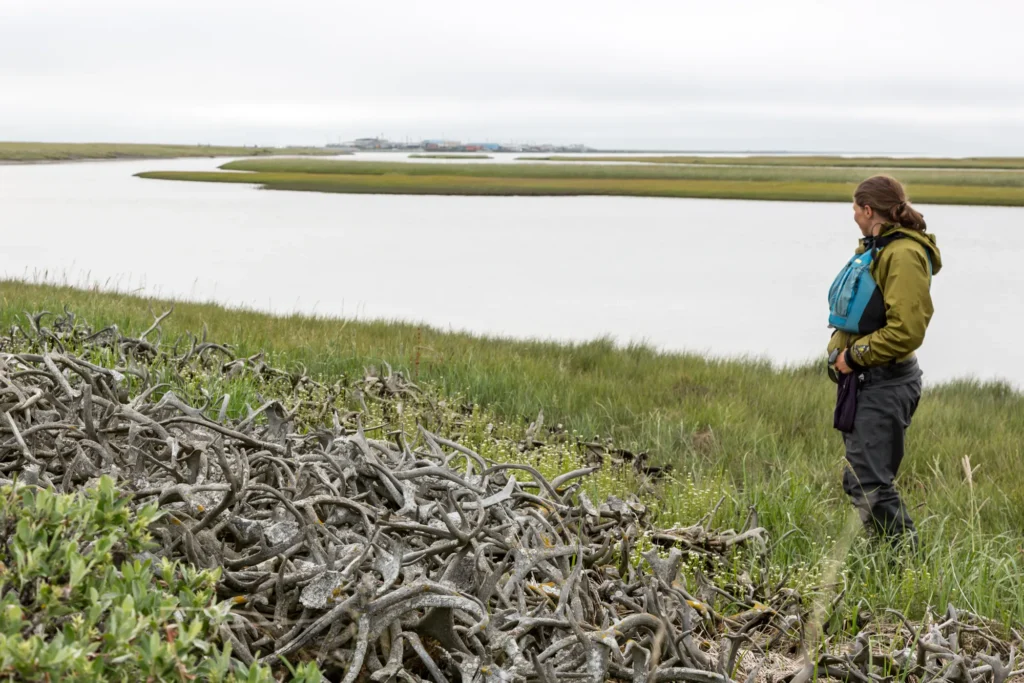
“I keep emphasizing continuous,” Mehl says, “because that’s what makes Alaska so special for its inhabitants, on two legs and four. Alaska’s continuous tracts of wild lands are unique within the world. Development only has to happen once to take that away, especially in wetlands, which make up so much of the Brooks Range. I’ve seen 40-year-old tire tracks up there. The frustrating thing with conservation efforts like Ambler is that you only need to lose the battle once.”
We at Hunters & Anglers for the Brooks Range recognize Mehl, with his decades of hard-earned experience and conservation ethic, as a valuable resource for safely experiencing the big wild the Brooks Range has to offer. Whether you’re planning your first trip to the Brooks or your 20th, we and Mehl encourage you to be prepared before you go.
To learn more visit Things To Luc At & Triple Point Training – Stories, Safety, and Stewardship from Alaska
Photo credits: Luc Mehl