Brooks Range Voices: Daniel Skarzynski
The trapper, dog musher, and guide shares stories of his life in the Brooks Range and tells how the proposed Ambler Road would damage America’s wildest hunting and fishing grounds while benefiting foreign interests.
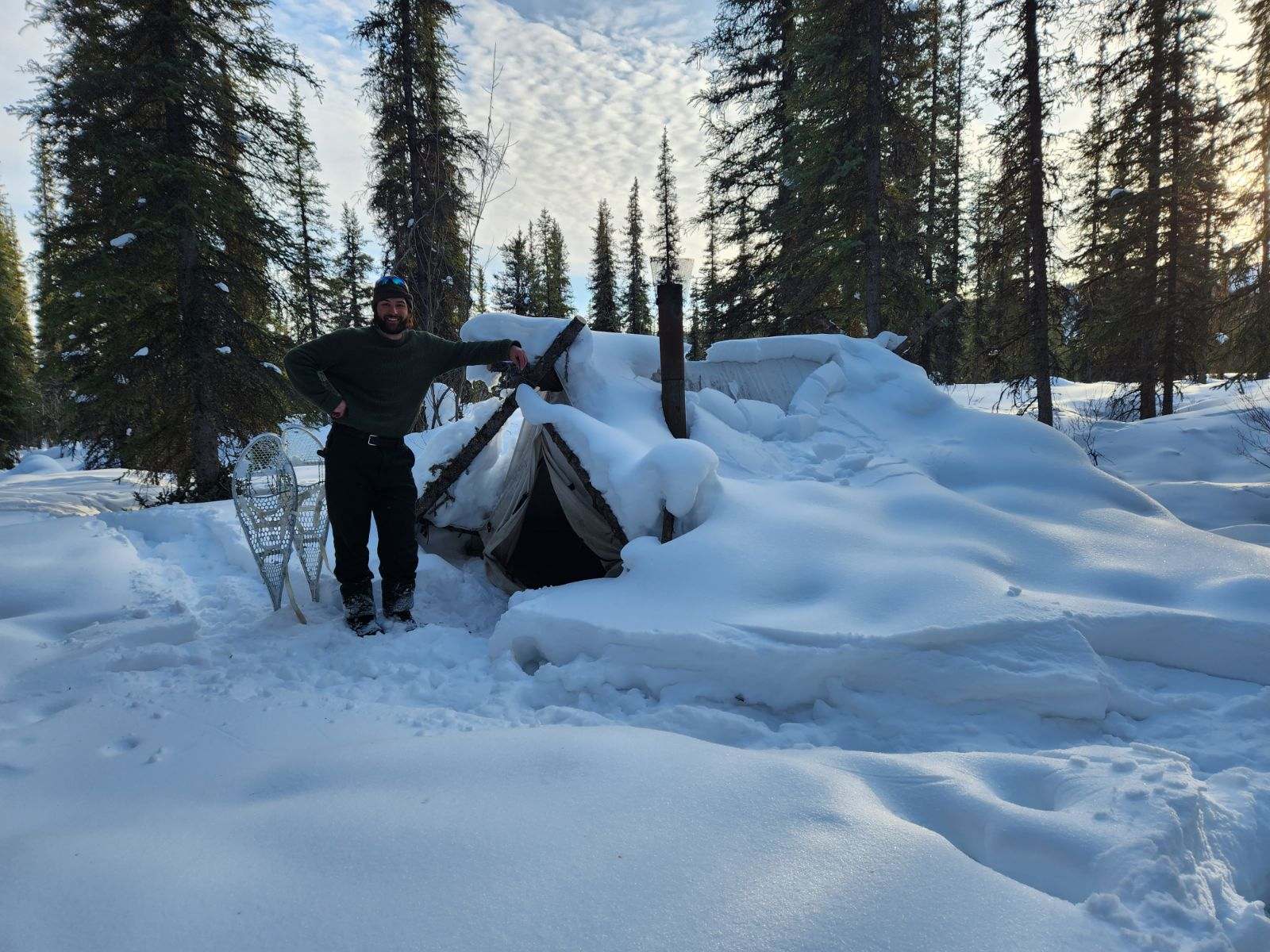
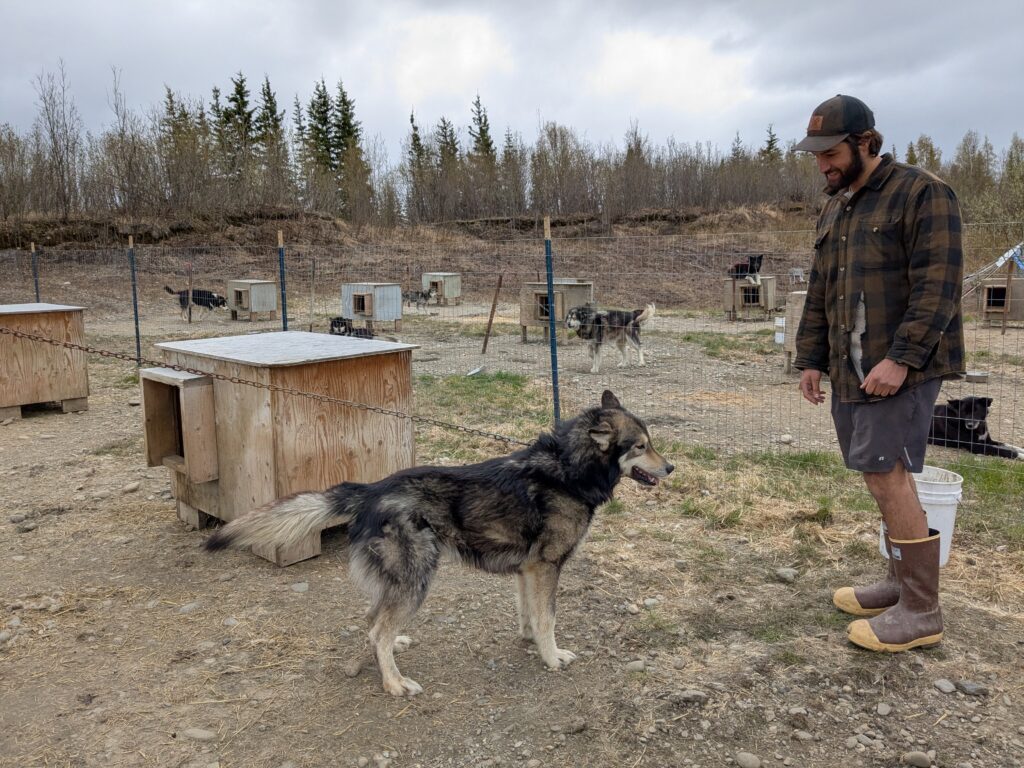
Daniel Skarzynski moved to the Brooks Range after hearing a friend share how it was the wildest place left on Earth. Getting to experience the wild freedom of Alaska’s most-arctic mountain range was a dream come true. Getting to live there full-time was even better. Skarzynski resides in Coldfoot where he works as a trapper, dog musher, and guide.
Skarzynski is deeply opposed to the proposed Ambler Road. If built, the 211-mile industrial corridor, designed to support the development of an unknown number of mines, would cut through the southern Brooks Range. It would irreparably harm Skarzynski’s and other rural people’s lifestyle and the opportunity for visiting hunters and anglers to experience some of America’s last wildest public lands.
Here’s his story.
How long have you had a connection to the Brooks Range?
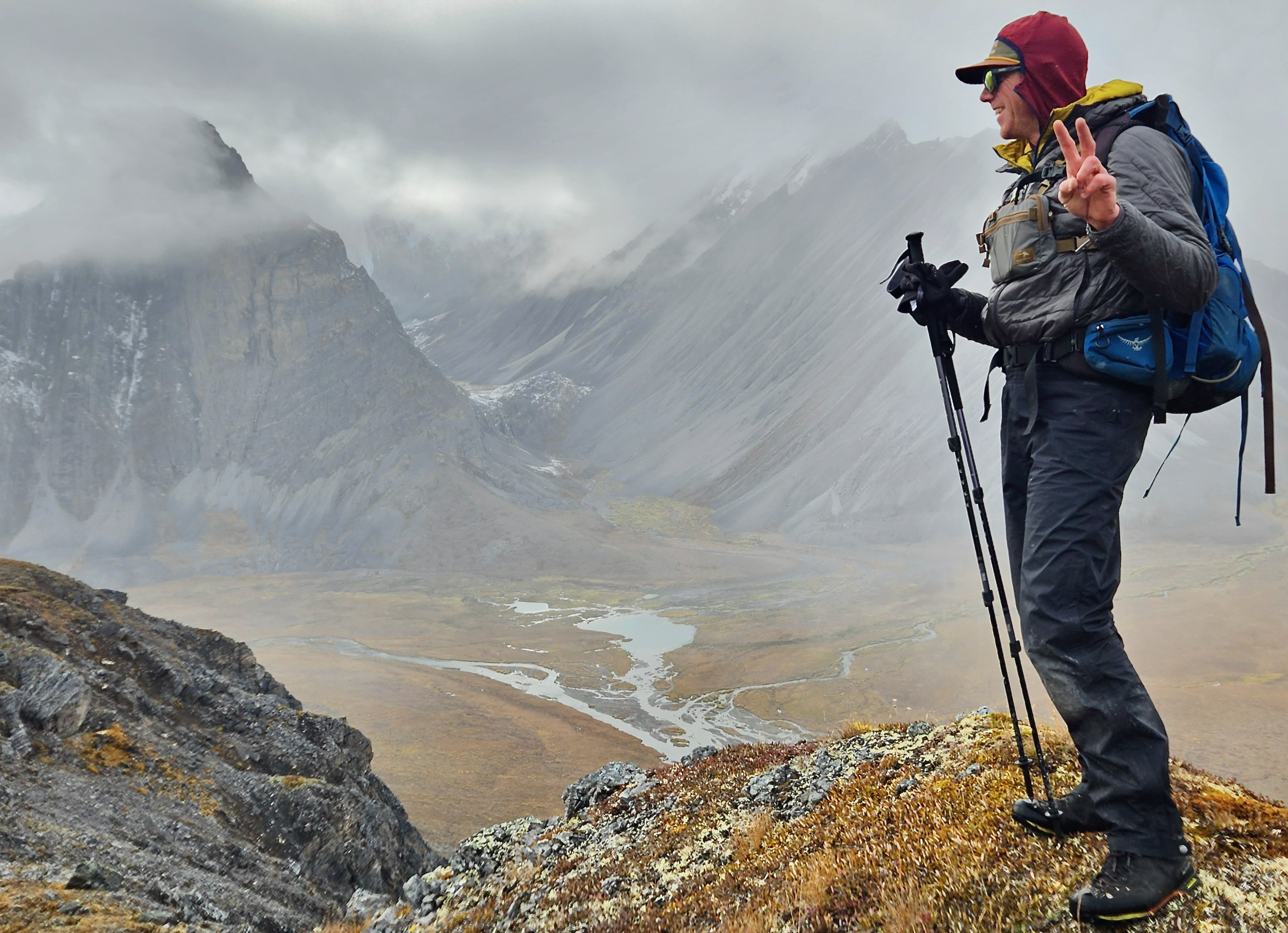
I’d not heard of the Brooks Range until a friend who’d spent a couple summers doing academic field work there told me about the place. The way he talked about it made the Brooks sound like the last wild place on earth, somewhere beyond the end of the map. I had to see it for myself. So I found a job as a tour guide in Coldfoot. Being able to live and work in the Brooks Range felt like winning the lottery. I’ve been here for six years now.
What do you love most about living in the Brooks Range?
The freedom. In the Lower 48 when you’re out on the land, there’s always that nagging voice asking, “Can I do this? Should I be here?” You don’t get that feeling in the Brooks Range. Here, you’re free.
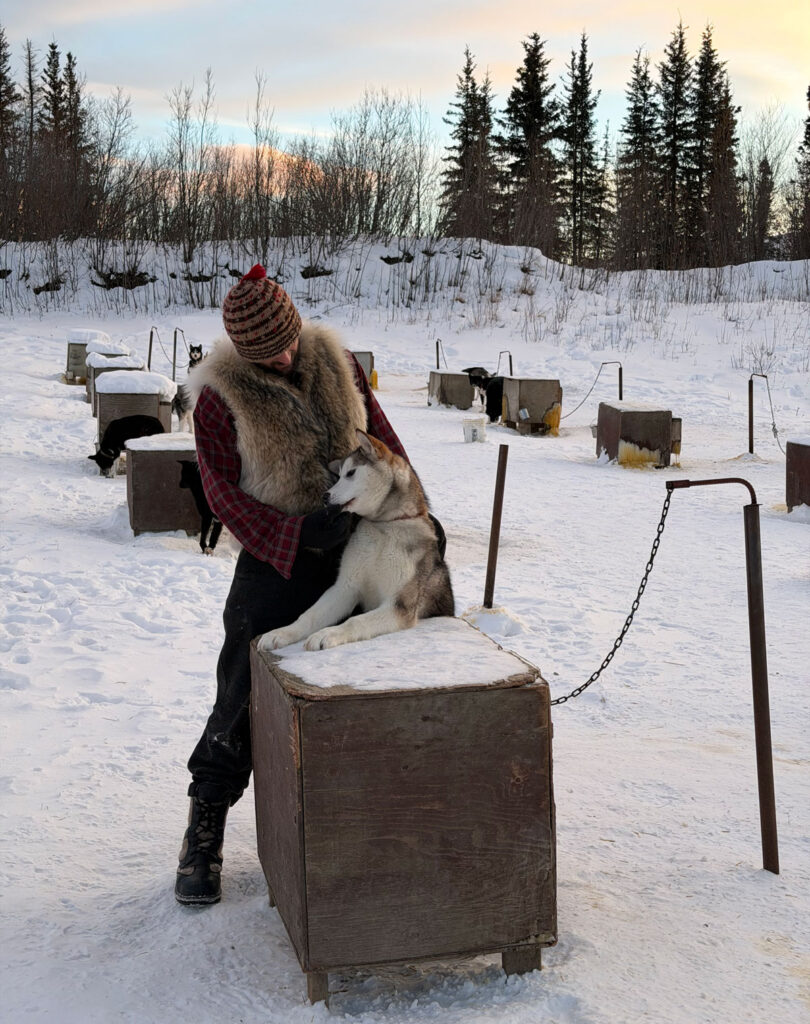
When I’m out running my trapline with my dogs in the winter, I have the valleys, mountains, and forests to myself. Even though I start running my trapline from the Haul Road, I can go weeks without seeing another person. Having only myself to worry about and rely on is incredibly liberating.
Please describe the sort of work you do in the Brooks Range.
I worked for a couple seasons in Coldfoot for the Northern Alaska Tour company and then branched out to run my own dog-mushing business. Taking visitors from all over the country and the world into the Brooks Range is the greatest form of advocacy. Getting out into total silence is something most people have never experienced. They come away with a better understanding of how rich, rare, and invaluable the Brooks Range is.
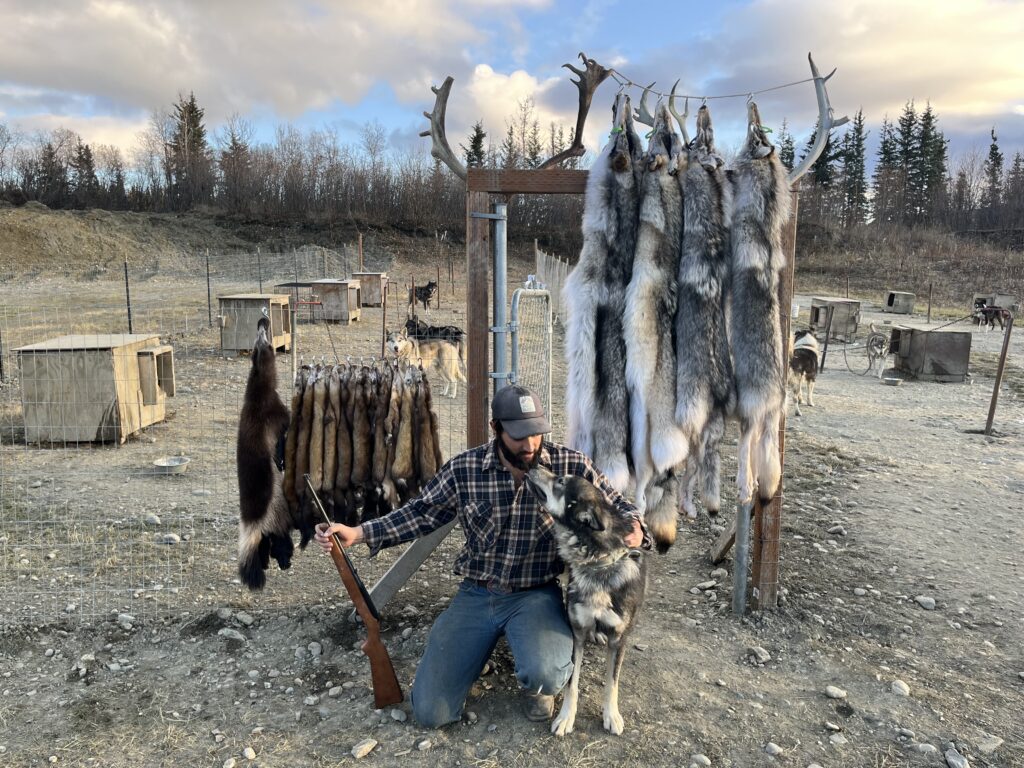
I also spend the winter trapping to augment my income.
Are there particular species of fish, wildlife, or plants that are especially important to you?
All species of fish, wildlife, and types of plants are important. A healthy ecosystem can’t really be broken down into single parts. Everything plays an important role.
That said, wolves have a special place in my heart. I spend a lot of the winter trying to trap them. It makes me appreciate them even more. I spend days thinking about what they’re doing, how they’re moving, and watching their sign. To me, they’re the ultimate symbol of wilderness. These wolves are not reintroduced, not endangered, and not managed. They’re just here, like they’ve always been. They’re so smart. Trapping wolves is a battle of wits. That’s something most people don’t realize about trapping. It takes you from a voyeuristic experience of nature to being an active participant where you confront life and death, which, up here, is the very evident basis of all existence. And then there’s something about stopping on the trail as the moon comes up over the mountains and hearing the wolves howl all around you.
What makes the Brooks Range so special or unique? Why should people in the Lower 48 care about the future of this region?
The sad truth is that there is arguably no real wilderness left in the Lower 48. We’ve spent more time redefining what wilderness “might be” than we have protecting it. The goal posts of what wilderness is has moved incredibly far in the past hundred years. Far from the limitless wilderness many in the Lower 48 believe Alaska to be, there is not as much truly wild country left up here as you’d think. The Brooks Range is the closest thing we have to the big wild. If we want to keep anything remotely resembling wilderness, conserving the Brooks Range is just about our last chance.
What do you think most people would be surprised to know about the Brooks Range?
That a place like this even exists in today’s age.
Please share at least one piece of essential gear you’d recommend and a piece of advice you’d share with someone planning their first wilderness trip in the Brooks.
The best winter sleeping bag you can get is made by a small Colorado company called Wiggy’s. The bags are bulky, but they work and cost a fraction of what brand-named down bags do. I have used their Antarctic Sleeping Bag with an overbag and slept comfortably at -50 with nothing but spruce boughs for ground insulation and a sheet of Visqueen for shelter.
My advice is to be prepared to be patient and roll with the punches. Rivers can come up, snow can fall, and flights can be delayed. If you’re prepared and don’t panic, none of that is a problem. Some of the best adventures I’ve had were because of needing to adapt to changing conditions.
Is there a part of the Brooks Range that you haven’t had the chance to explore but would like to?
I’d like to spend more time on the north side. The open country up there is not only stunning, but also a whole different challenge. There’s less shelter, less wood for fires, and more wind.
Please share a favorite hunting or fishing memory or story from your time in the Brooks Range.
I was coming back from a float hunt with a friend after getting a moose on the second to last day of the season. We camped next to an eddy in the river where we tied up the boats one night. In the morning the river was running slush and the large eddy had ice about an inch thick. We had to smash our way out of there from the bow of the raft. As we floated downriver, I was so low in the water that the slush was riding up and piling on the footboard of the raft. But the weather was gorgeous, and we had our moose. It was awesome. It was one of those moments that you just sit back and think, “This is why I’m out here.”
What concerns you the most about the proposed Ambler Road and/or the associated mines?
My biggest concern is the fundamental change that development will bring to the character of this wild and free country, and the ensuing loss of individual freedom. What’s more American than wide open country? You can’t build a road to wilderness, because if you can drive there, it’s not wilderness. Aside from the negative ecological impacts, anytime you get a road, you get more people, more hunting pressure, and more restrictions. And make no mistake, the Ambler Road is just the start of a bigger push to develop Arctic Alaska.
How might you and your business be impacted if the proposed Ambler Road were built?
It would get busier around here. Coldfoot lies just fifteen miles from the Ambler Road’s proposed junction with the Dalton Highway. It would make it that much harder to make a living off the land. Odds are I’d have to clear out to somewhere farther back in the country if I wanted to keep doing what I’m doing.
What’s the biggest misconception you’ve heard about the proposed Ambler Road, and how have you responded?
The biggest misconception is that the proposed Ambler Road is a road to a mine. Ambler is a prospect, not a mine. At one point an executive at Trilogy Metals, which is one of the two stakeholders who own Ambler Metals, said they planned to sell their share once the road was built. Trilogy is a publicly traded company. They’re looking to make a quick buck. They wouldn’t do that if they thought it was actually a strong prospect. It’s the same reason South32, the other stakeholder of Ambler Metals, has staked thousands of claims along the route of the proposed road. Once a road is there, those unproven claims will be worth a lot more money. Maybe there’s a viable amount of ore there and maybe there’s not, but that has nothing to do with why they want this road. This is just a justification for making a quick buck at the expense of Alaskans, Americans, and some of the most wild land we have left.
What might you say to someone who said, “I don’t understand why this road is such a big threat?”
I think there’s plenty of reasons ordinary American citizens should care about maintaining open country beyond just fish and game.
It’s a 211-mile road that will open thousands of square miles to development. On top of making subsistence for rural communities in Western Alaska much harder, the whole project is being steered by foreign interests. Do we want foreign corporations deciding what’s best for Alaska and America’s wildest public lands?
Why is it important that hunters and anglers across the nation speak up against the proposed Ambler Road?
Conservation is a hard battle. You must stay vigilant and win constantly to protect the land and way of life you love. Developers, who take away your rights to public land, only need to win once. There was a time in our history when we thought the West was limitless and untamable—even places like California used to be rugged frontier. Now look at it. Alaska is no different. We’re not immune. If we want to have any land left for future generations to hunt and fish and exercise their basic right to test themselves against the land, we need to put our foot down somewhere. Otherwise, it’ll be taken away piece by piece until nothing is left.
Is it too much to leave a few places like the Brooks Range wild?
Photo credit: Daniel Skarzynski
The views, thoughts, and opinions expressed in the above blog are those of the individual and do not necessarily reflect the views of Hunters & Anglers for the Brooks Range or partners. HABR does not accept responsibility for these views, thoughts, and opinions.