Tag: brooks range

Brooks Range Voices: Seth Kantner  

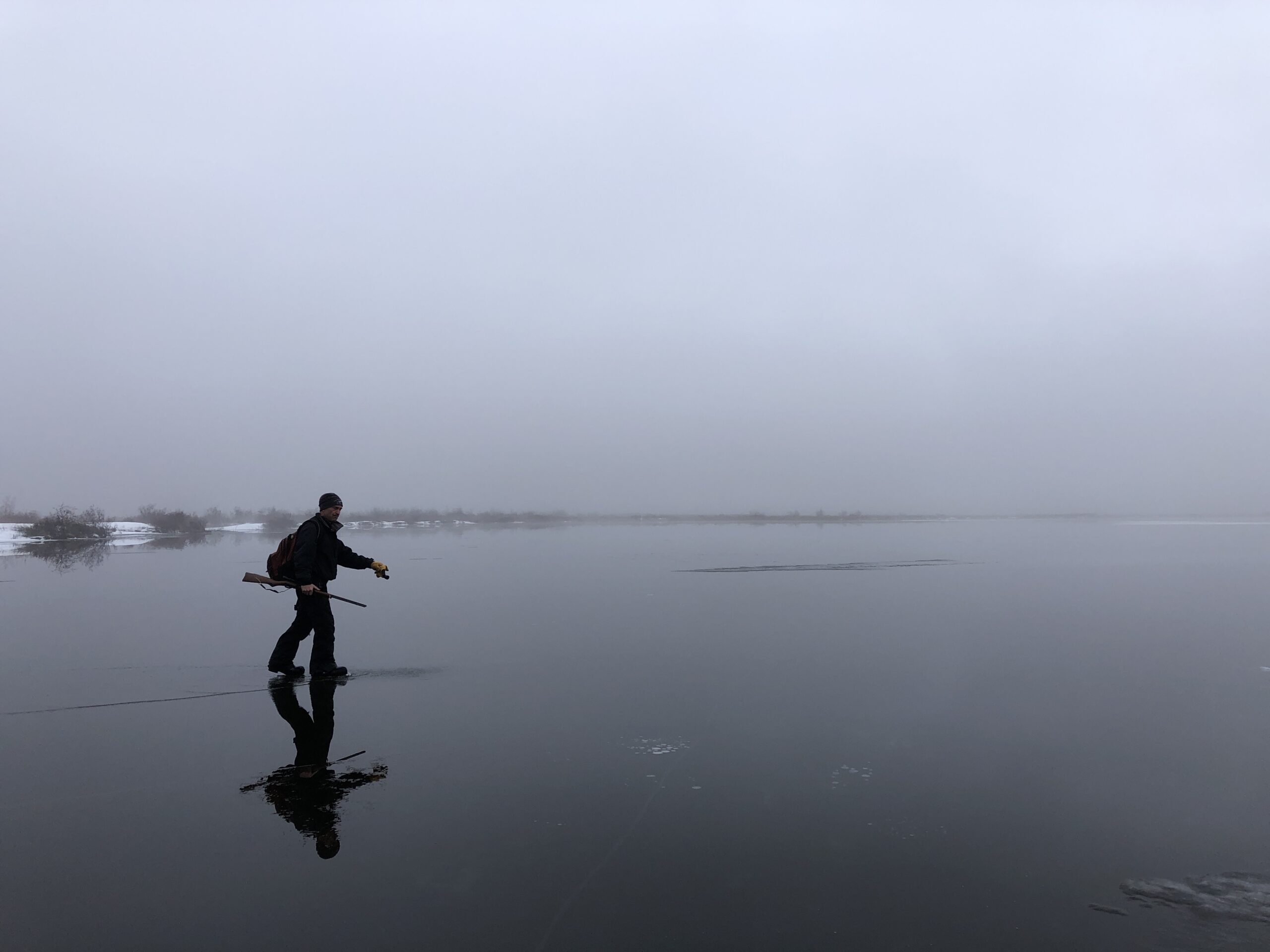
Seth Kantner is a writer, commercial fisherman, and photographer who splits his time between Kotzebue, Alaska, and the Kobuk River. Kantner was born in a sod igloo on the river and has made a life hunting, fishing, and gathering from the land. If you haven’t read his work, do yourself a favor and pick up one of his books. Some of our favorites are A Thousand Trails Home: Living with Caribou, and Ordinary Wolves.  

Kantner strongly opposes the proposed Ambler Road. The industrial corridor threatens the land, wildlife, and lifestyle that he loves and that support his subsistence needs and artistic work. He believes that hunters and anglers need to unite with local residents to keep the Brooks Range wild for all people.   

Here is his story.  

What do you love most about living in the Brooks Range?  

I love traveling the wild country in all seasons and directions. I love being able to harvest what I need to live from this land and these waters.  

Please describe the types of activities you enjoy in the Brooks Range.   

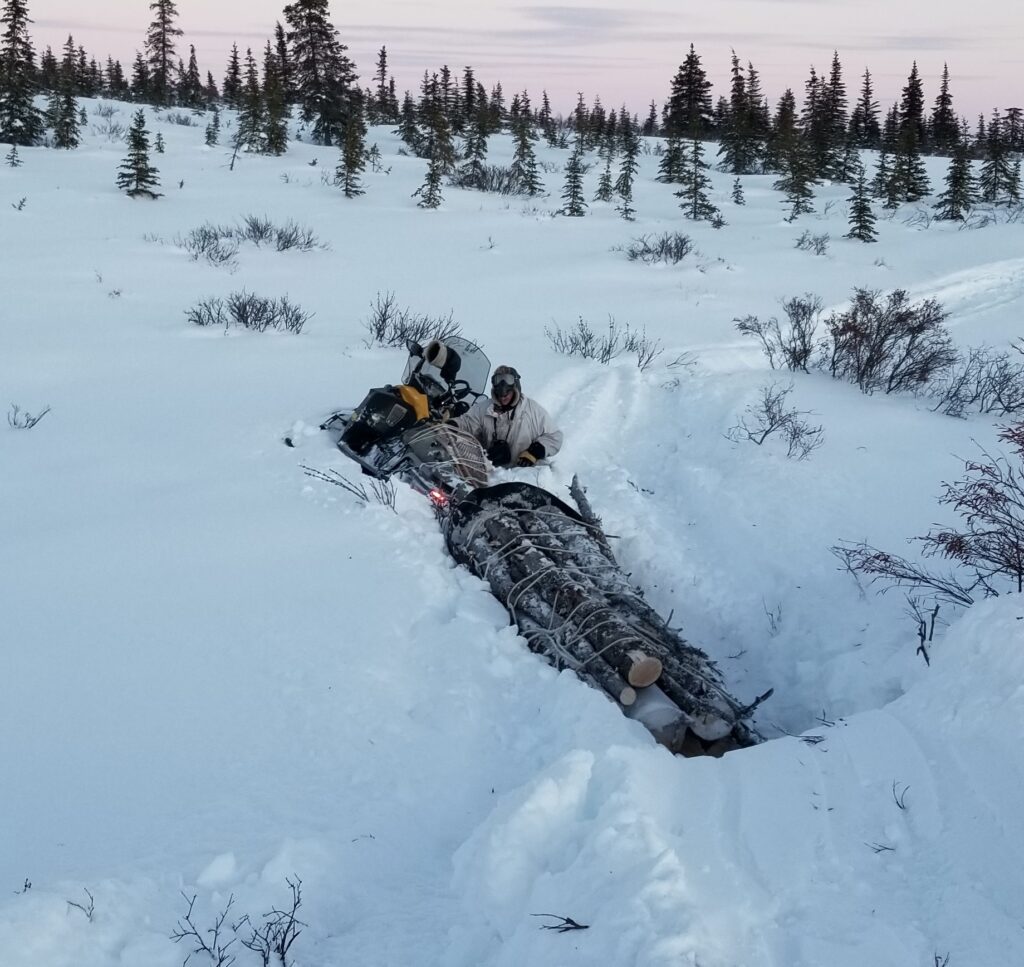
In the fall, I like walking the tundra and smelling the aromas and seeing the colors. I like seeing how plants and animals have fared for another season. Often, I’ll be picking cranberries while keeping an eye out for meat for dinner, as well as caribou for use all year long. After autumn, I enjoy watching freeze-up and how it affects mating moose, denning bears, migrating caribou, and all the various creatures here. Then, with winter, there’s ice fishing, storms, and darkness. In spring, there’s the joy of the returning sun, spring bird migrations, goose hunting, hauling firewood, gathering supplies from the land, and the last chance at travel across the ice. Then we’re finally back around to water again, with summer and salmon returning.  

Are there particular species of fish, wildlife, or plants that are especially important to you?  

Furs and salmon have been most important to me for having a few green dollars over the decades. Caribou, muskox, bears, moose, and fish have provided the most meat and fat for countless meals from this land. Special always to my hands and heart and wardrobe have been wolf skins, caribou hides, cranberries, spruce wood, white-fronted geese, blueberries, and other needed/loved foods and materials. Caribou and other animals — not to mention beautiful and open wild landscapes — have also provided me with photographs to document the riches of nature, and the rapid changes taking place.  

What makes the Brooks Range so special or unique? Why should people in the Lower 48 care about the future of this region?     

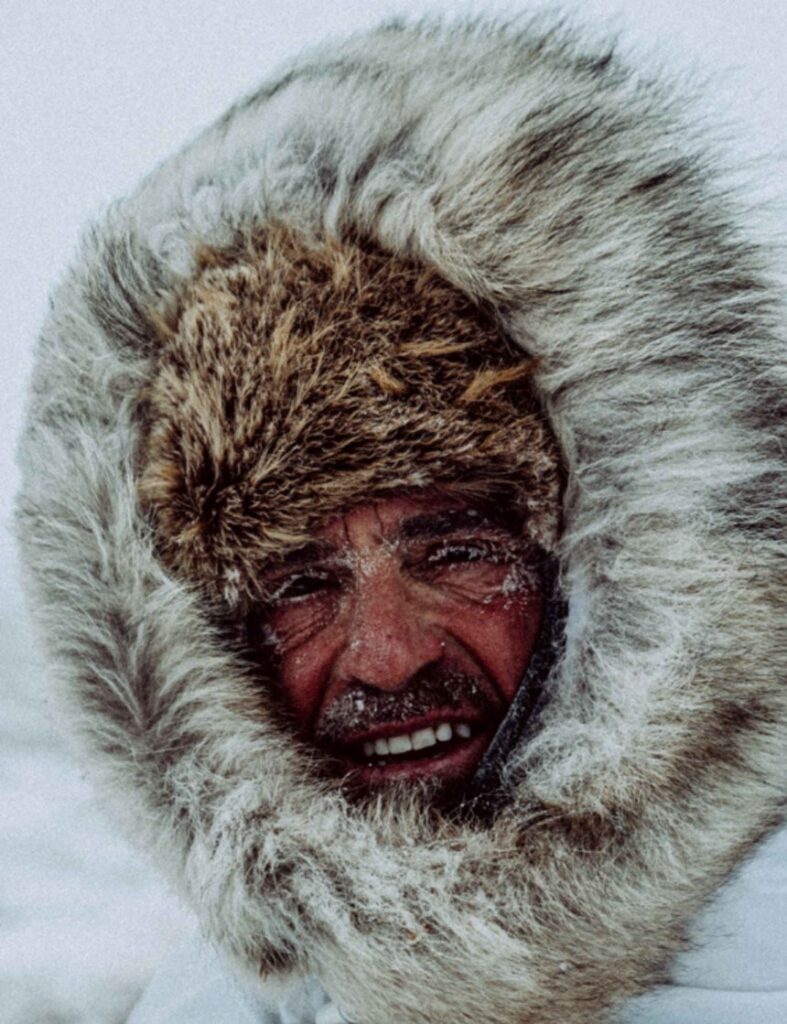
The Brooks Range is a present-day version of what people think of when they imagine the near-mythical American Frontier of the early 1800s. Grizzly bears, wolves, colossal herds of migrating ungulates, clean clear rivers, giant wild fish, and Native hunters — all on a vast and seemingly endless wilderness with only very rare signs of humans.  

What do you think most people would be surprised to know about the Brooks Range?    

I grew up in the Brooks Range, with humans being the rarest creatures around, so I’m not a good judge of what would surprise people about this place.  

Please share at least one piece of essential gear you’d recommend—or a piece of advice you’d share—with someone planning their first wilderness trip in the Brooks.   

This is big country, maybe bigger than you might realize from home. An airplane drop in the Brooks Range could turn into a trip for you that’s not only far away in distance, but also back in time centuries or more.  Bring a sharp knife. And your humility.  

Is there a part of the Brooks Range that you haven’t had the chance to explore but would like to? Where would you go and what would you do?    

Most of it! The Brooks Range is huge and stretches from the northwest coast of Alaska all the way east to Canada. I’m kind of a homeboy. Locally, we prefer to travel only as far as we need to gather food. I’ve seen only portions of the Brooks Range, often in winter when the ice is thick enough for traveling the rivers and land. I’d like to see more of the country between Shungnak and Anaktuvuk Pass, and more in summer and fall.

This is big country, maybe bigger than you might realize from home. An airplane drop in the Brooks Range could turn into a trip for you that’s not only far away in distance, but also back in time centuries or more.  Bring a sharp knife. And your humility. 

Seth Kantner

Please share a favorite hunting or fishing memory or story from your time in the Brooks Range.    

My life is all those stories. Buy some of my books!  

What concerns you the most about the proposed Ambler Road and the associated mines?    

It’s hard to know where to start. Why wreck this amazing wilderness, pollute these clean rivers, all this land, and our way of life?  There are countless examples of that, worldwide—the Brooks Range is a shining example of a piece of the planet BEFORE that kind of unnecessary destruction. 

How might you and your community be impacted if the proposed Ambler Road were built?    

Our way of life here — and the wildlife, too — would be washed away under a deluge of people, machines, and money. Especially the money. We’d lose what matters to us. We’d have to live on store food. Hunting and fishing would no longer be the age-old focus of local culture, and the land wouldn’t be rich and all-providing as it is now.  All that would be traded for some new iPhones and talking toasters, and a couple billionaires thousands of miles away getting a few zeros richer. 

What’s the biggest misconception you’ve heard about the proposed Ambler Road, and how have you responded?  

There are too many to list. The biggest nonsensical claim is that tearing up the Brooks Range to mine copper and other minerals is necessary to make the world “greener.”  

What might you say to someone who said, “I don’t understand why this road is such a big threat?”  

They need to spend time in the vast wilderness of the Brooks Range. That might be one of the clearest visions of this threat. 

Why is it important that hunters and anglers across the nation speak up against the proposed Ambler Road?   

We need help. We need a coalition of groups to face this huge machine that wants to convert wild country directly into money.  

It’s critically important for this land, and the earth, that we win this battle — and keep winning it. Also, it’s important because local people are taking a stand. Villagers have risked speaking out, and villagers here are not used to doing that. For this reason — in addition to protecting the land — we need to stay vigilant and keep growing stronger and more resolute.   

Thank you for any and all help, and I will do my best to return that when and if your home is endangered.  

Photo credit: James Q. Martin; Kiliii Yuyan; China Kantner


Sign up for Hunters & Anglers for the Brooks Range updates here.  

The views, thoughts, and opinions expressed in the above blog are those of the individual and do not necessarily reflect the views of Hunters & Anglers for the Brooks Range or partners. HABR does not accept responsibility for these views, thoughts, and opinions.
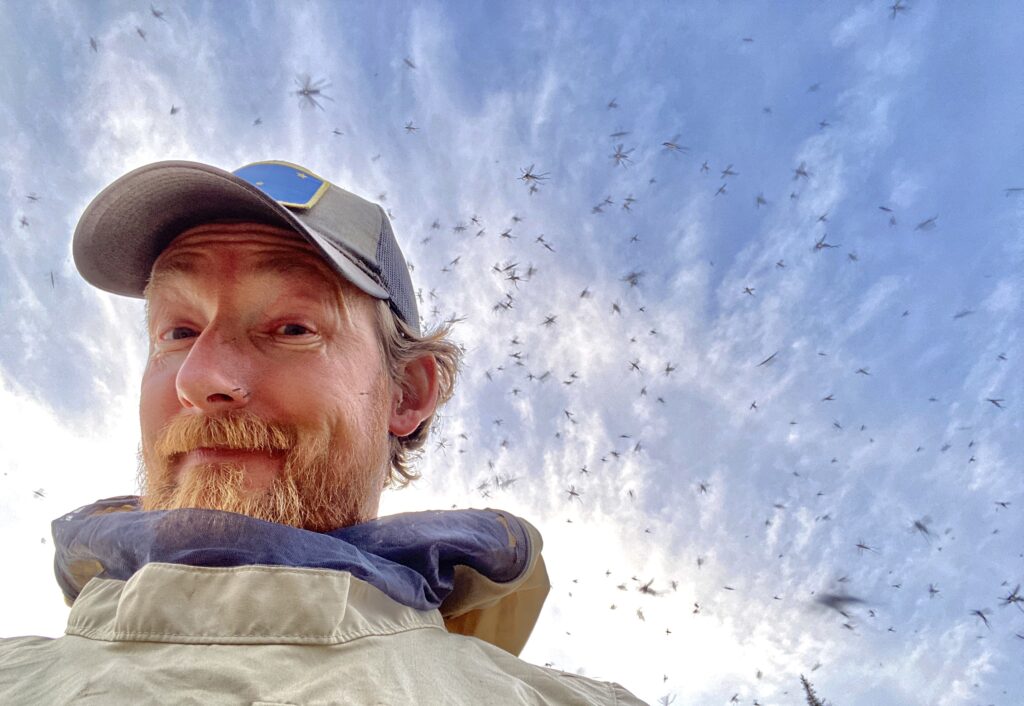
Brooks Range Voices: John Gaedeke  

John Gaedeke and his family built and have operated, for a half century and counting, the Iniakuk Lake Wilderness Lodge in Alaska’s Brooks Range. Having spent a lifetime exploring and living in the Brooks, Gaedeke understands this landscape is unlike any other. This realization has been solidified as he has witnessed the deep, positive effect the wildness, quiet, and beauty of the Brooks Range has on his guests.

That’s part of the reason why Gaedeke opposes the proposed Ambler Road. If built, the 211-mile industrial corridor, designed to support the development of an unknown number of mines, would cut through the land just a few miles south of his lodge. It would irreversibly alter the wild character of the Brooks to the detriment of local and visiting hunters, anglers, and others who care about wild country.   

Here is his story.     

How long have you had a connection to the Brooks Range?  

My parents started a wilderness lodge on Iniakuk Lake in the summer of 1974. I was born the next summer, so my connection to the Brooks began at birth.  

What do you love most about living in the Brooks Range?  

I love the Brooks Range’s unending vast, wild space and its power to stun people — newcomers, especially.  

Tell us about the services and activities you offer.  

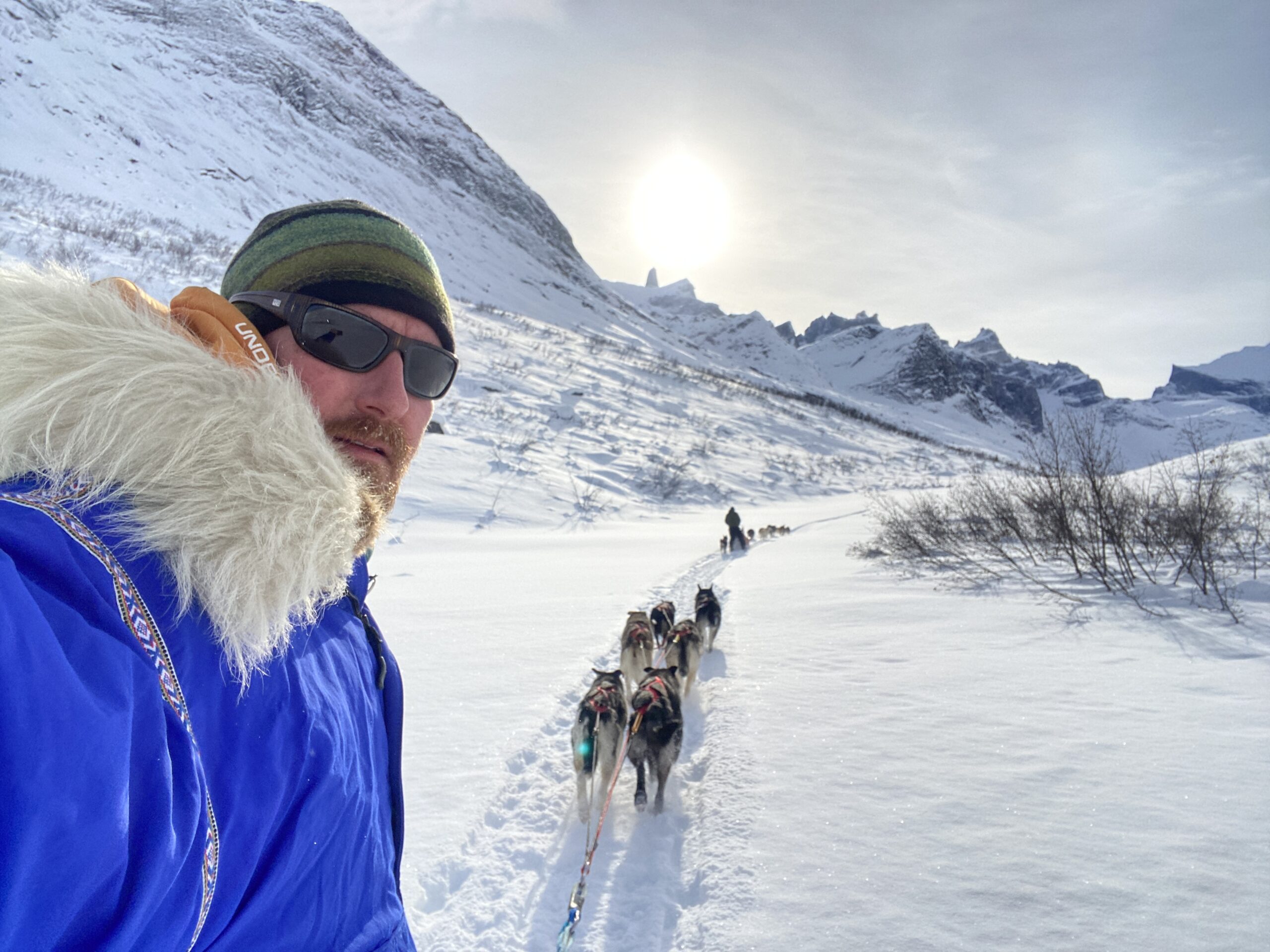
My family is entering its 50th season offering tours into the Brooks Range from our lodge at Iniakuk Lake. My parents founded the place as a hunting lodge. Today, we offer sightseeing into Gates of the Arctic National Park, where we have inholdings along the Alatna River. We also fly clients out to Kobuk Valley National Park in the summer. During March and April, we offer aurora viewing and teach people how to drive their own dog teams.  


Are there particular species of fish, wildlife, or plants that are especially important to your business?   

The caribou and contiguous wilderness are a big part of why people come so far north to see the Brooks Range. Our caribou cabin at the headwaters of the Alatna River allows people the opportunity to see the Western Arctic Caribou Herd migrating right past the front door.  

What makes the Brooks Range so special or unique?   

The Brooks Range is unique because it is completely intact. Despite thousands of years of human occupation, it remains essentially what it has always been. We don’t need to clean the rivers or restock the fish. We just need to not screw it up with large scale industrialization.   

Why should people in the Lower 48 care about the future of this region?  

People in the Lower 48 should care because the Brooks Range region is the last of the roadless wilderness in North America. We are the last state for caribou. We are the only state above the Arctic Circle. If we cannot protect what is already wild and beautiful, then we will most likely destroy everything in between.  

What do you think most people would be surprised to know about the Brooks Range?    

I think most people would be surprised to know that the Brooks Range is entirely north of the Arctic Circle but can still have temperatures that are between 80 and 90 degrees in the summer and negative 50 or 60 degrees in the winter. It is a land of extremes.  

Please share at least one piece of essential gear you’d recommend—or a piece of advice you’d share—with someone planning their first wilderness trip in the Brooks.   

For your first trip to the Brooks Range, I highly recommend bringing an InReach so you can let people know you are OK. It is so remote that no other device will work quite as effectively. I would also advise people to start small with a trip focused on one river or lake. Too many people think that since it is so far, they should paddle and see as many rivers as possible, in case you never get back here. Pace yourself — the experience will change your soul and you will want to return.  

Is there a part of the Brooks Range that you haven’t had the chance to explore but would like to? Where would you go and what would you do?    

I would like to travel across the entire northern edge of the Brooks Range by snowmachine in the spring, dipping south into the different valleys and seeing the massive caribou herds before they disappear.

“The biggest misconception I have heard is that a private industrial road will help lower the cost of goods to local villages. Local villages will not be connected to the road. They will get all of the bad with none of the good. I respond to this misconception by saying look at Tanana, Manley, Minto, and Circle. Go see what a road has done for those communities and their economy. Road access is not a magic wand leading to prosperity.”

John Gaedeke

Please share a favorite hunting or fishing memory or story from your time in the Brooks Range.    

One year, I drove a snowmachine from Bettles west to Allakaket, then up the Alatna River to Survey Pass and on through to Anaktuvuk Pass. Then I went east and south through Ernie Pass, down the North Fork of the Koyukuk, and back to Bettles. It was a perfect 10-day weather window in February, and the trip was flawless. We were surrounded by 2,000 caribou at one point, and it was hard to believe it wasn’t a dream.  

What concerns you the most about the proposed Ambler Road and/or the associated mines?    

I am most concerned about the lack of oversight for the Ambler Road and associated mines.  It is a ludicrous idea to subsidize a flawed project where the economics clearly do not work.  

How might you and your business be impacted if the proposed Ambler Road were built?    

The road is proposed to cross just a few miles off the end of Iniakuk Lake, so our wilderness lodge would effectively become a drive-through. The gravel mines necessary to build the road would stretch in all directions. With construction delays and funding issues, the project would assuredly be an endless boondoggle. It would destroy the hunting areas of nearby villages. It would invite the intrusion and destruction of wild lands in a way that is sacrilegious.   


What’s the biggest misconception you’ve heard about the proposed Ambler Road, and how have you responded?   

The biggest misconception I have heard is that a private industrial road will help lower the cost of goods to local villages. Local villages will not be connected to the road. They will get all of the bad with none of the good. I respond to this misconception by saying look at Tanana, Manley, Minto, and Circle. Go see what a road has done for those communities and their economy. Road access is not a magic wand leading to prosperity.  

What might you say to someone who said, “I don’t understand why this road is such a big threat?”   

The Ambler Road is a proposal to bring large scale open pit mining and industrialization to one of the world’s last and most remote contiguous wilderness areas. There is no existing infrastructure in this area. All power, transportation, excavation, refinement, and supply chains would have to built from nothing. It would threaten 11 major rivers, each one a unique watershed. Industrial development in any one of those 11 watersheds would be wildly controversial on its own if any of those rivers were in the contiguous United States.  

Why is it important that hunters and anglers across the nation speak up against the proposed Ambler Road?   

Hunters and anglers must speak up because we intimately know what is at stake. We cherish our time in the wild, and we have a powerful, bipartisan voice that crosses political lines.  

Photo credit: John Gaedeke


Sign up for Hunters & Anglers for the Brooks Range updates here.  

The views, thoughts, and opinions expressed in the above blog are those of the individual and do not necessarily reflect the views of Hunters & Anglers for the Brooks Range or partners. HABR does not accept responsibility for these views, thoughts, and opinions.
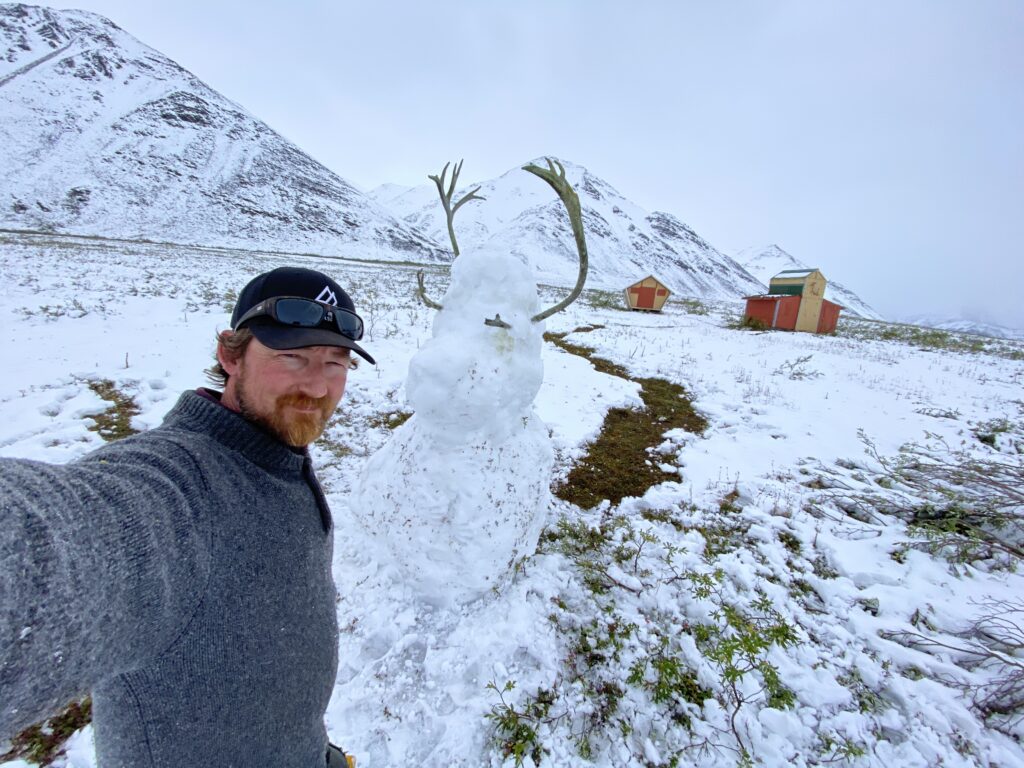
Brooks Range Voices: Robert Olsen-Drye

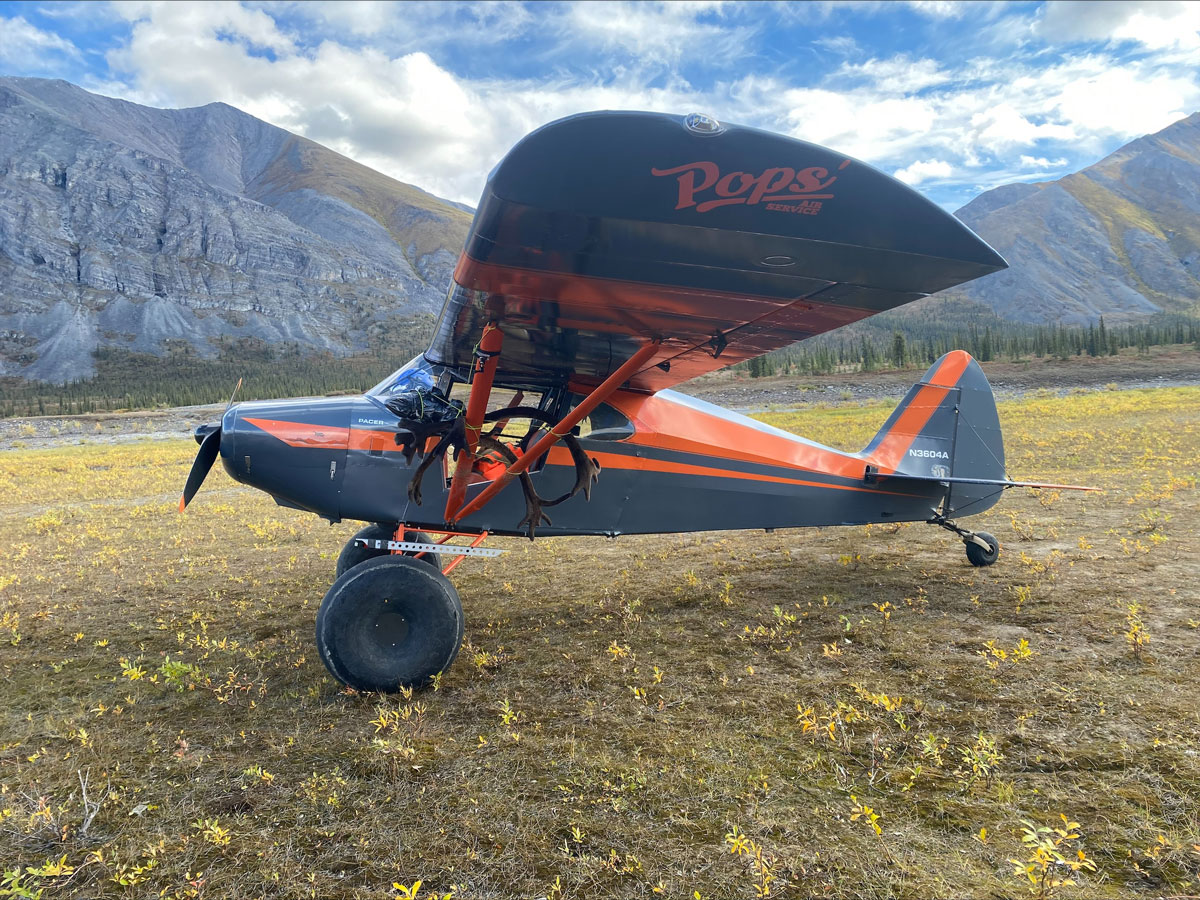
Robert Olsen-Drye is an aircraft mechanic and the owner of Pops’ Air Service in Homer, Alaska. He got his first gig as an aircraft mechanic in Bettles, a small community near the southern edge of the Brooks Range. He spent three summers there, exploring Alaska’s northernmost mountain range by plane, foot, and paddle. Since then, he’s searched high and low but has never found another place like the Brooks Range.  

Olsen-Drye doesn’t normally get fired up about politics. But, when it comes to things like the proposed Ambler Road, he has to get involved. If built, Ambler would be a private 211-mile industrial corridor across the Brooks Range, aimed at supporting the development of an unknown number of foreign-owned, open-pit mines to the detriment of the region’s land, wildlife, and hunter and angler opportunities. 

Here is his story. 

Describe the types of activities you’ve enjoyed in the Brooks Range. 

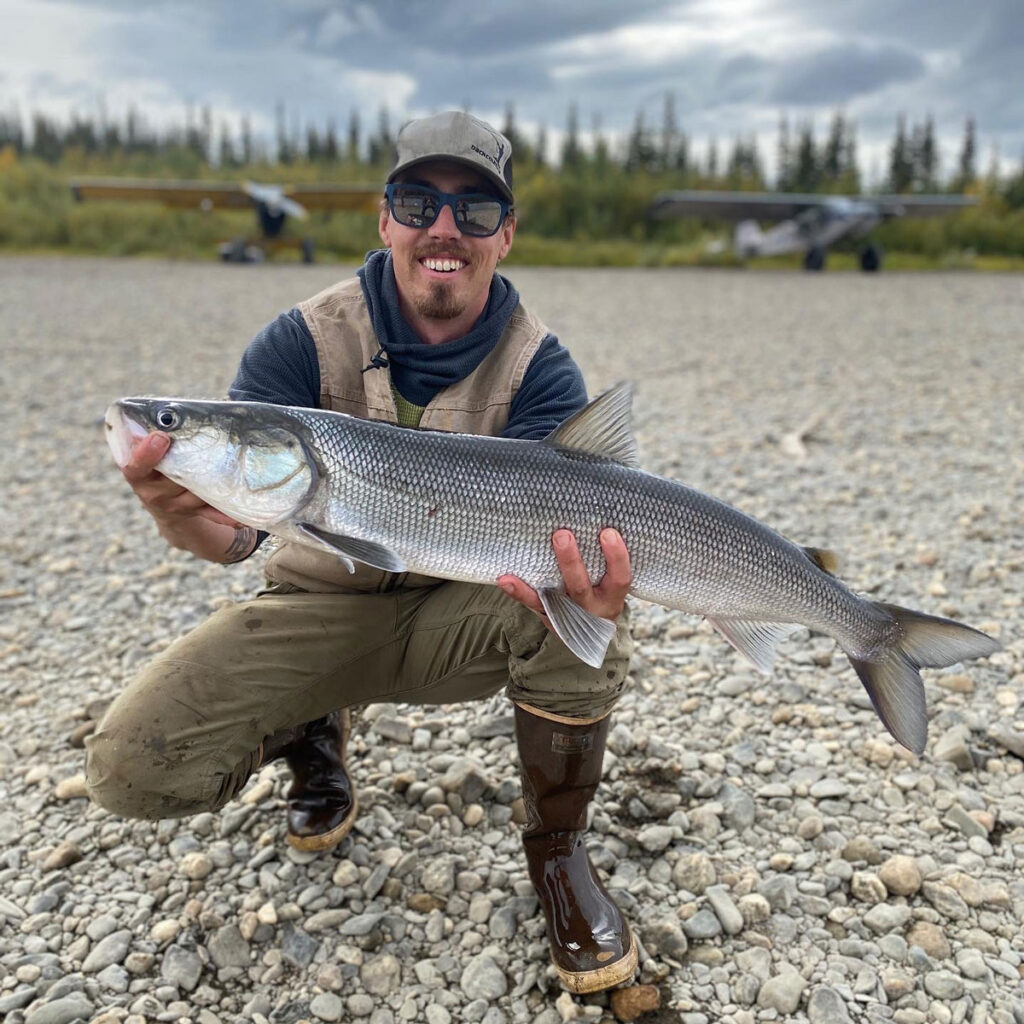
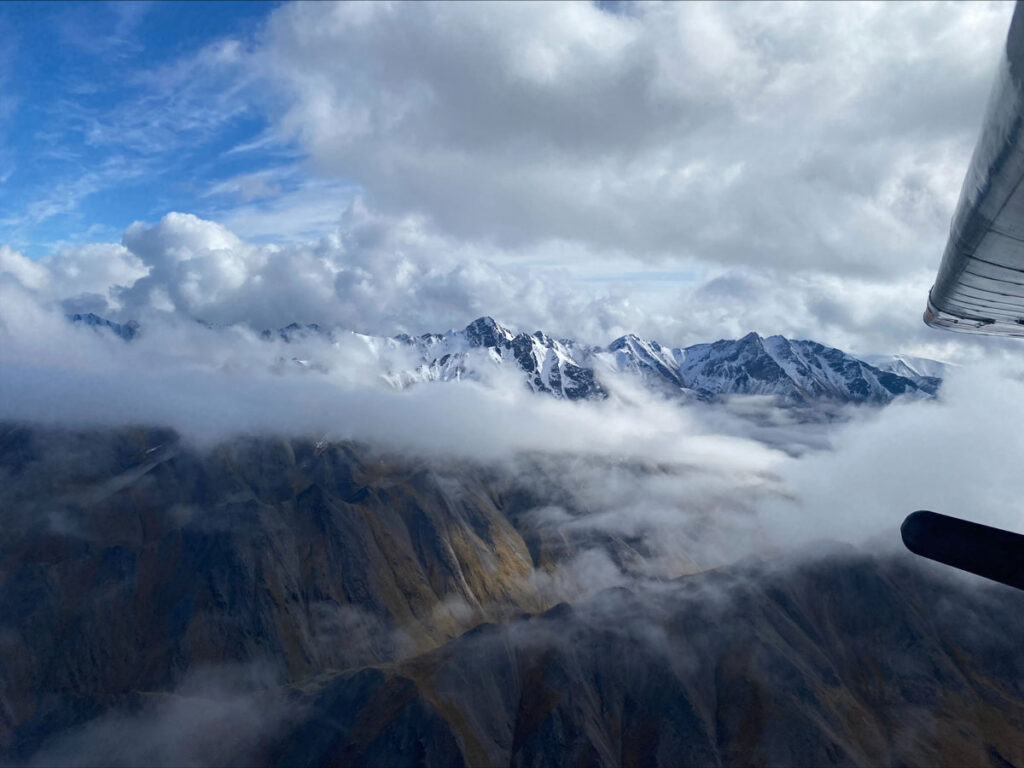
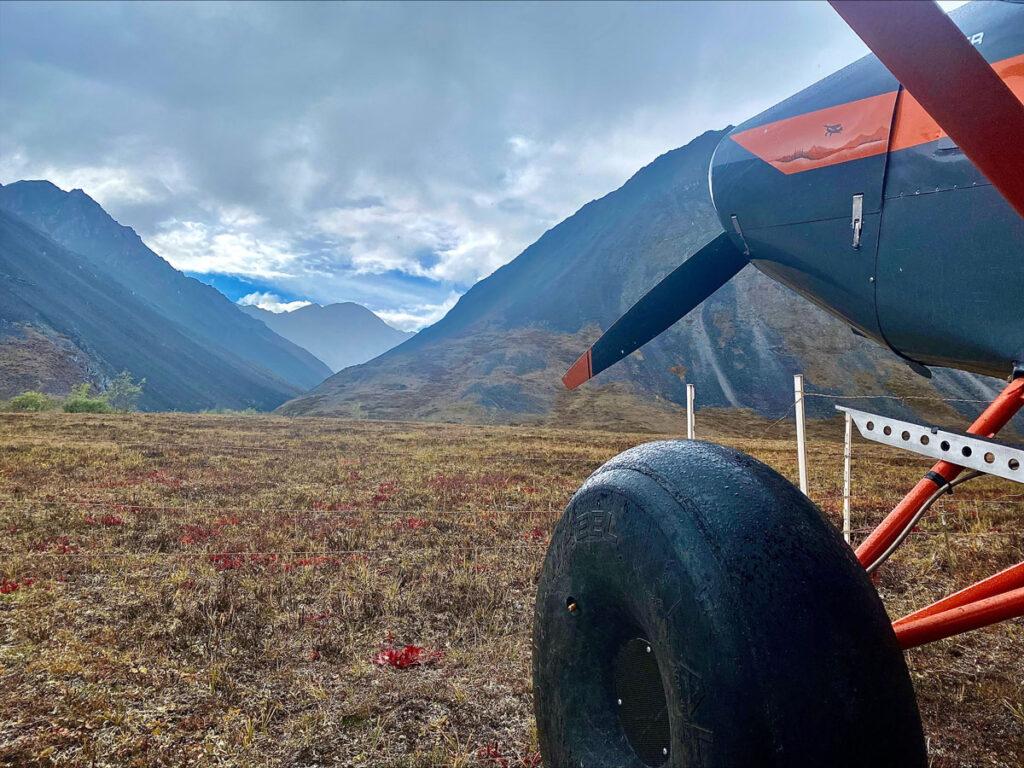
I have flown all over the Brooks Range from as far east as the Sheenjek River to as far west as the Kobuk Sand Dunes. I have landed my airplane on the gravel bars of most rivers flowing from the Brooks Range. I’ve hunted. I’ve floated rivers. I try to get up there every year for an adventure. 

Share a memory that stands out to you. 

I was dropped by a floatplane on a lake on the western edge of the Brooks Range for a solo caribou hunt. During the more than a week I was out, I encountered fox, muskox, wolf, brown bear, and caribou. It was really enjoyable to experience nature, wildlife, and solitude. There’s something about being in that sort of solitude that really makes for lasting memories.  

If you could come back, what would you love to do there next? 

I would love to reattempt a sheep hunt. Or maybe a month-long raft trip.  

A road through that wilderness would change everything. I like to see and hunt animals doing their natural thing. A big road with heavy equipment passing, with culverts and bridges, power stations and porta potties will 100% change wildlife behavior.  It will alter water drainage and change the vegetation. There is no coming back if the Ambler Road is pushed through.

Robert Olsen-Drye

Think of your first trip to the Brooks – what was different than you expected? 

My first trip to the Brooks consisted of flying my airplane to a remote village of 12 people to work as an aircraft mechanic for the summer. I didn’t know a single person and had never been that far north in my life. The village took me in and, since then, have become my lifelong friends. The Brooks Range will always be my home away from home.  

What is most special about this place? 

The wilderness. The vastness. The way the mountains seem to look at you with a mysterious eye. It’s raw. It’s more than most can handle. More than some can comprehend. The Brooks Range is definitely more than words can describe.  

Share at least one piece of essential gear you’d recommend packing or advice you’d share with someone going to the Brooks for the first time. 

Get an inReach. There is zero reason to not have a communication device in case of emergency. The Brooks Range is a wild place, and you cannot expect your trip to go as you planned.  

How do you think your experience in the Brooks would change if the Ambler Road was built? What do hunters and anglers stand to lose? 

A road through that wilderness would change everything. I like to see and hunt animals doing their natural thing. A big road with heavy equipment passing, with culverts and bridges, power stations and porta potties will 100% change wildlife behavior.  It will alter water drainage and change the vegetation. There is no coming back if the Ambler Road is pushed through.  

What aspect of the proposed Ambler Road project concerns you most? 

Once lost, we cannot “create” more wilderness. Every time we insert ourselves into nature we change it. If a person walks through the woods one time, we change it in the slightest bit like causing an animal to avoid the moss we stepped on. But to build this road through the Brooks—there will be massive machines blasting over it day and night. It will greatly affect the wilderness for the worse.  

What might you say to someone who said, “I don’t understand why this road is such a big threat?” 

 A road through one of the wildest places in the world is the worst idea possible.  It would completely change the experience of venturing to the Brooks Range for the remoteness.  

Why is it important that hunters and anglers across the nation speak up against the proposed Ambler Road? 

The corporations pushing the Ambler Road project have no shortage of money. It’s going to take all of us to keep them from bullying their way through this. It’s our duty as conservationists to speak up for our public lands and wild places. 

Photo credit: Robert Olsen-Drye


Sign up for Hunters & Anglers for the Brooks Range updates here.  

The Relationship Between Caribou and Roads 

How the proposed Ambler Road could impact the Western Arctic Caribou Herd 

One of the biggest concerns over the proposed Ambler Road is how it would likely impact the Western Arctic caribou herd. If built, the Alaska Industrial Department and Export Authority (AIDEA) has insisted that the Ambler Road would be a 211-mile private industrial-access only road through the southern flanks of the Brooks Range used to develop an unknown number of foreign owned mines. 

Caribou are incredibly important to locals and visiting hunters, other species of wildlife, and the land. The Bureau of Land Management’s (BLM) Supplemental Environmental Impact Statement identifies 66 communities whose subsistence activities could be potentially impacted by this road, finding that each of the proposed three routes may significantly restrict subsistence uses in nearly half of these communities. 

Some people question if the Ambler Road would really be that bad for caribou and people. They point to the James Dalton Highway, where it’s pretty common to see caribou peacefully grazing nearby. We asked Jim Dau, a retired caribou biologist for the Alaska Department of Fish and Game, to help explain the difference. 

Dau has lived in Kotzebue, in northwest Alaska, since 1988. He was the Alaska Department of Fish and Game area biologist for 15 years and then the Western Arctic caribou herd biologist for 10+ years.  

Dau began looking at the effects roads have on caribou during graduate school at the University of Fairbanks Alaska, with a study running from 1982-1985. He studied caribou from the Central Arctic caribou herd in the Kuparuk River Oil Fields north of the Brooks Range on the arctic coastal plain. He found that during calving season, maternal females avoided roads, buildings, and other industrial footprints. A month later, under extreme duress from mosquitoes, warble flies and bot flies, caribou would form large aggregations and negotiate roads – even standing in the shade of buildings – to seek relief from these insects in coastal insect relief habitat. Once cool temperatures or high winds reduced insect harassment, roads, traffic and other industrial infrastructure again interfered with caribou movements as they attempted to travel from insect relief habitat to better feeding areas inland. 

A 2024 study shows that road traffic on the North Slope disrupts caribou more than previously believed. Heather Johnson, a U.S. Geological Survey biologist who coauthored the study was quoted in the Alaska Public Media.   

“Caribou are really sensitive,” Johnson said. “They’re really sensitive to human activity. And we’ve seen from past studies that they’re also sensitive to human infrastructure, and they really respond to it. The key takeaway from the paper is they’re more sensitive to road activity than we had previously recognized.”  

Dau points out that Alaska has decades of experience showing that caribou can survive roads. But herds that have roads through their range tend to be significantly smaller than herds in roadless areas, such as the Western Arctic caribou herd. Most caribou herds near roads have been intensively managed, often allowing a hunter bag limit of only one caribou—usually a bull with a permit requirement— during a short open season each year.  

“Roads can be terrible barriers to caribou, especially when there’s hunting off them or if there’s lots of traffic and other human activities on or along them,” Dau says. 

The projected peak daily traffic for the proposed Ambler Road is 168 trips. However, this may be a conservative estimate.  

The Western Arctic caribou herd’s range 

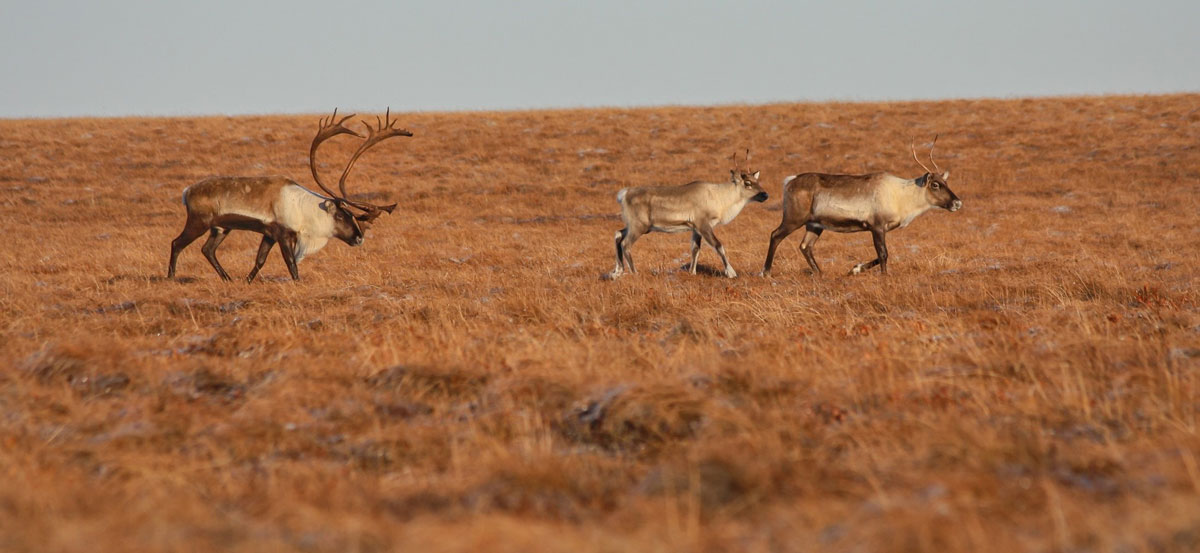
The Western Arctic caribou herd’s range encompasses around 140,000 square miles of northwest Alaska. Caribou from this herd have wintered as far south as the southern extent of the Nulato Hills west of the lower Yukon River. They calve in the early summer in the northern foothills of the Brooks Range. Dau points out that caribou from the Western Arctic herd have one of the longest migrations of any terrestrial mammal. Some people say caribou don’t know where they are going or travel by instinct, but Dau’s experience suggests otherwise. 

“For caribou managers, one of the biggest challenges is giving caribou options for places to go. In any one year, caribou rarely use their entire range. But over the course of decades, they’re going to use—and need—every square inch of it.”

Jim Dau

“I don’t buy that at all,” Dau says. “These animals know movement areas where they’ve gone in the past; plus, they follow deeply embedded trails throughout their range. One of the remarkable things about this caribou herd is the long-term stability it has exhibited in its overall decadal movement pattern combined with shorter term annual and seasonal variability in movements and distribution. In some years, caribou begin moving toward specific portions of their winter range before the first snowflake ever falls.”  

There are different variables in how caribou use their range. Caribou show their most fidelity to calving areas, and their least fidelity to winter range. Every 10 to 15 years, Dau has seen shifts in the Western Arctic herd’s winter range.  

“Caribou need their entire range,” Dau says. “For caribou managers, one of the biggest challenges is giving caribou options for places to go. In any one year, caribou rarely use their entire range. But over the course of decades, they’re going to use—and need—every square inch of it.”  

Differences Between the James Dalton Highway and the Proposed Ambler Road 

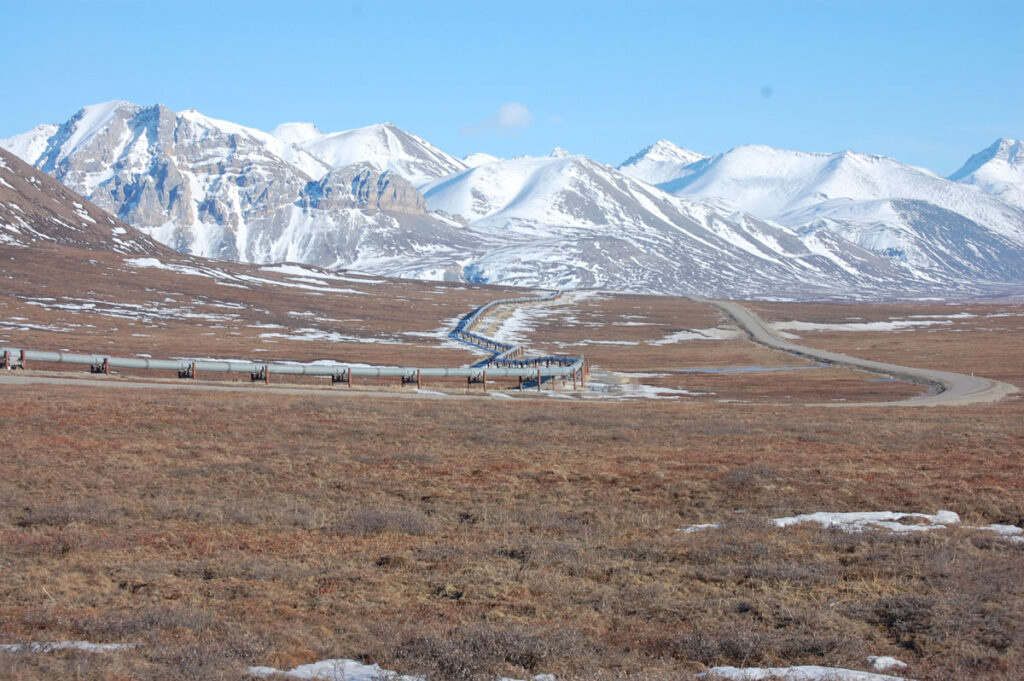
One prominent difference between the two roads is that the Dalton is a north-south corridor. The Central Arctic caribou herd’s summer-winter migration pattern runs north-south as well. The proposed Ambler Road would run 211-miles east-west, which would bisect much of the Western Arctic caribou herd’s winter range. If caribou from this herd successfully cross the proposed Ambler Road during the fall migration, they would have to cross it again to migrate north during the spring migration. This, Dau and many others believe, could have serious consequences not just for caribou but also for the people that depend on them. 

BLM’s Supplemental Environmental Impact Statement states that the Ambler Road would affect migrating caribou in “an expansive area beyond the specific project area. Changes in availability of caribou to subsistence users could be a high-magnitude impact for impacted communities. Population-level effects to caribou are less likely but could be large-magnitude effects and impact all subsistence harvesters throughout the annual range of the herd.” 

Dau believes we have a good model of how the Ambler Road would affect the Western Arctic herd and local and visiting hunters. It comes from looking at how caribou have responded to the Red Dog Mine road in northwest Alaska.  

Red Dog Mine Road Study 

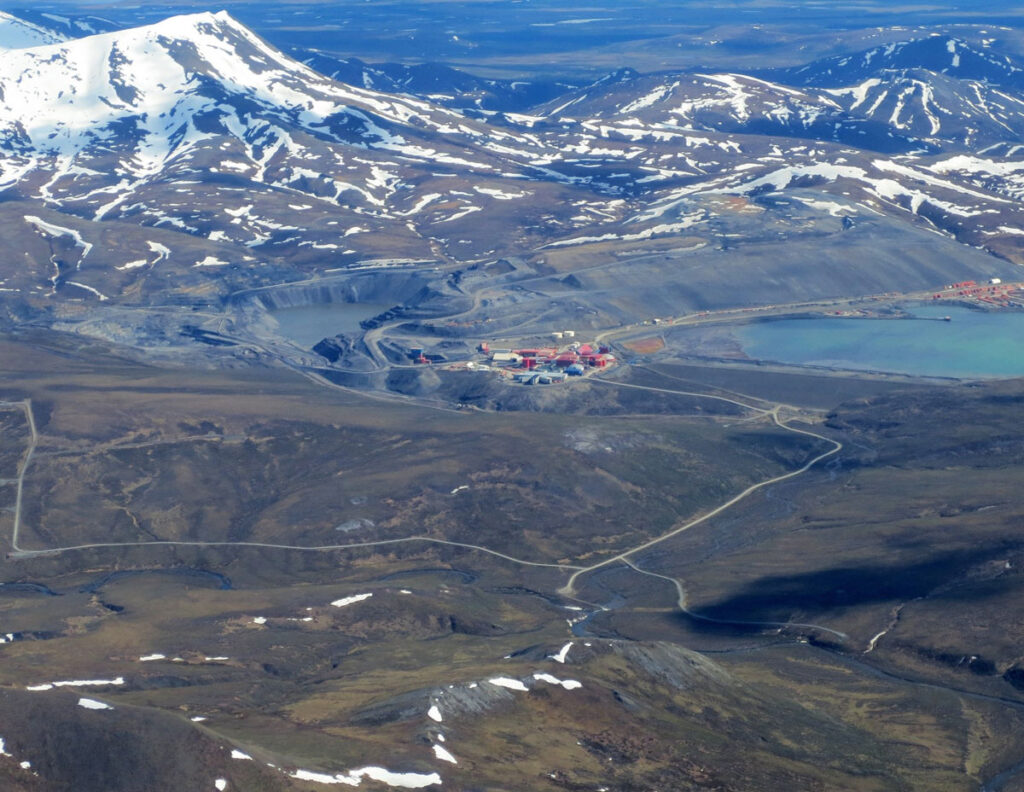
The Red Dog Mine has the world’s largest known zinc deposit and is located 80 miles north of Kotzebue, near the western extent of the Brooks Range. The mine’s road is used to haul ore 52 miles across the Western Arctic caribou herd’s range to a port 10 miles southeast of the village of Kivalina. The Red Dog Mine road is much smaller than the Ambler Road would be and is currently the only industrial mining road in Northwest Alaska of a remotely similar scale. 

Dau looked at how the Red Dog Mine road affected caribou movements from the middle of August through November during 1990-2015. In many years, a significant portion of the Western Arctic caribou herd encountered the road during their fall migration to their wintering grounds. Before Dau plotted the data of satellite collared caribou, he thought they weren’t having much difficulty crossing the road based on aerial reconnaissance flights of the road during fall. The data showed otherwise. 

“I was shocked. I couldn’t believe it,” Dau says. “The telemetry data clearly showed that caribou approached the road but were usually delayed before crossing it. It often took multiple attempts for delayed caribou to finally cross it. During the fall 2011 migration, on average it took caribou 33 days before they crossed; however, some caribou were delayed up to two months before they crossed the road. Some caribou backtracked up to a hundred straight-line miles while delayed by the road. Of course, caribou rarely travel via straight lines. Many caribou that were delayed by the road traveled several hundred miles during their attempts to cross it. Some caribou never crossed the road. Instead, they wintered north-northeast of it, or they went around it to the east.”  

Dau estimated that during the fall 2011 migration, roughly 80,000 caribou were delayed by the road. He found the Red Dog Road affected caribou up to 30 miles away—animals were probably responding to other caribou who’d already bounced off the road. After the caribou finally crossed the road, they put on extra speed to make up for lost time and get to their wintering grounds.  

Dau notes that the Red Dog road has negatively impacted hunters. Many villages used to count on at least two months to obtain caribou meat during fall. During years when caribou were delayed by the road, some communities downstream of Red Dog in the fall migration had substantially less than that, and caribou weren’t available until after the onset of rut caused subsistence hunters to shift from taking bulls to harvesting cows. The decline in caribou and hunting opportunities has led to controversial non-local caribou hunting closures on federal land.  

The Western Arctic Caribou peaked at 490,000 caribou around 2003. Since then, it has steadily declined and, in 2023, the Alaska Department of Fish and Game reported it numbered 152,000 caribou. Like all wildlife populations, caribou numbers naturally fluctuate up and down. No one fully understands what is driving this current decline, but Dau thinks that warming temperatures are likely a major contributing factor.  

“Winter icing events in northwest Alaska have become more frequent and severe since around 2000, and my observations during caribou surveys and while retrieving radio collars from hundreds of caribou carcasses suggested that these events were deadly,” Dau says. “There is never a good time to fragment caribou ranges, but this is a particularly bad time to do so given that climatologists predict that temperatures are going to continue to rise for decades to come, and considering the persistence and degree of this ongoing caribou decline.” 

A Valid Concern 

Since it went into production, the 52-mile-long Red Dog Road has supported about 80 trips/day by large ore trucks, with additional small-vehicle traffic and road maintenance equipment. Red Dog is the sole industrial mine that uses this road. In contrast, AIDEA has reported that the 211-mile-long Ambler Road will support multiple mines in the Ambler Mining District, and said that communities near the project will be able to connect to this road for commercial deliveries of goods and services. However, AIDEA has provided very little information regarding the maximum number of mines, their size, or the type that the Ambler Road will facilitate. BLM’s Supplemental EIS report for the Ambler Road assumed that this road would support four mines – one for each major mineral deposit – in the Ambler Mining District. This assumption is by no means a binding limitation on the maximum number of mines or level of mining activity in the Ambler Mining District, though. Thus, throughout the original EIS and subsequent Supplemental EIS processes, agencies and the public could only consider potential impacts of the proposed road on the land, wildlife, and people: impacts of a large and possibly ever-expanding industrial mining complex have been ignored. 

The only infrastructure along the Red Dog Road is a modest port site located at the coast. The proposed Ambler Road will have multiple buildings, several airports, numerous gravel sites, many large bridges, and other infrastructure located along its length. Given these differences, the Ambler Road will have significantly higher levels of vehicular traffic and other human activity than the Red Dog Road. This will greatly increase the Ambler Road’s potential to delay and deflect caribou movements and magnify its impacts on other fish and wildlife in the project area. 

You don’t have to be a biologist to predict that, if built, the Ambler Road would negatively affect the Western Arctic caribou herd. Dau thinks the Ambler Road will have effects similar to the Red Dog Mine road–except at a much larger scale. The project would change the biological and social character of northwest Alaska to the detriment of subsistence users and visiting hunters and anglers.  

Caribou, Dau points out, are incredibly important to northwest Alaska. For visitors, a Western Arctic caribou hunt can be a trip of a lifetime. To local people, caribou provide their most important sources of terrestrial meat. 

“But it goes beyond that,” Dau says. “Caribou are part and parcel of indigenous subsistence cultures. I cannot overemphasize the importance of caribou to people.”

Photo credit: Jim Dau and Bjorn Dihle


Sign up for Hunters & Anglers for the Brooks Range updates here.