Nine Days on the Kobuk: A Journey into the Heart of the Brooks Range
Chelsea Pardo, TRCP’s Alaska senior program manager, traveled to the southern slopes of the Brooks Range to experience the remote qualities of this landscape for herself
Flexibility is a required trait for backcountry trips and ours was no different. In a land as wild and remote as the Brooks Range, you don’t dictate your day, the weather and country make the schedule.
Our plans changed even before the 1953 Beaver touched down. Instead of landing on Lake Minakoska as originally intended, we diverted to a gravel bar along the Kobuk River. While this meant we could get to good fishing sooner, I was excited to land on the lake. Our 90-mile float trip down the river would end at the village of Kobuk, but that was days away and ahead of us the Brooks Range stretched rugged, remote, and wild. There were no roads. No buildings. No cell service. Mountains, braided rivers, and the quiet promise of adventure awaited.
It was hard to imagine that this is the same place where the proposed Ambler Industrial Road would pass through. The 211-mile corridor would cross nearly 3,000 rivers and streams slicing through the southern foothills of the Brooks Range. Built not for public access or American industries, but to serve foreign-owned mining operations, the road poses a direct threat to everything this place represents for those of us who hunt and fish here.
Wolf Tracks and Grayling
Lucky for us, after the plane was unloaded, James — TRCP’s digital marketing manager from Missoula, Montana—and I wandered upriver in search of fish, while veteran guide Greg Halbach made camp. We were on this trip because of Halbach’s generosity and love for this river, its fish, and the landscape. A champion of the Brooks Range, Halbach founded Remote Waters, a custom Alaska outfitter with a mission to take people deeper into the wild where life moves with the rhythms of water, weather, and wildness, rather than itineraries and lodges.
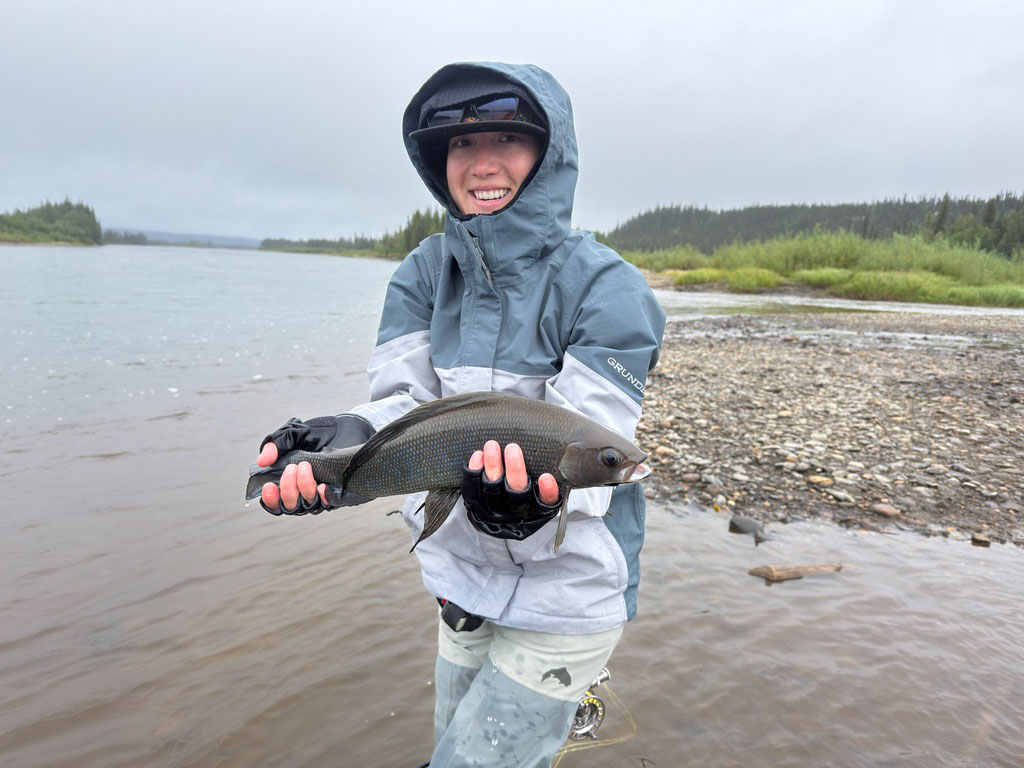
That first evening, we found a perfect hole and landed over a dozen Arctic grayling. I even hooked into a chum salmon on my 5-weight rod, an unexpected battle that ended in relief when the rod held and the salmon surrendered in the shallows.
The gravel bar was littered with grizzly, wolf, and moose tracks, the silent evidence of all the creatures that we had yet to see. We lit a fire and ate a hot meal of rice and grayling, a small luxury. I felt deeply grateful to be there, with good company, in a place as remote and wild as any left in the country.
Rain, Miles, and a Break in the Clouds
The next morning greeted us with steady rain, a theme that would repeat itself throughout the trip. We floated about twelve miles through squalls and caught more grayling, some pushing sixteen inches. That evening, the cold had started to creep into our bones, and with layers soaked through, we were thankful for the shelter of the tepee tent at camp.
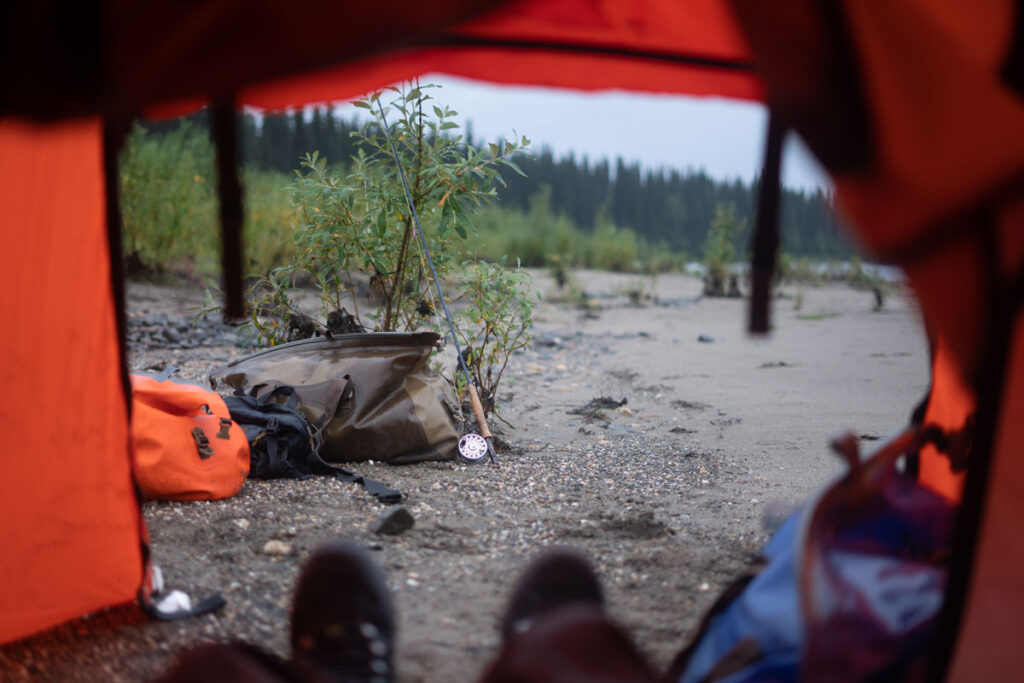
By day three, everything was damp. Gear, clothes, even our spirits were starting to grow soggy. But the weather began to lift as we floated. When we reached a spot Greg knew held northern pike, the trip took an exciting swing.
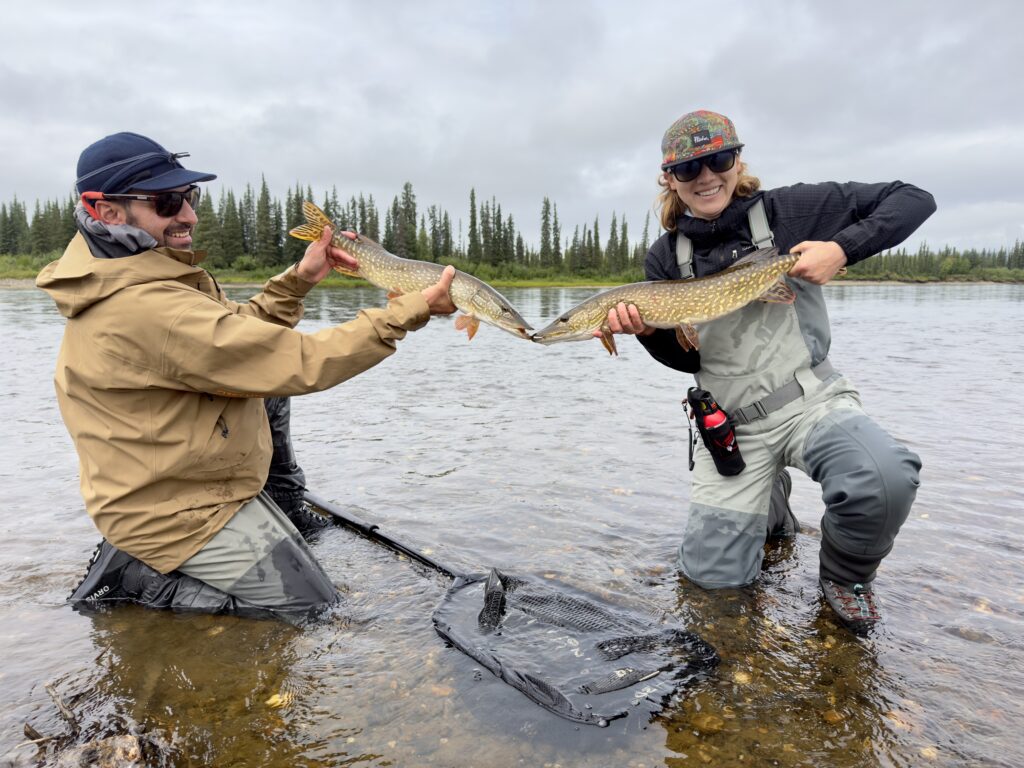
The pike were on fire. Casting streamers and mouse patterns, we watched these toothy torpedoes explode from the water, aggressively hammering our flies. At one point, James and I even pulled a double with these toothy predators.
We landed dozens and kept a 27-incher for dinner. Greg filleted it right on the bank, revealing bright orange flesh, and cooked it into a hearty chowder. That afternoon, the sun came out, the first real warmth of the trip. We dried gear, explored the gravel bar, and found a trophy moose shed on a walk.
Sheefish and the Heart of the Kobuk
The next few days settled into the simple pattern of float, fish, camp, repeat. The pike fishing remained excellent, and James caught the biggest of the trip so far at 28 inches. We continued to add more grayling to the tally. I had a mystery hookup early one morning that snapped off quickly. Maybe a sheefish? Maybe a chum? Either way it added to the anticipation of what lay ahead.
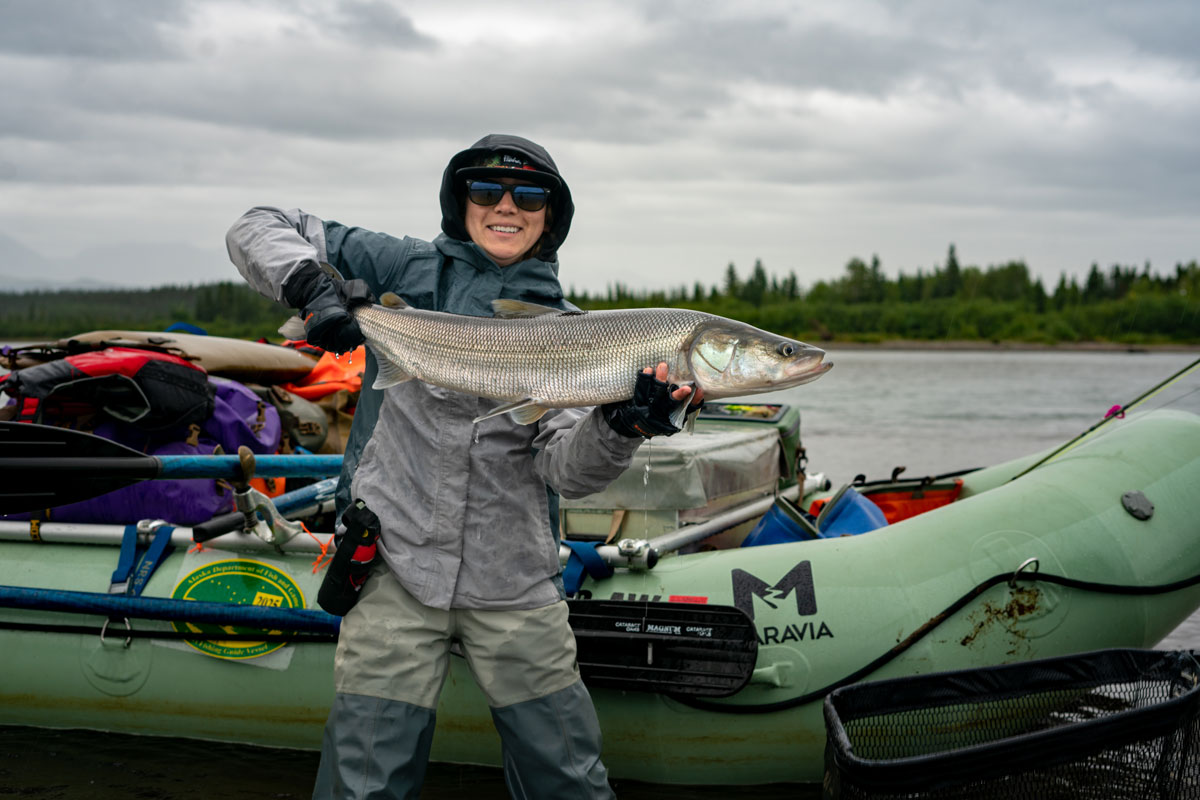
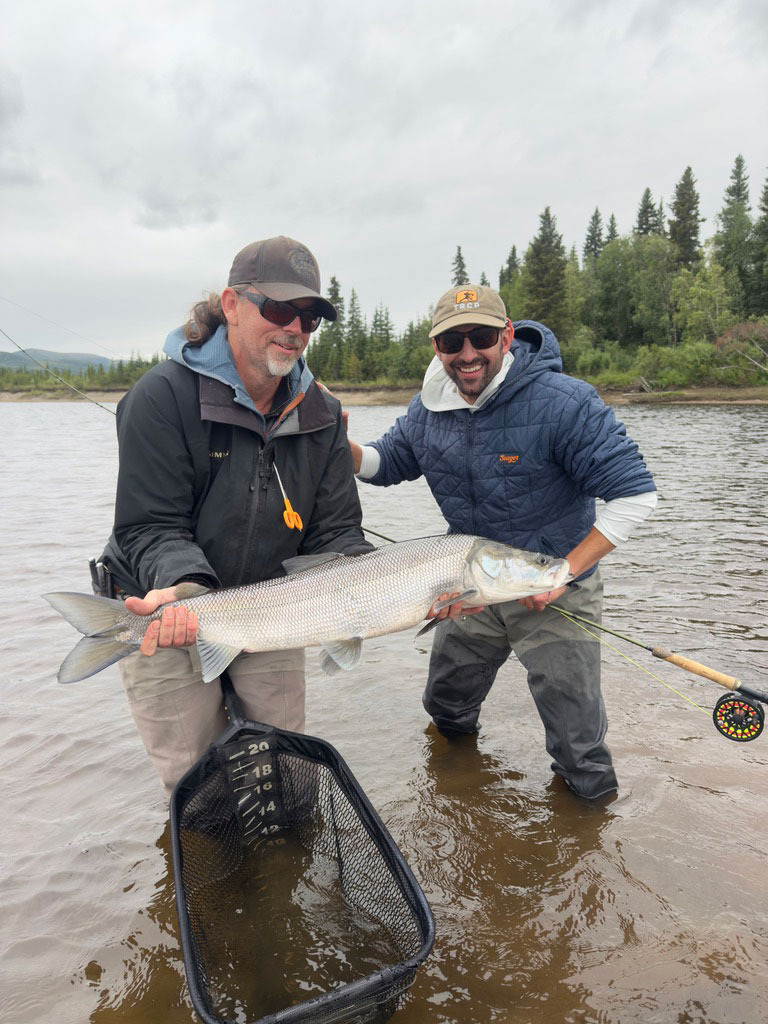
On day five, the wind picked up, pushing us downstream with force toward the confluence of the Pah and Kobuk Rivers. And I’m glad it did. As soon as we hit the seam, James hooked into his first sheefish. The“tarpon of the north” leapt and dove, pulled and ran in an incredible fight. When Halbach finally tailed the fish, I saw the reverence he had for this species and this place. I wanted to catch one.
By the end of the day, we’d landed eight, including a 40-incher I brought in from the boat. The rain returned that evening as we scrambled to pitch the tepee and camped near the confluence, eager to fish it again.
And fish it we did. The next morning brought a short reprieve from the rain, and the sheefish were still there: big, aggressive, and thrilling to catch. James and I even managed a double. We ended the day with twelve landed sheefish, plus a few more pike and grayling.
Gates of the Arctic
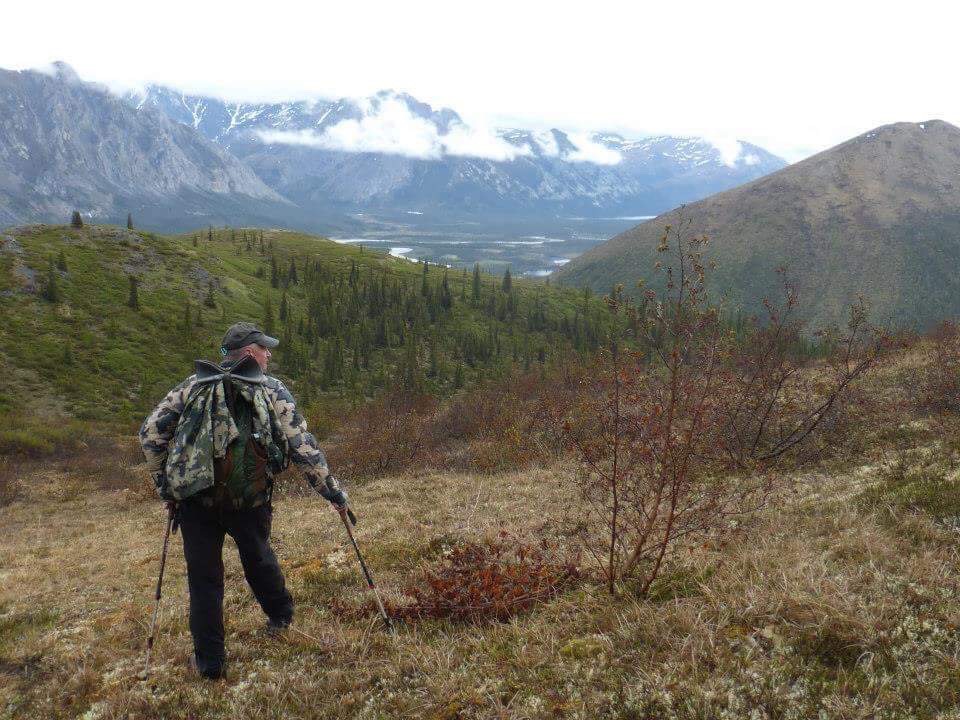
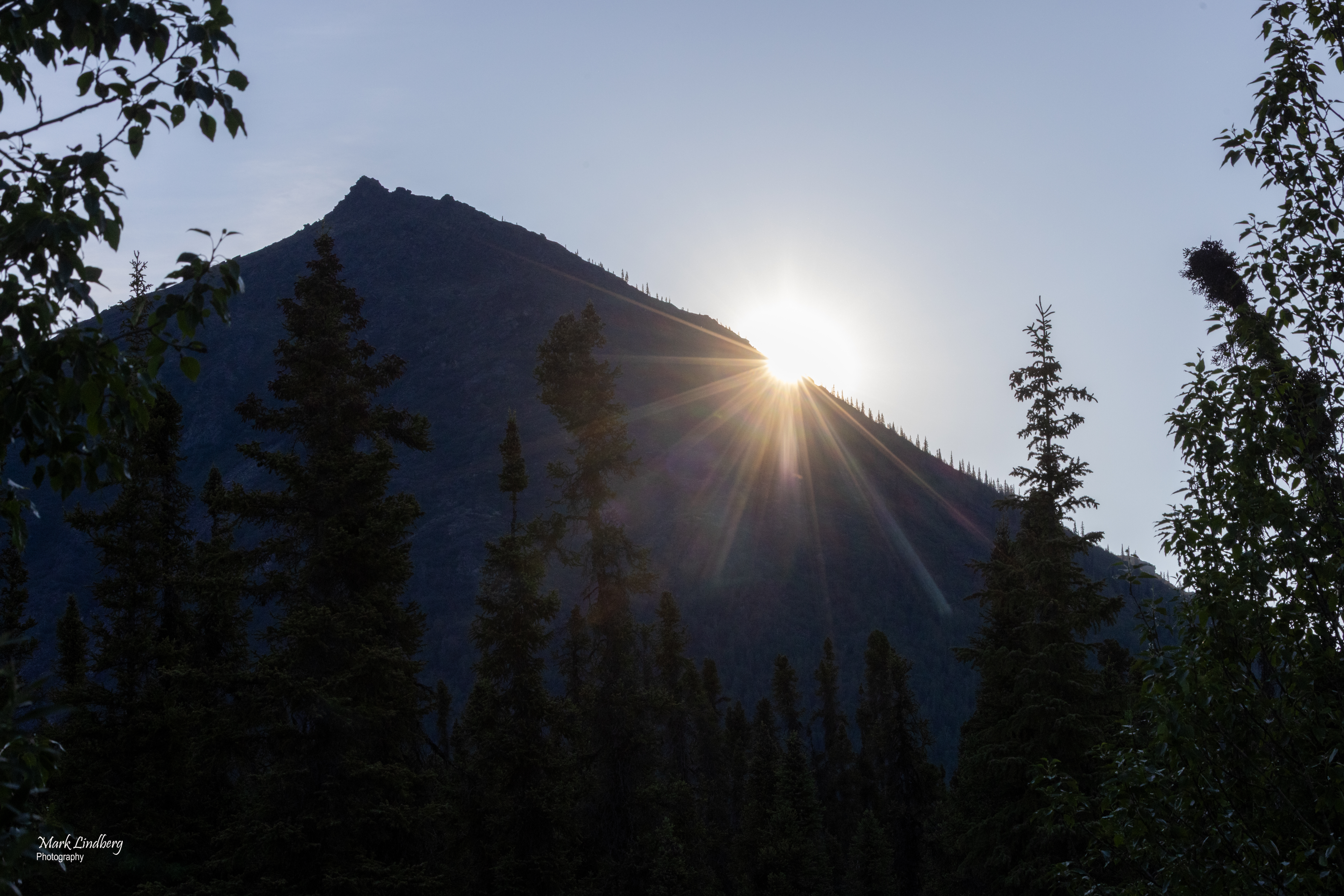
Floating the Kobuk, it struck me just how wild this place is. For days we saw no one, only the tracks of wolves, the occasional moose, and the endless sweep of the river braiding through valleys. The Kobuk Valley sits on the western edge of the Gates of the Arctic National Park and Preserve, the northernmost national park in the country and one of the most remote. There are no roads into the park, no established trails, just wild country where caribou migrate by the thousands, the waters are full of fish that have never seen a hook, and where you can go days without hearing another human sound.
That remoteness was the essence of our float trip. Each river bend revealed new gravel bars to explore, fresh tracks to puzzle over, and another chance to cast a fly into water that likely hadn’t been fished all season. The farther we floated, the more I understood how rare it is to experience this kind of solitude in the modern world and how much would be lost if an industrial road corridor were ever punched through this landscape.
Arrival in Kobuk Village
By day nine, the river had widened and slowed as we neared Kobuk Village. Skiffs lined the shore and fish dried on racks. At the airstrip, kids chased each other across the gravel while adults stood chatting. More than 40 Alaska Native communities depend on this region for subsistence fishing for sheefish and salmon, hunting caribou, and gathering plants in the same way their ancestors did.
The proposed Ambler Industrial Road would put these opportunities and traditions at risk. The industrial traffic, airstrips, spur roads, dust, light pollution, noise, and the danger of toxic spills would fragment and degrade habitat. Caribou migration routes would be disrupted. Subsistence hunters would have to travel farther and spend more money to put food on the table.
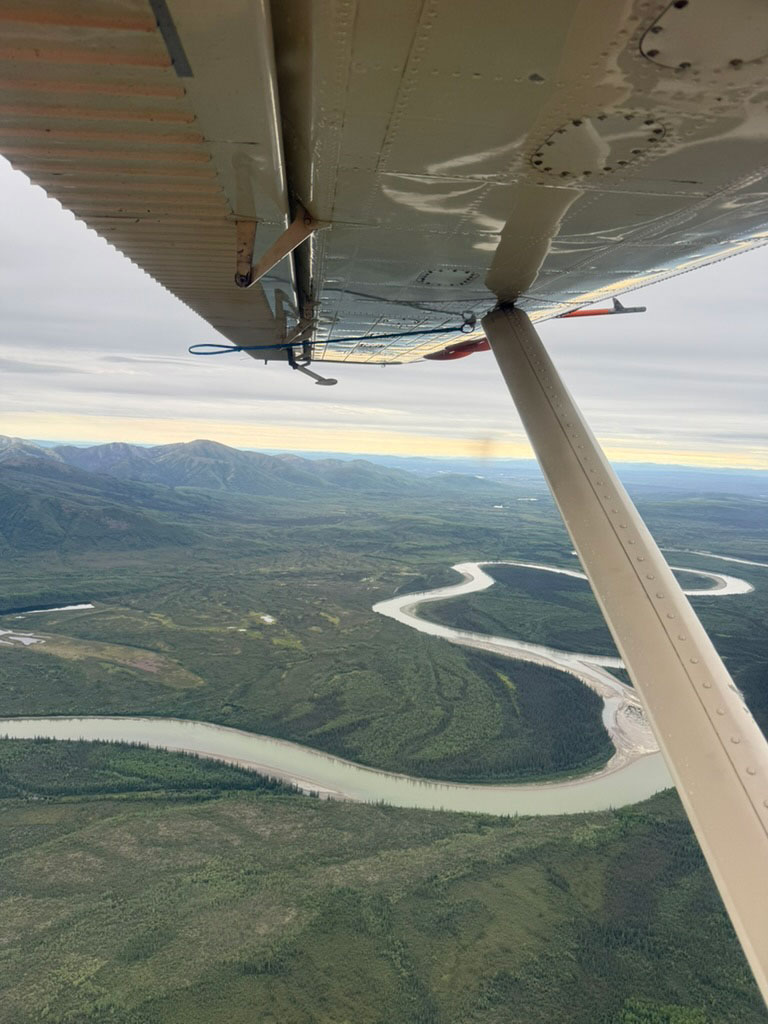
When our Arctic Air flight lifted off, we traced the river backwards from above like a silver thread winding through green. We passed Walker Lake and the wild sweep of Gates of the Arctic. From the air, we marveled at the unbroken country, one of the last intact mountain landscapes left on Earth. It was impossible not to feel how much was at stake.
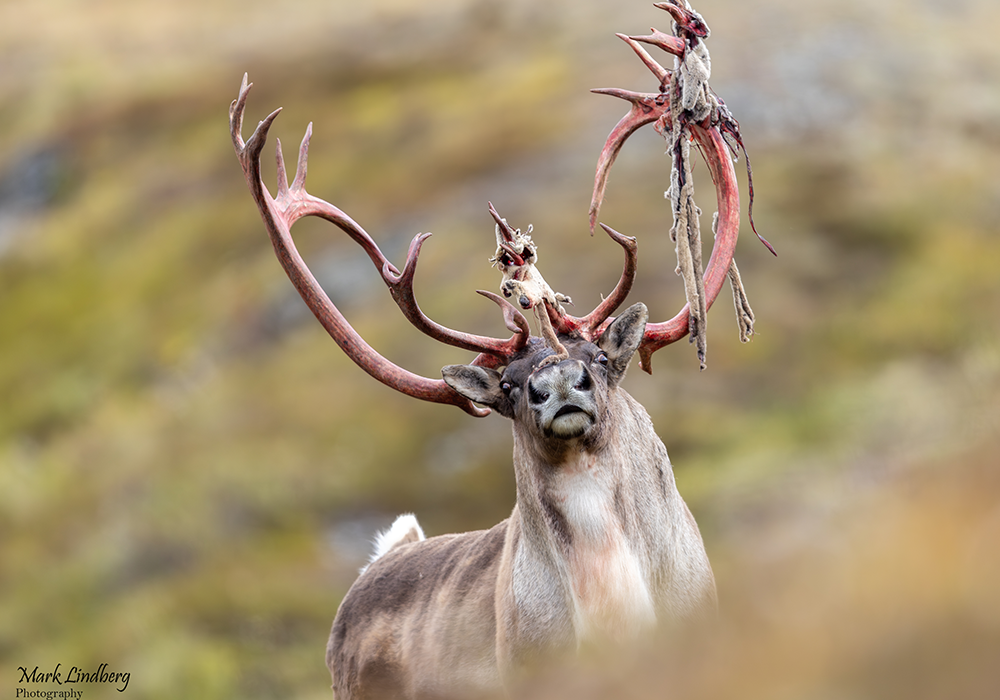
The Brooks Range is one of the most remote, wild landscapes left in America, a place where entire watersheds remain intact and wildlife still follows ancient migration routes. Here, rivers like the Kobuk run clear and cold, supporting sheefish found almost nowhere else on planet, along with salmon, grayling, and northern pike. The valley is crucial habitat for the Western Arctic Caribou Herd, which still migrates hundreds of miles from the coastal plain in the north to the boreal forest in the south, a journey that has shaped this region’s ecosystem and culture for thousands of years.
On top of all of this, there is something harder to measure that would also be lost if the Ambler Road is built. The silence, the remoteness, the feeling of floating through a place where the modern world hasn’t yet left its mark, would be gone forever.