Unanswered Questions Remain About the Ambler Road Project
Unanswered Questions Remain About the Ambler Road Project
As summer arrives in Alaska, hunters, anglers, guides, pilots, and other outdoor businesses are preparing for another busy season in the Brooks Range.
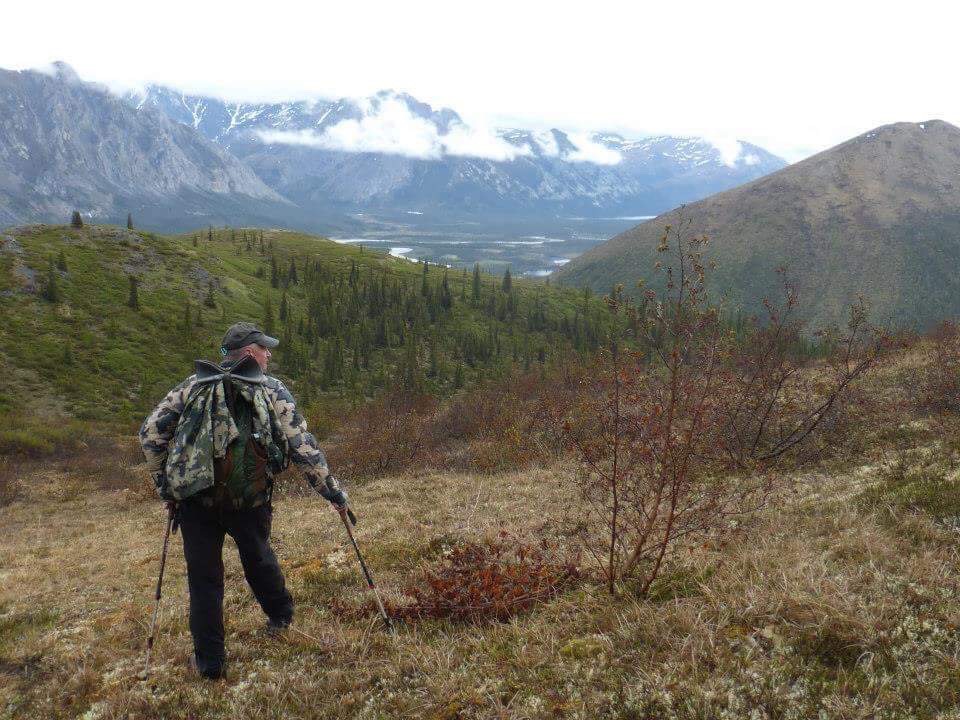
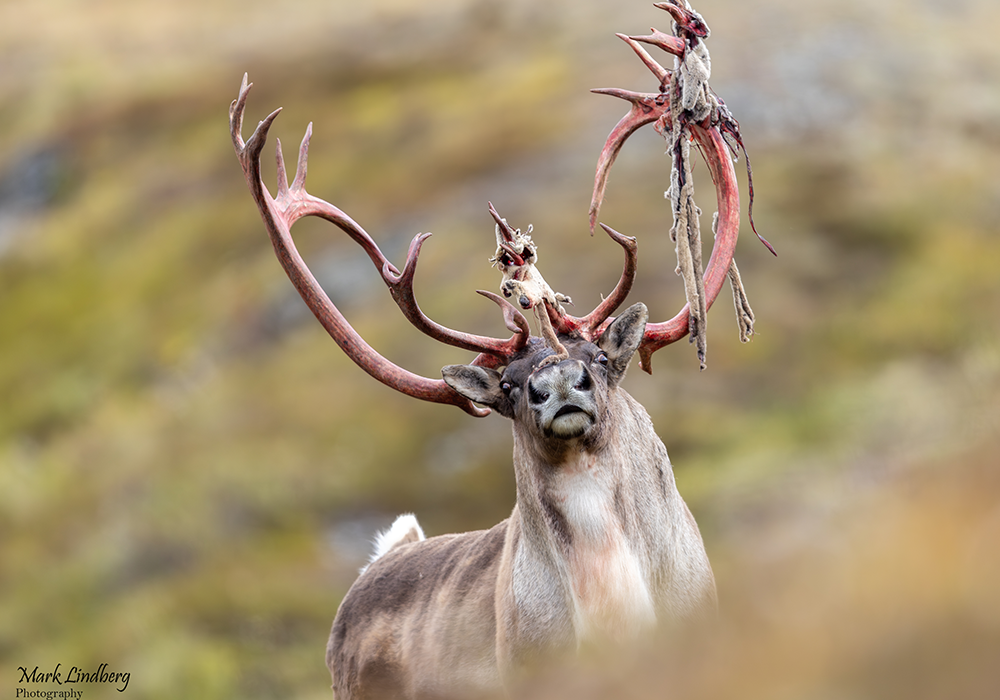
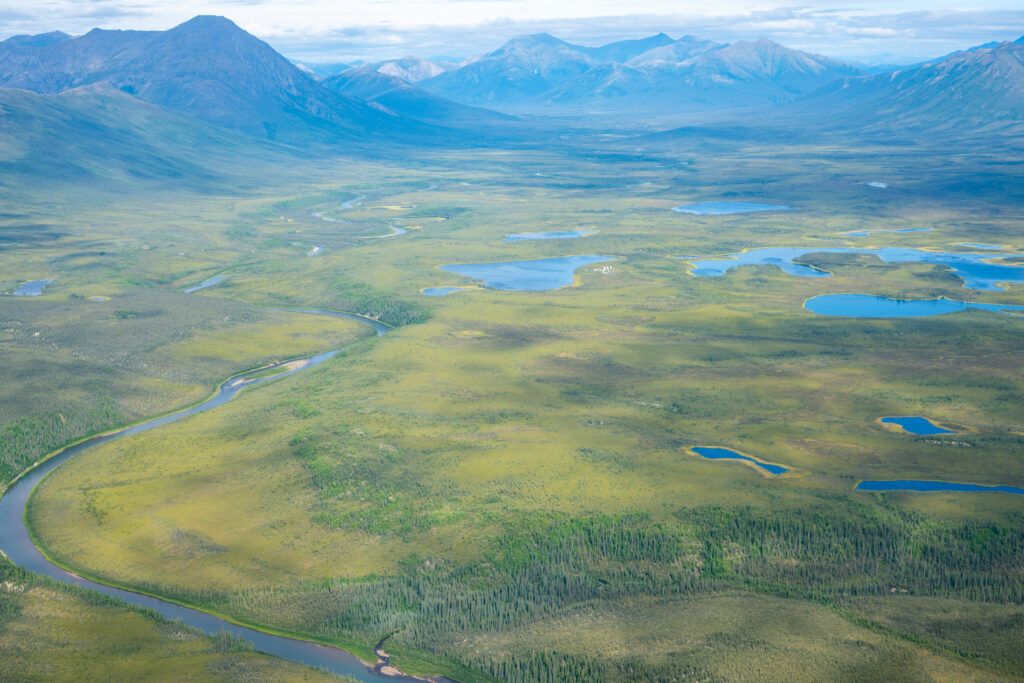
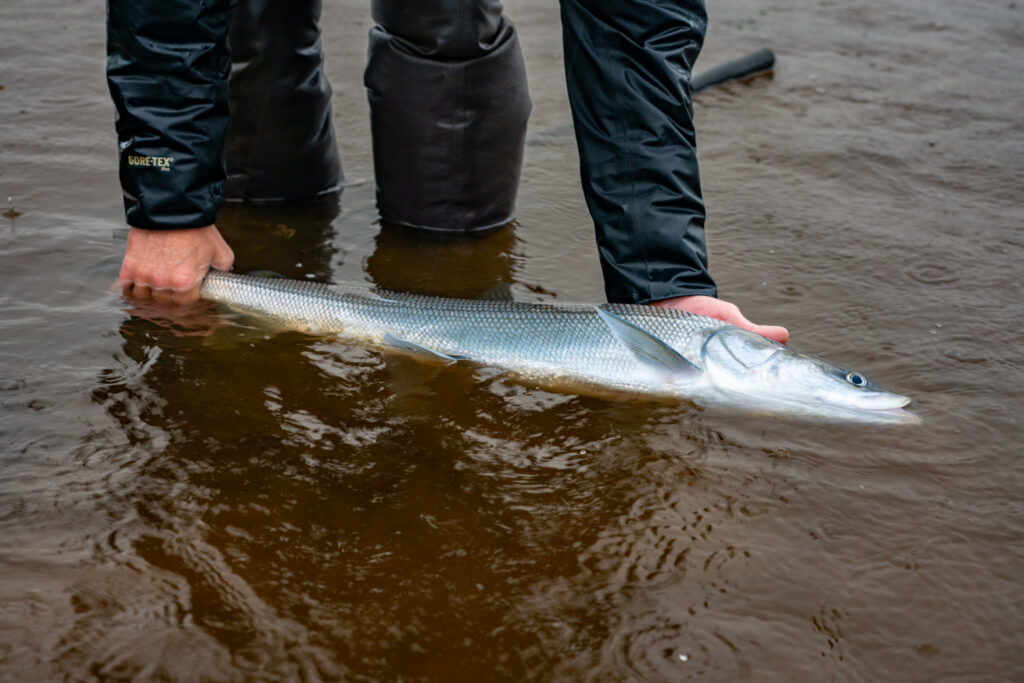
Floatplanes will soon lift off from gravel runways carrying anglers to remote rivers in search of sheefish, Dolly Varden, grayling, and salmon. Hunters are making final preparations for fall adventures across the tundra and mountains. Guides will open camps, air taxis will shuttle clients into the backcountry, and rural communities will once again welcome visitors drawn to the unmatched hunting and fishing opportunities of the Brooks Range. For generations, this landscape has supported a thriving outdoor economy and world-class hunting and fishing experiences without an industrial road crossing its heart.
Despite decades of debate, fundamental questions about the proposed Ambler Industrial Road remain unanswered. Chief among them is whether the project’s estimated $2 billion cost and its extensive impact on the lands, waters, and wildlife of the Brooks Range can be justified. Supporters often describe the road as a path to economic opportunity in northwest Alaska. But for many Alaskans, the Ambler Industrial Road would do just the opposite. Furthermore, the public and local communities would not have access to the road.
The region supports thousands of jobs, sustains rural economies, and attracts visitors from around the world. This is why more than 100 businesses, organizations, and brands have joined together to support and continue to grow the Hunters & Anglers for the Brooks Range coalition. The Brooks Range is not an empty place waiting to be developed. It is a working landscape that already provides significant economic, cultural, and recreational value.
“Our business relies on the Brooks Range and supports dozens of families in interior Alaska,” says Michael Wald, the owner of Arctic Wild, a family-owned and operated wilderness guiding company. “We’ve been working in the Brooks Range for decades and will be far into the future.”
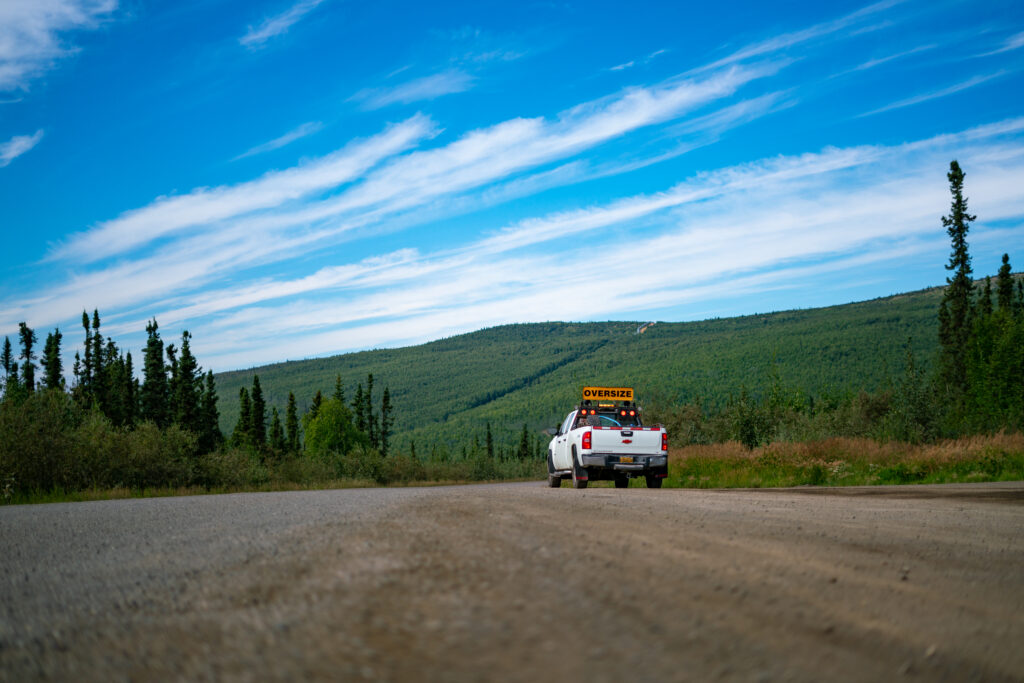
Earlier this spring, we examined the growing price tag associated with the Ambler Industrial Road and argued that Alaska taxpayers should not shoulder the burden of financing a private industrial corridor through one of the world’s greatest hunting and fishing landscapes, especially when the project’s economic viability remains in doubt.
Since then, the conversation has evolved. During a recent convening in Alaska, state and federal leaders emphasized their desire to develop hard rock minerals and discussed efforts to advance resource projects across the state. At the Alaska Sustainable Energy Conference in Anchorage, Trilogy Metals announced that Ambler Mining District projects had been accepted into the federal FAST-41 program, which is intended to expedite permitting for federal mining. Yet, even as federal attention on the proposal increases, significant questions remain about how the proposed Ambler Industrial Road would ultimately be financed, permitted, and built.
Discussions about financing often proceed as if the project is shovel ready for construction. It is not, and in reality, substantial hurdles remain. A completed design plan for the road has not been unveiled, key federal authorizations, including a Clean Water Act Section 404 permit, remain unresolved, and ongoing litigation could upend decisions that were already made. Before Alaskans are asked to assume financial risk for the road, there should be transparency about exactly what would be built, how much it would cost, and who would ultimately be responsible for paying the bill.
It should also be made clear that this road will only be available to private mining companies. The public is being asked to potentially help finance an infrastructure project where they would be denied access at a security check point at the start of the road.
Before additional public resources are committed, Alaskans deserve clear answers to several fundamental questions:
- Who ultimately pays for the road?
- Who bears the financial risk as costs continue to rise?
- What role should public investment play in supporting private infrastructure that the public will not be able to use?
- What benefit is it for Americans to extract minerals that will be shipped overseas to our competitors?
- What would taxpayers receive in return?
- What impact will this road have on the landscape of the entire region?
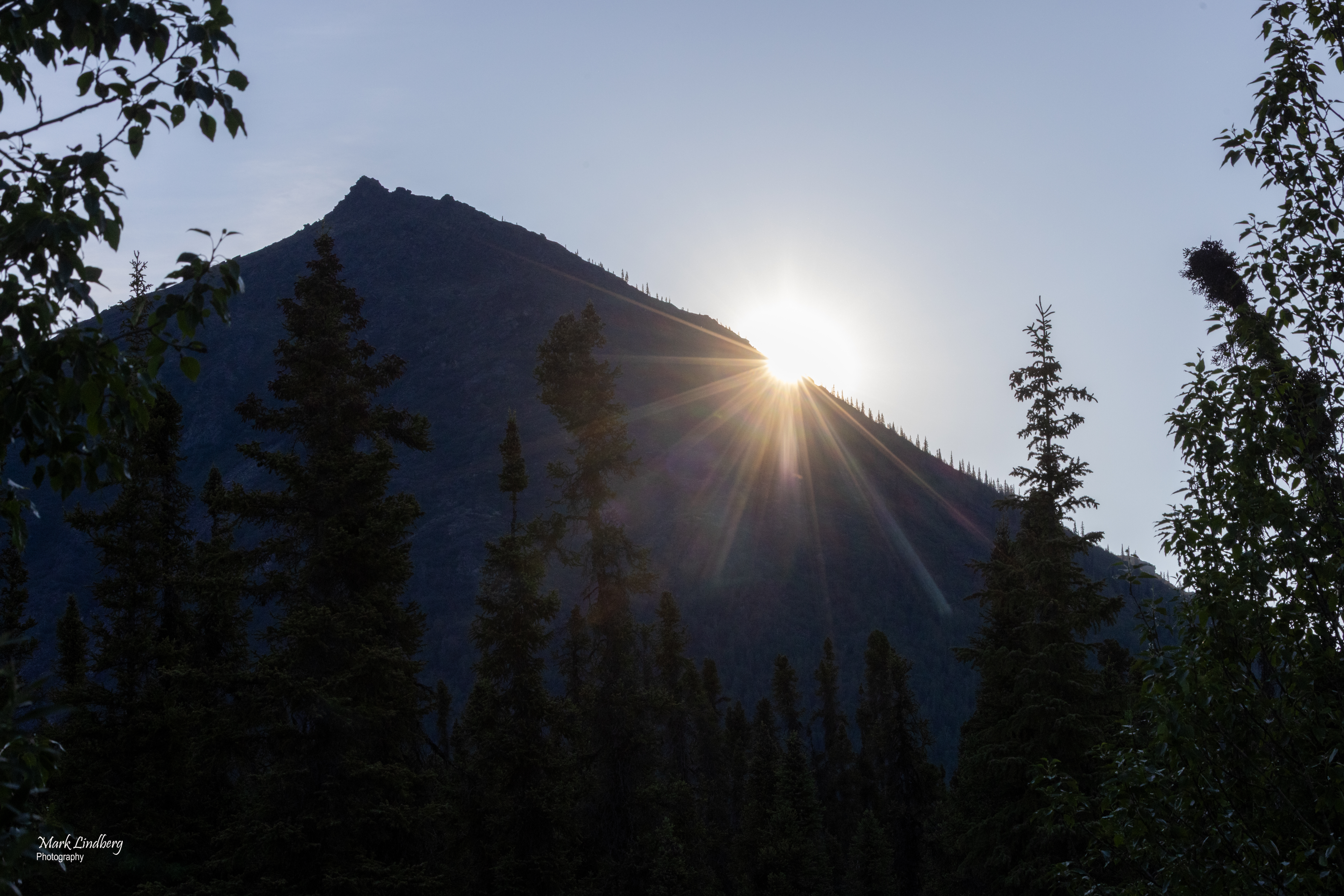
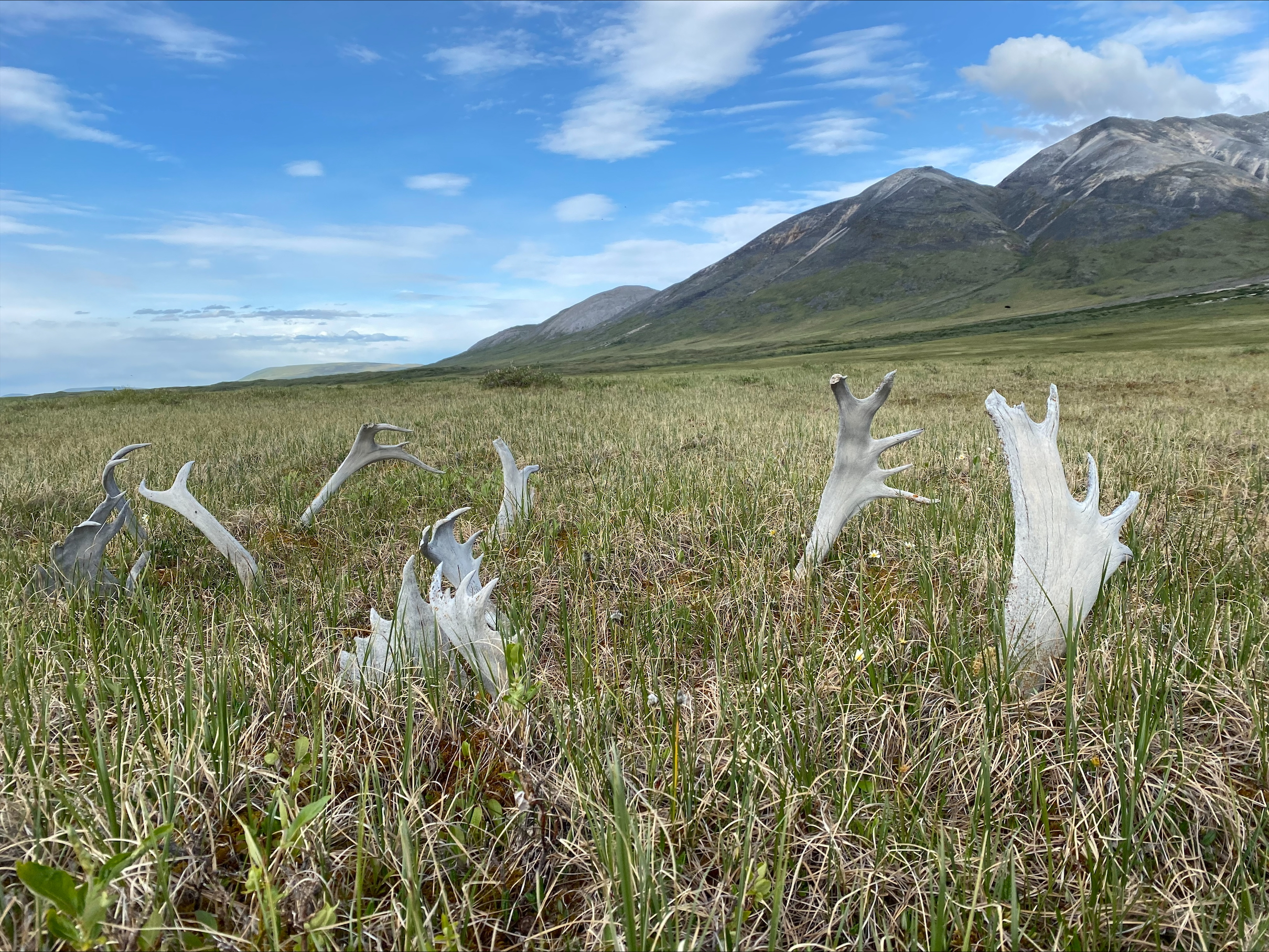
We know what exists today is worth safeguarding. The Brooks Range already delivers economic opportunity, world-class hunting and fishing, and access to one of the most intact landscapes remaining in North America. What remains unclear is why the public should assume financial risk for a private industrial corridor that would primarily benefit foreign nations. The minerals extracted from the Ambler Mining District would be shipped to Asia for processing, meaning foreign countries—including strategic adversaries such as China—could ultimately benefit most from a project financed by American taxpayers.
As the administration considers the future of the Ambler Industrial Road, we respectfully urge leaders to reconsider whether this project reflects our shared values of conservation, strengthens America’s interests, or represents the best use of public resources. Before risking one of Alaska’s greatest hunting and fishing landscapes, decisionmakers should carefully weigh what could be lost and who truly stands to benefit.