The U.S. Army Corps of Engineers has opened a public scoping period for the proposed Arctic Project mine in Alaska’s Ambler Mining District, marking the first stage of a new Environmental Impact Statement (EIS). The comment period runs through November 2, 2026, giving hunters, anglers, outdoor businesses, local communities, and conservation-minded Americans an opportunity to shape what federal agencies must study before any permitting decisions are made.
What is the Arctic Project?
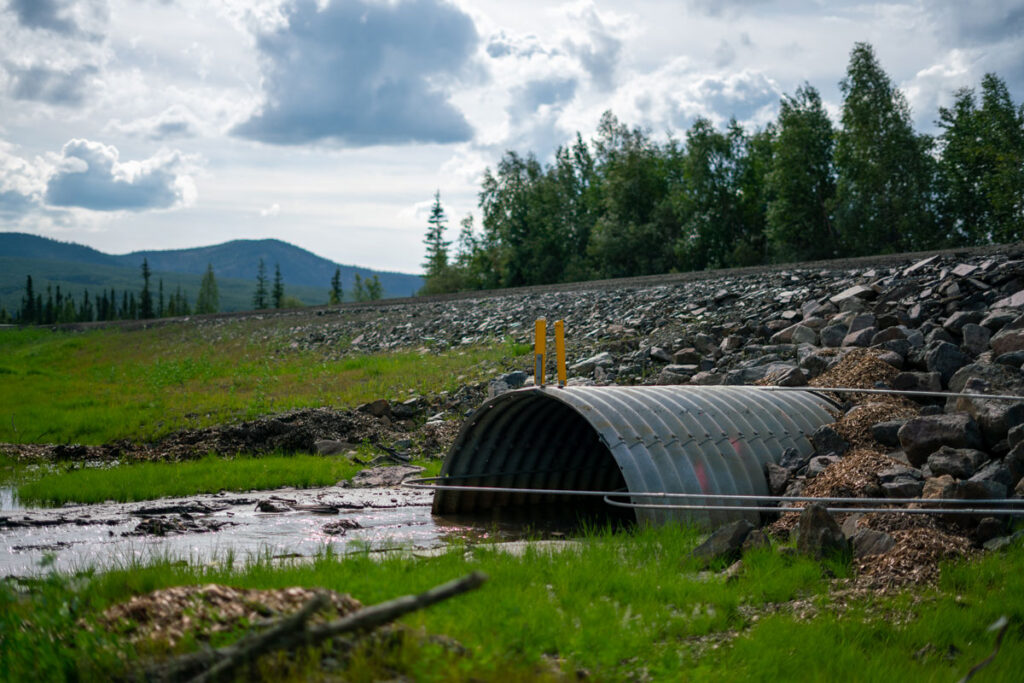
The proposed Arctic Project would be an open-pit copper, zinc, lead, gold, and silver mine developed by Ambler Metals. Project documents describe an operation expected to process approximately 11,000 tons of ore per day and operate for roughly 13 years after construction. Major facilities would include an open pit mine, ore processing facilities, tailings storage infrastructure, water management systems, access roads, and support facilities.
For hunters and anglers, the most important question extends well beyond the mine site itself, because the Arctic Project cannot be separated from the proposed Ambler Industrial Road.
What does the Ambler Road have to do with the Arctic Project?
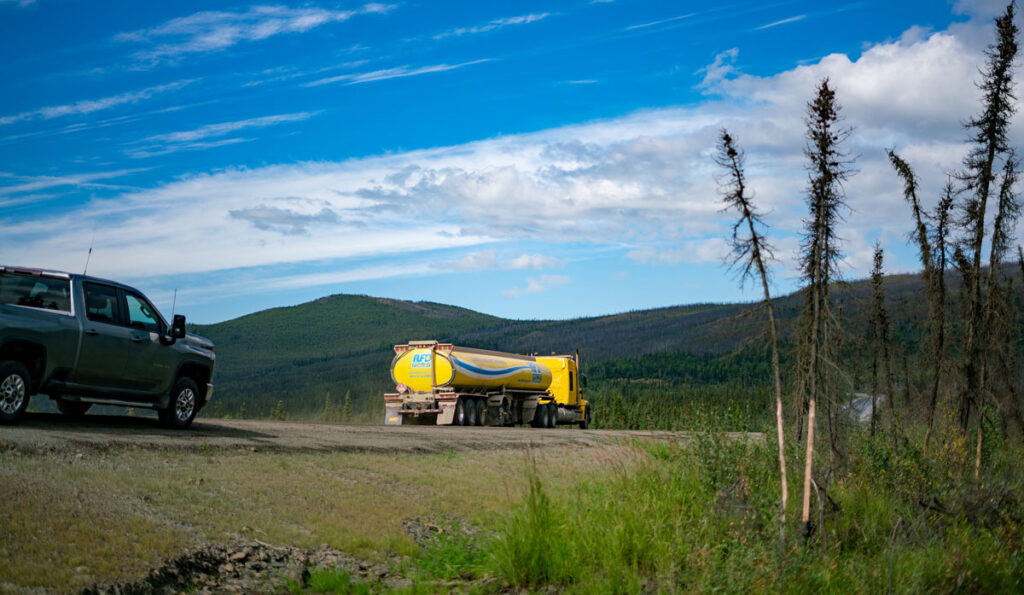
According to project documents, mineral concentrates produced at the mine would be transported by truck from the mine site using project access roads and the Ambler Access Project corridor before connecting with Alaska’s existing transportation network on the way to market. That connection is central to understanding the project’s potential impact on hunting and fishing opportunities.
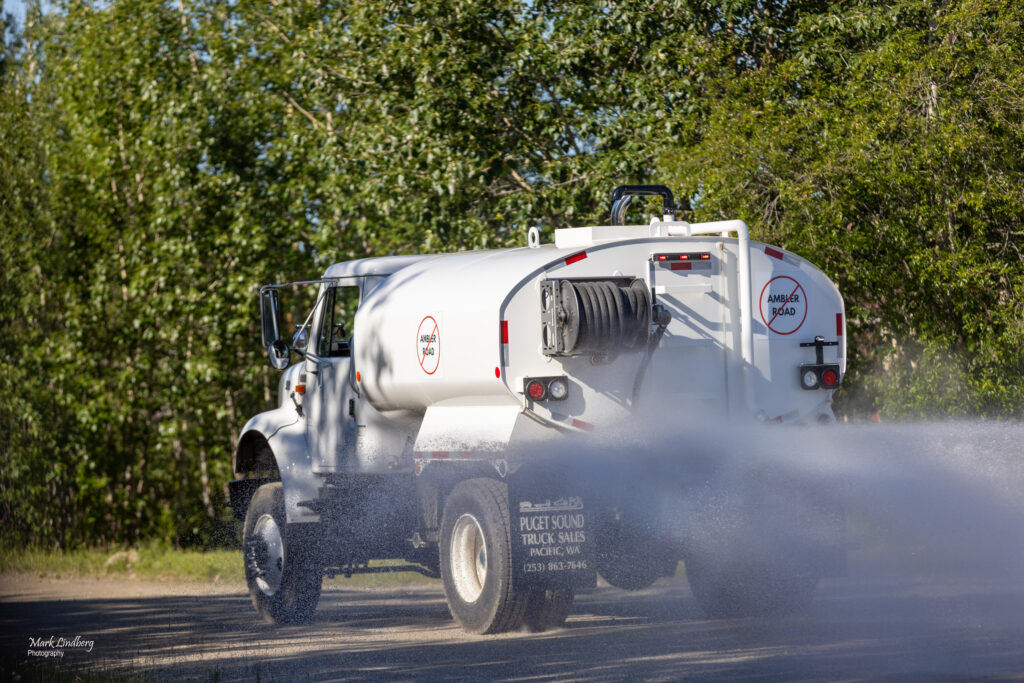
The road is not simply a separate transportation project. It is infrastructure intended to provide industrial access to the Ambler Mining District and facilitate movement of materials (construction supplies, ore, mineral concentrates, etc.) between the mine and existing transportation infrastructure. Project documents identify new and improved access roads connecting the Arctic Mine site to the Ambler Access Project and the Dahl Creek area.
As federal agencies begin determining the scope of environmental review, they must fully analyze how the Arctic Project and Ambler Industrial Road would function together and what their combined effects could mean for fish, wildlife, public access, and subsistence resources throughout the Brooks Range region.
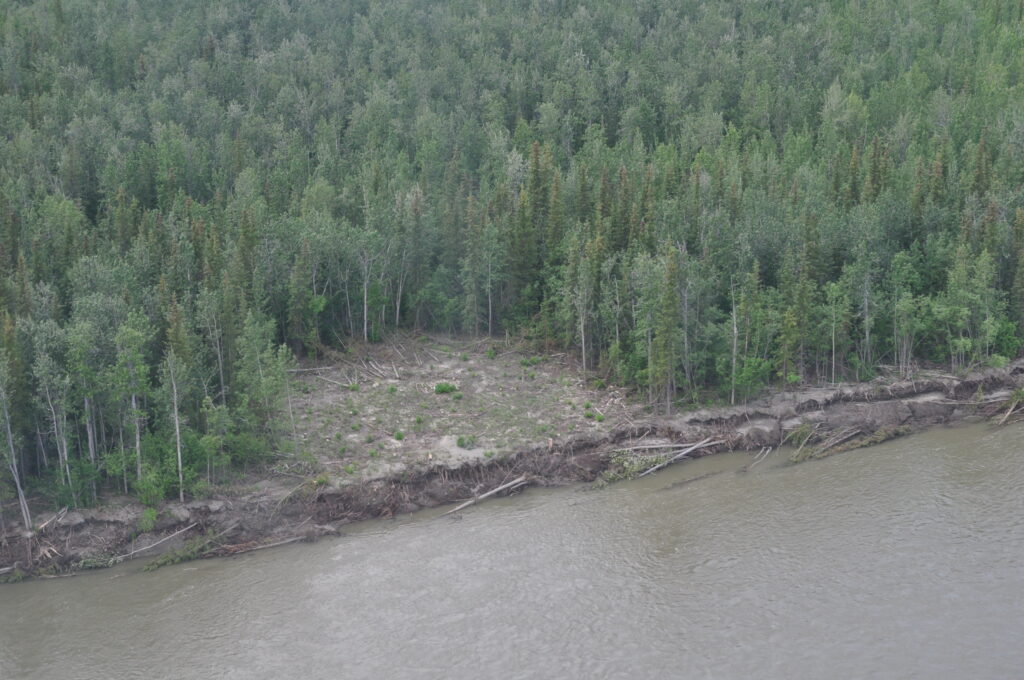
A meaningful review should not focus solely on the mine footprint. It should examine the cumulative effects of mine development, road construction, industrial traffic, habitat fragmentation, and potential future development that could result from opening industrial access in one of Alaska’s most intact landscapes.
What’s at stake for hunters and anglers?
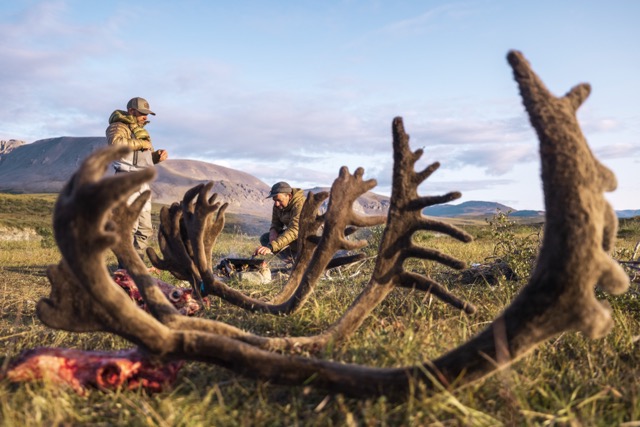
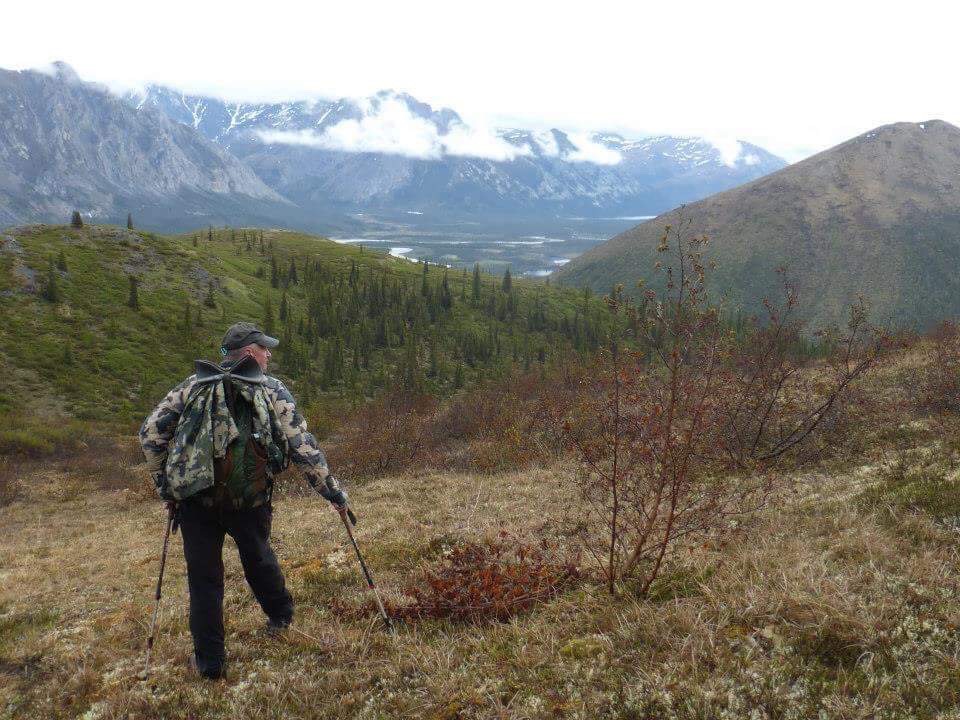
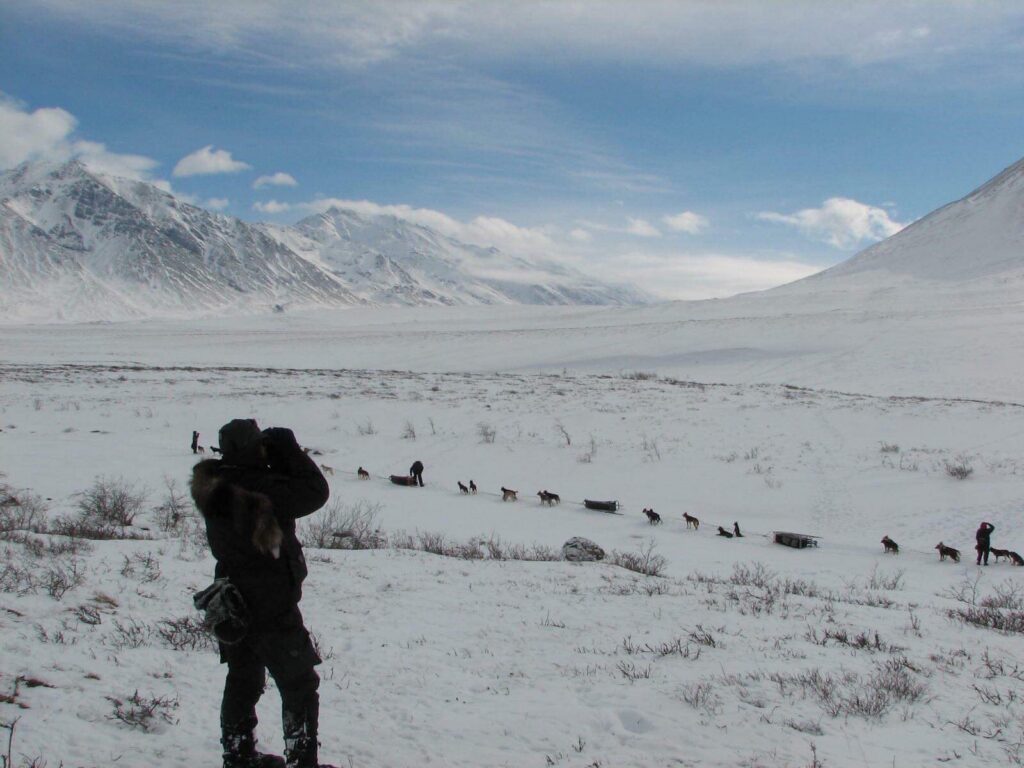
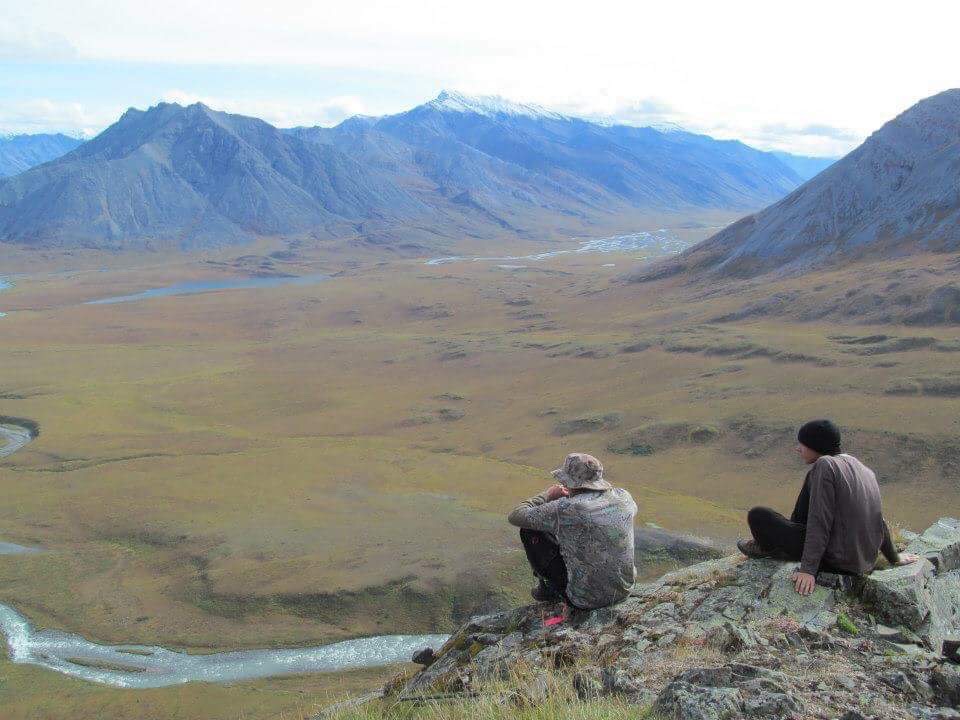
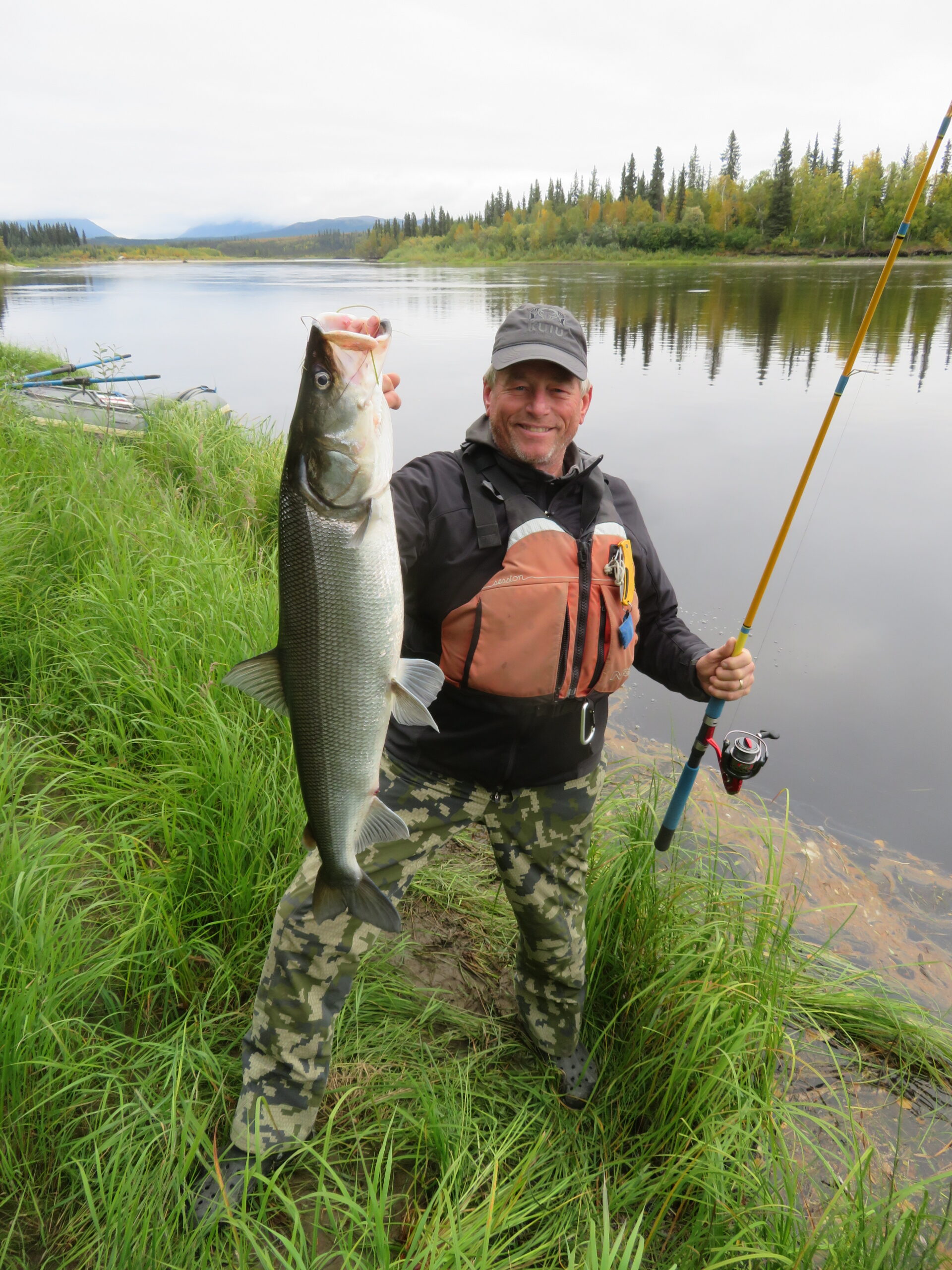
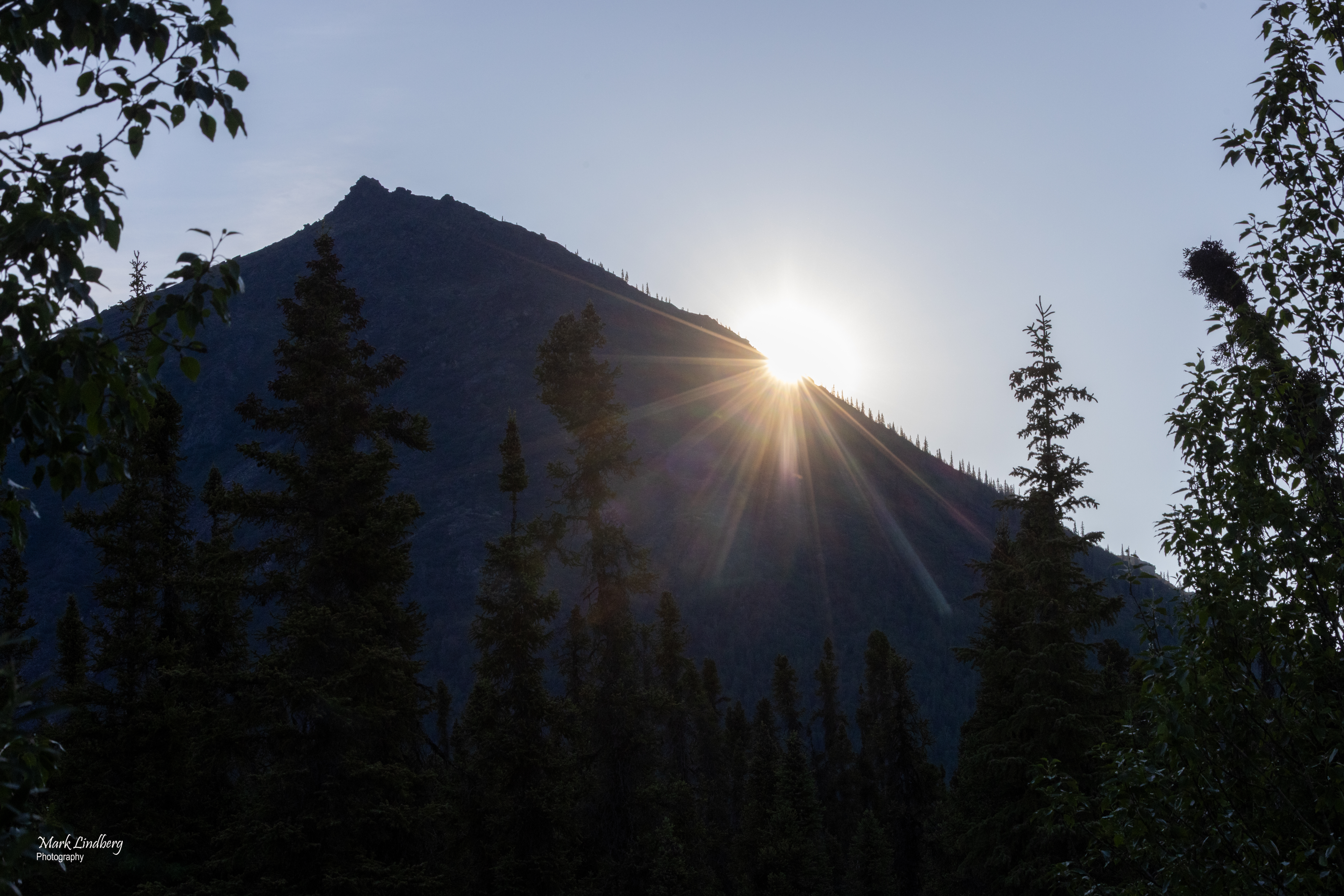
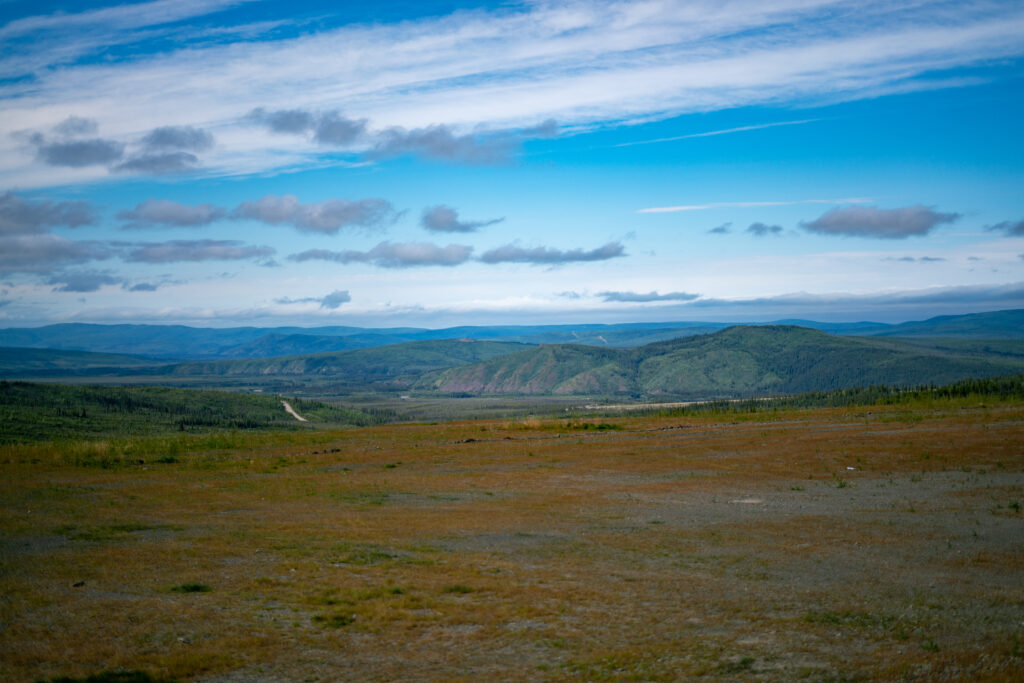
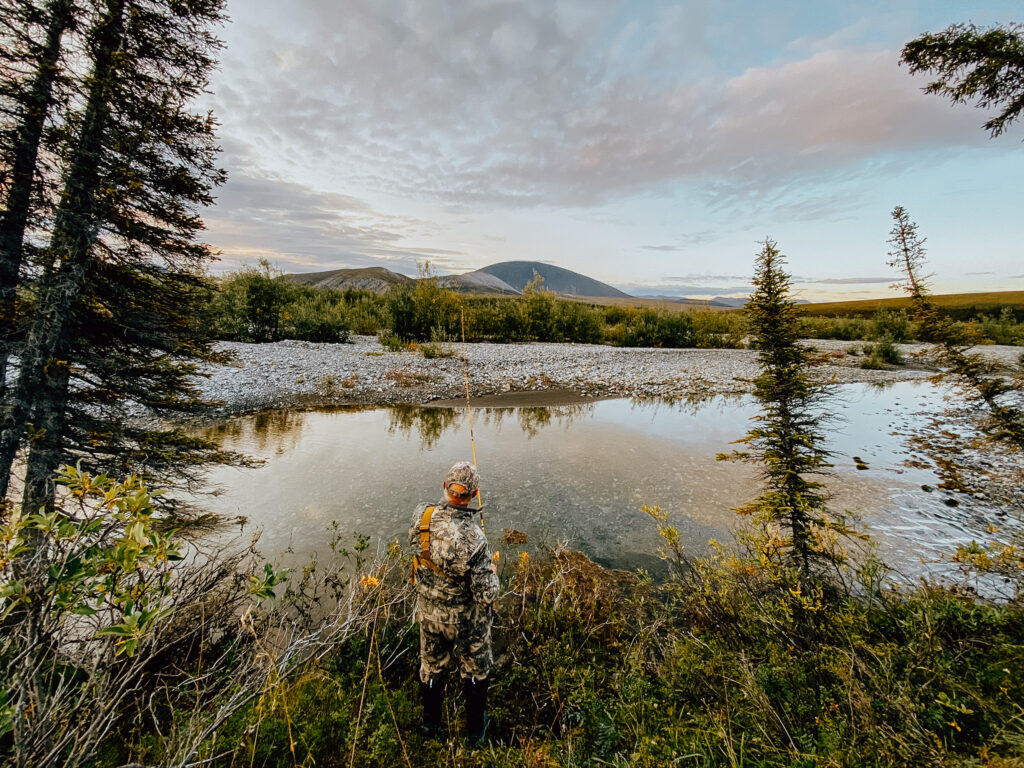
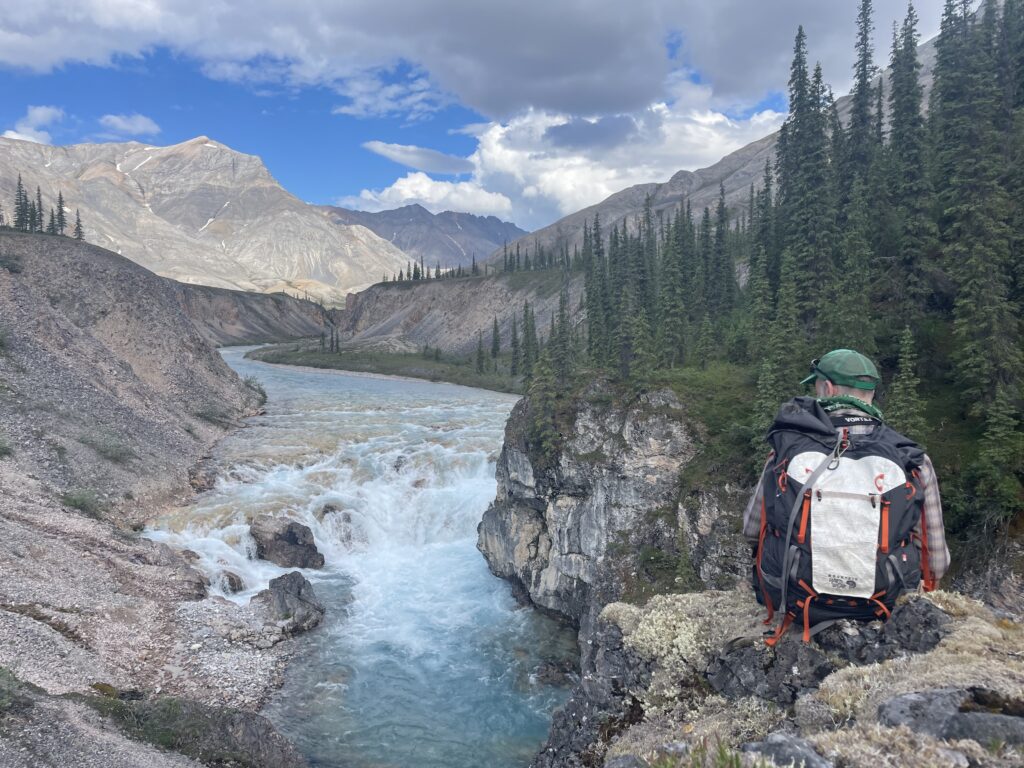
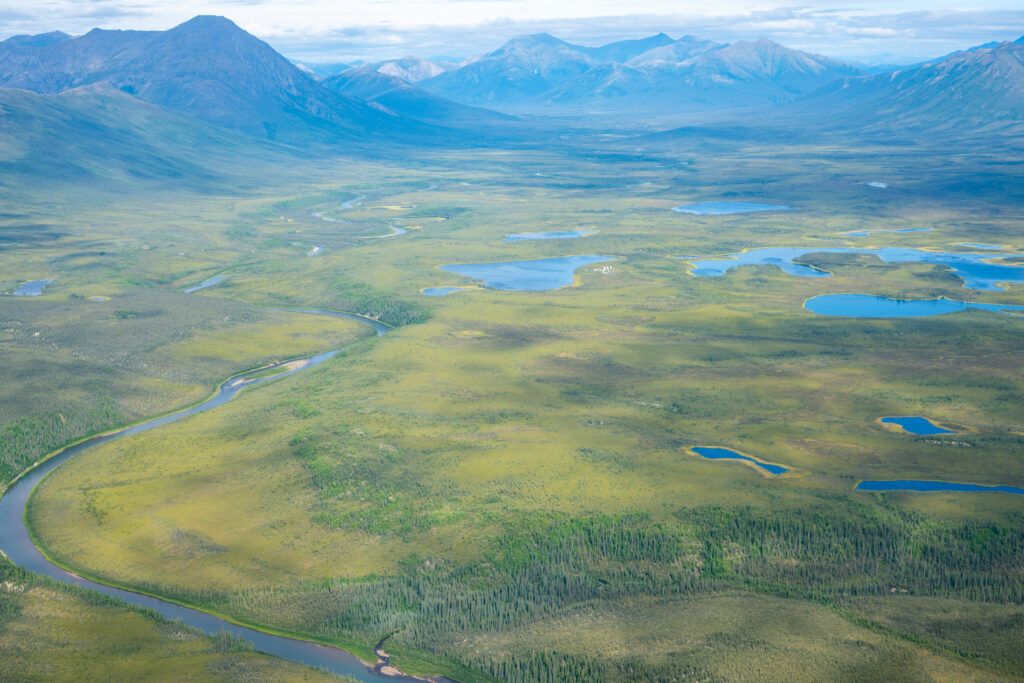
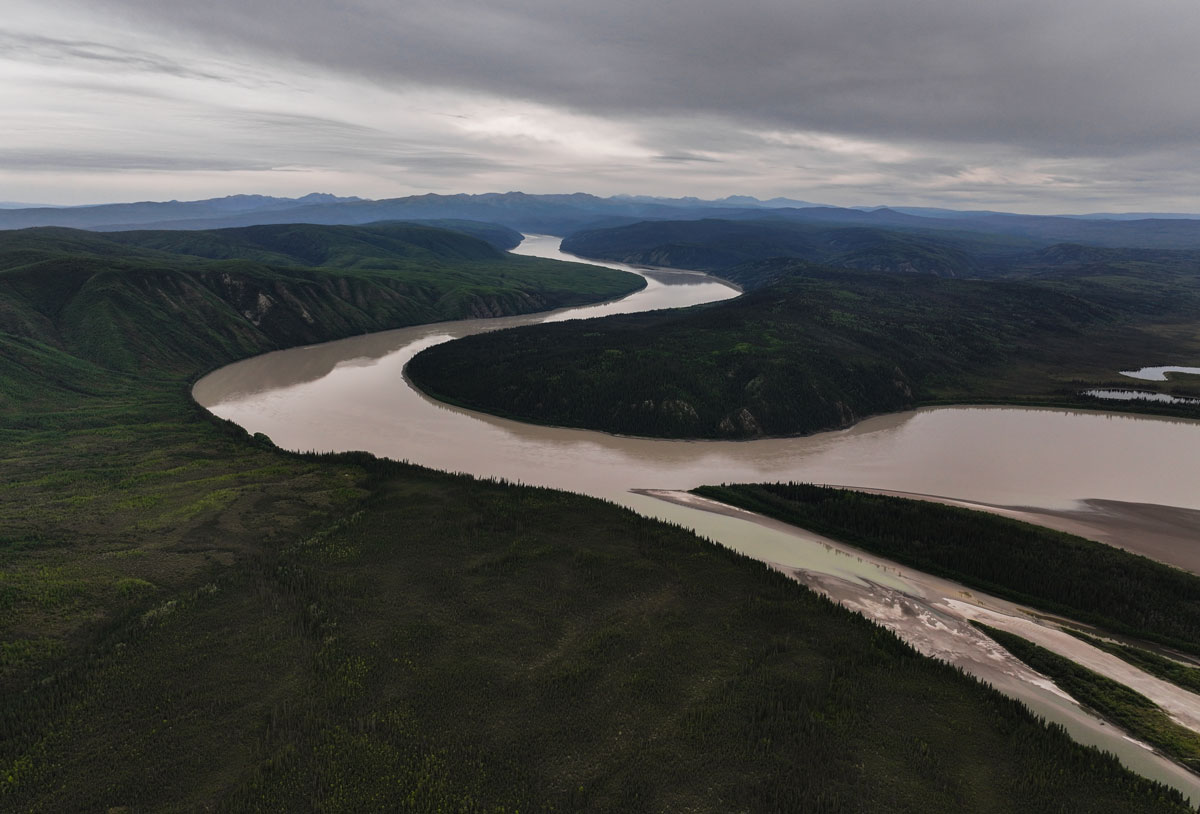
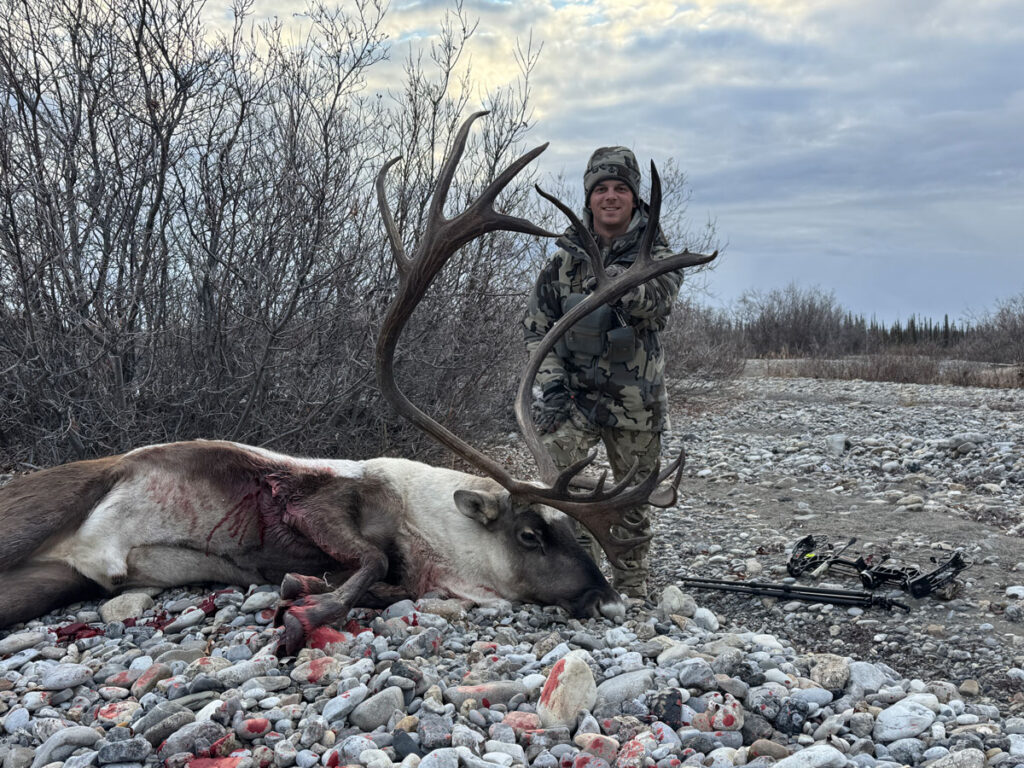
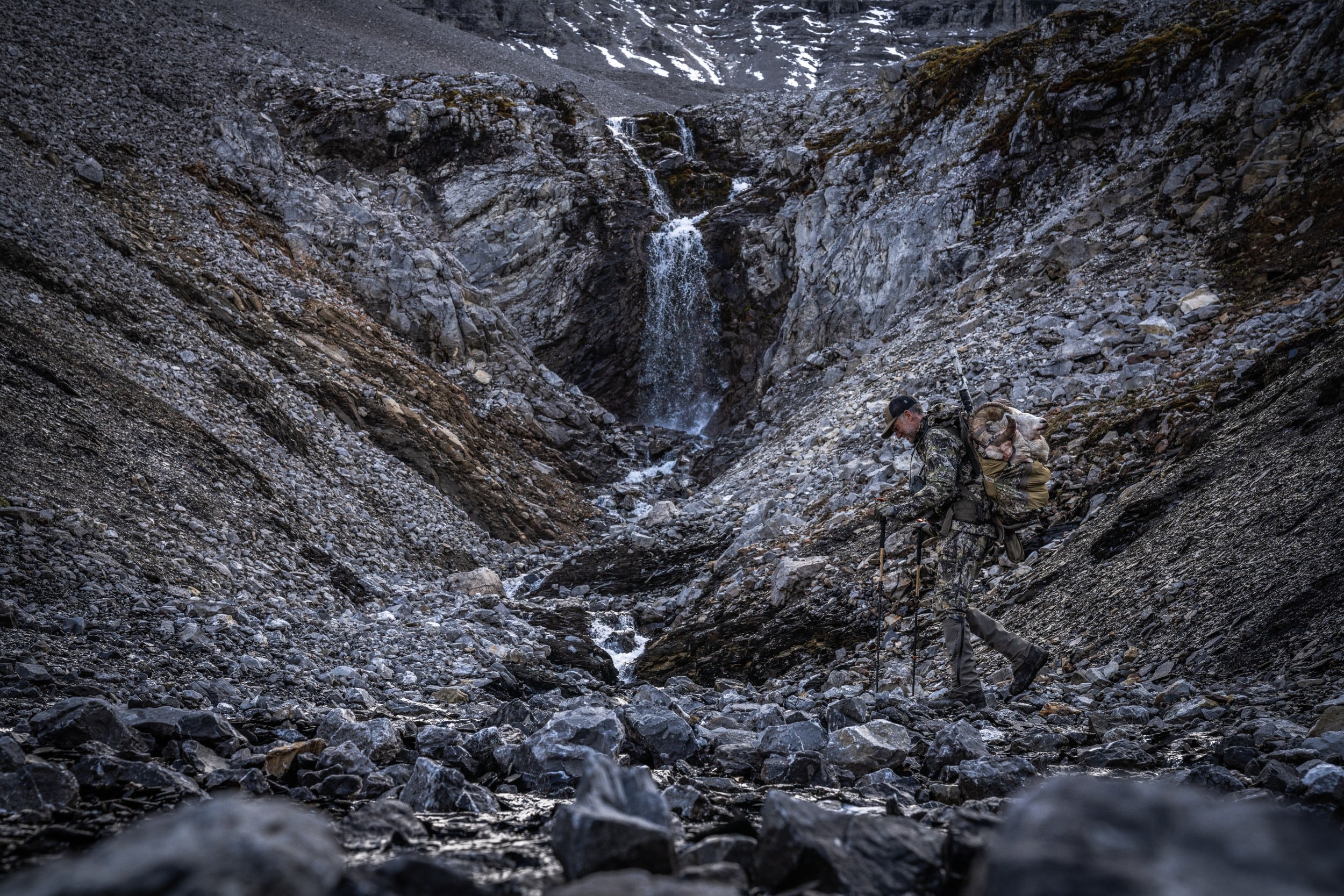
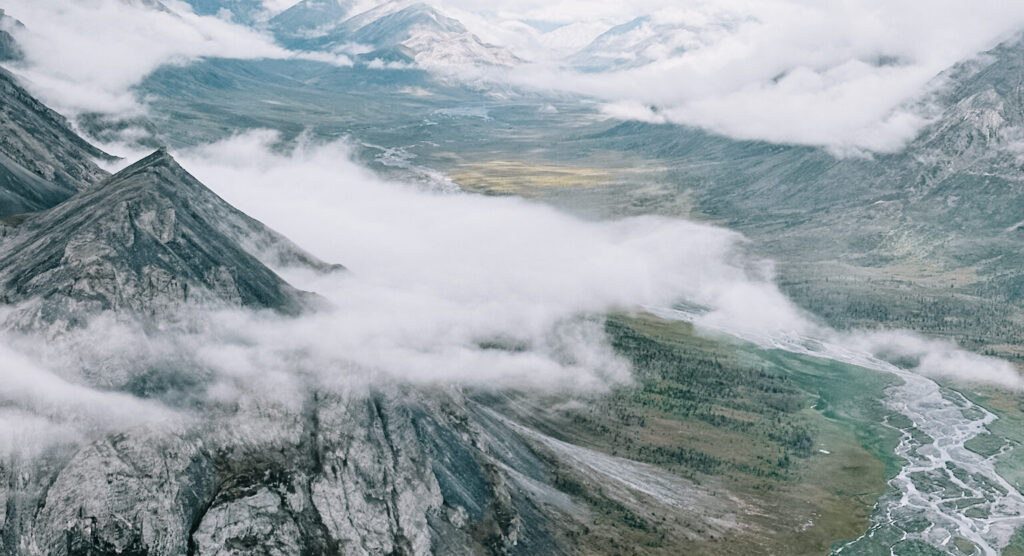
The Brooks Range supports world-class hunting and fishing opportunities that draw residents and visitors from around the globe.
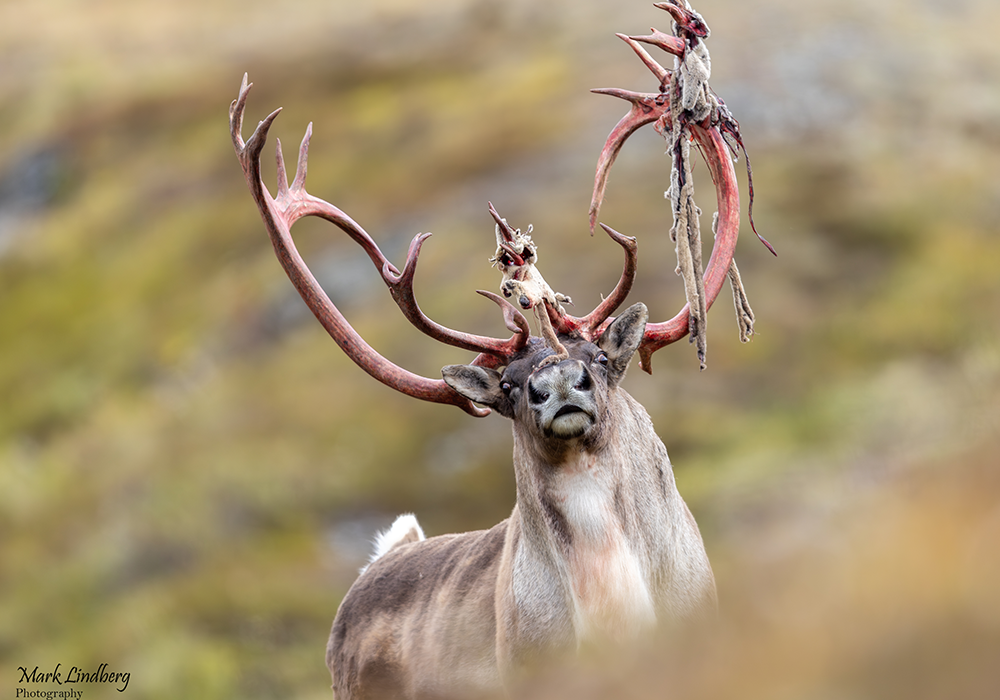
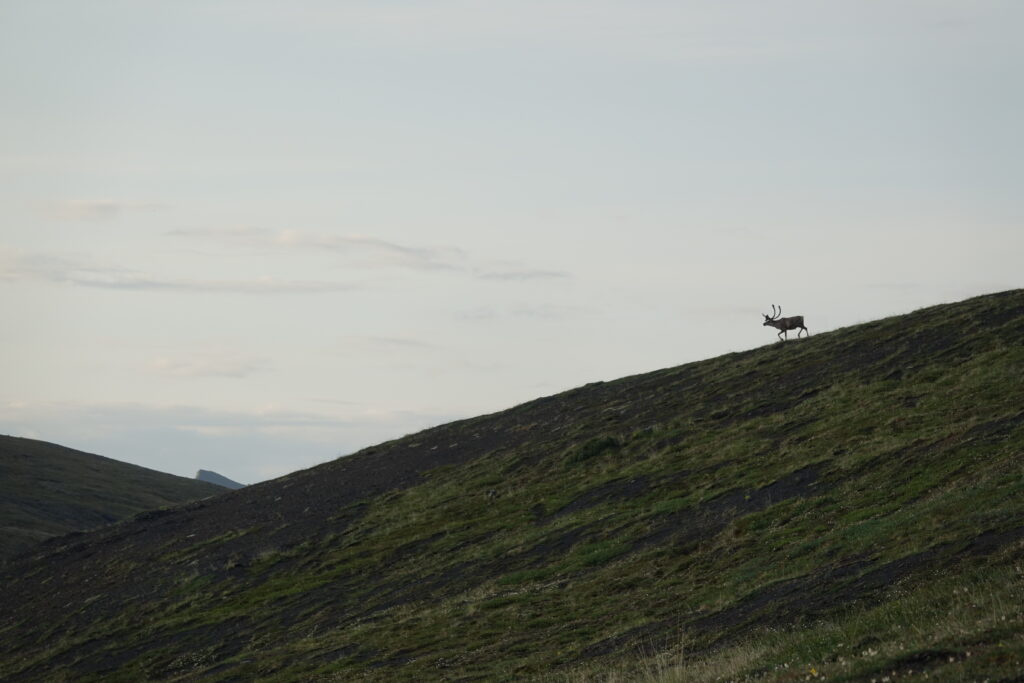
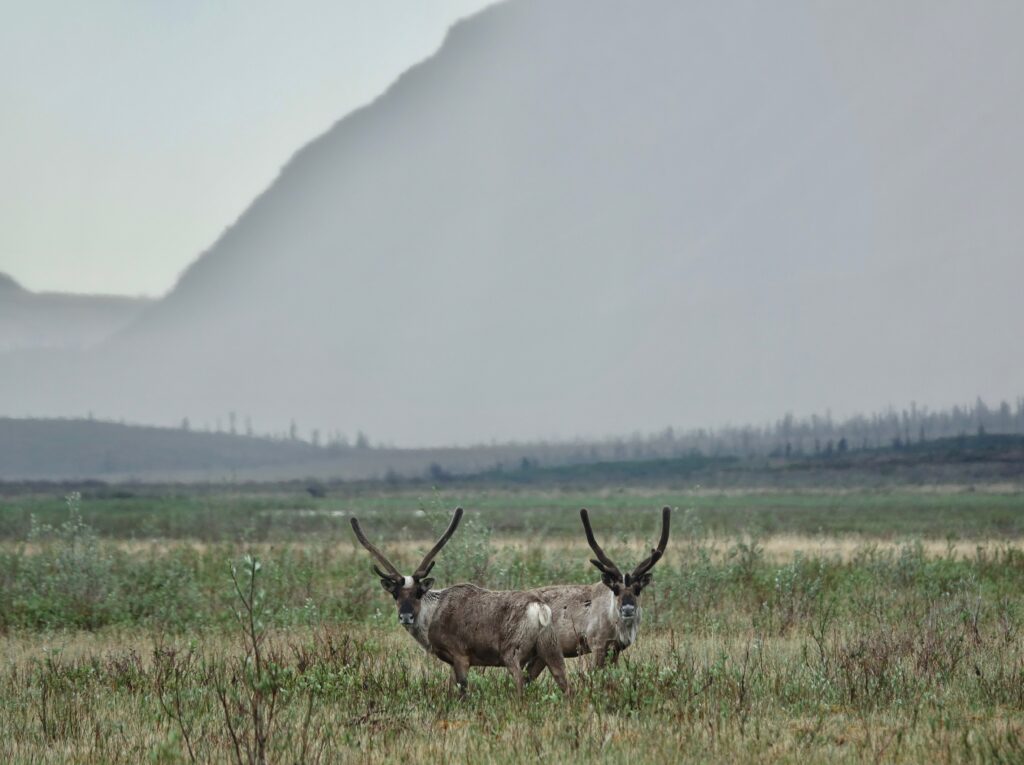
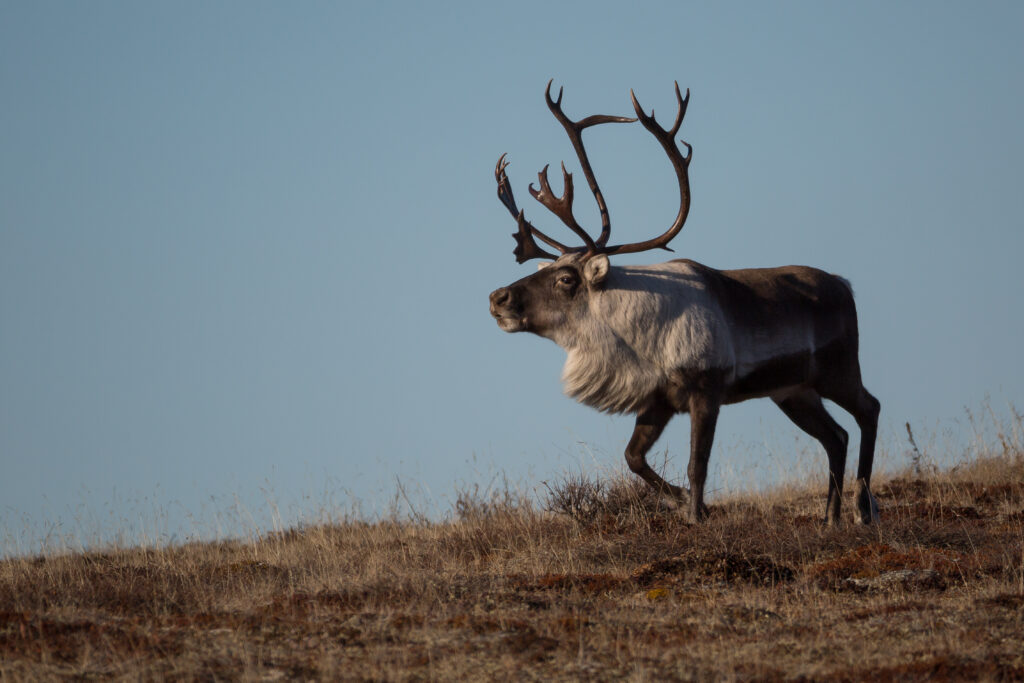
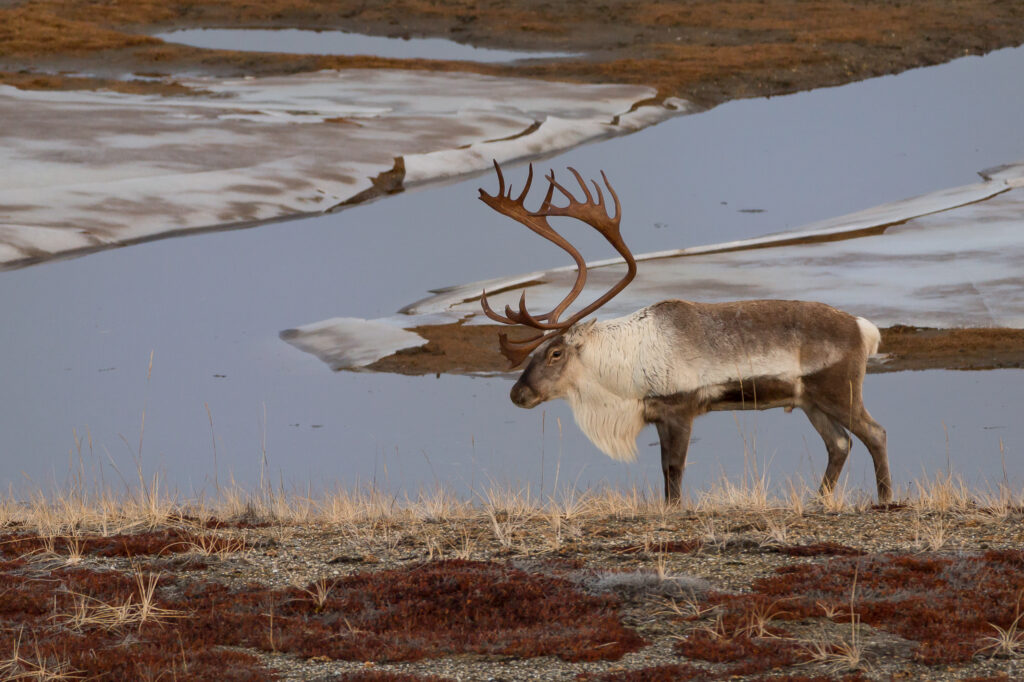
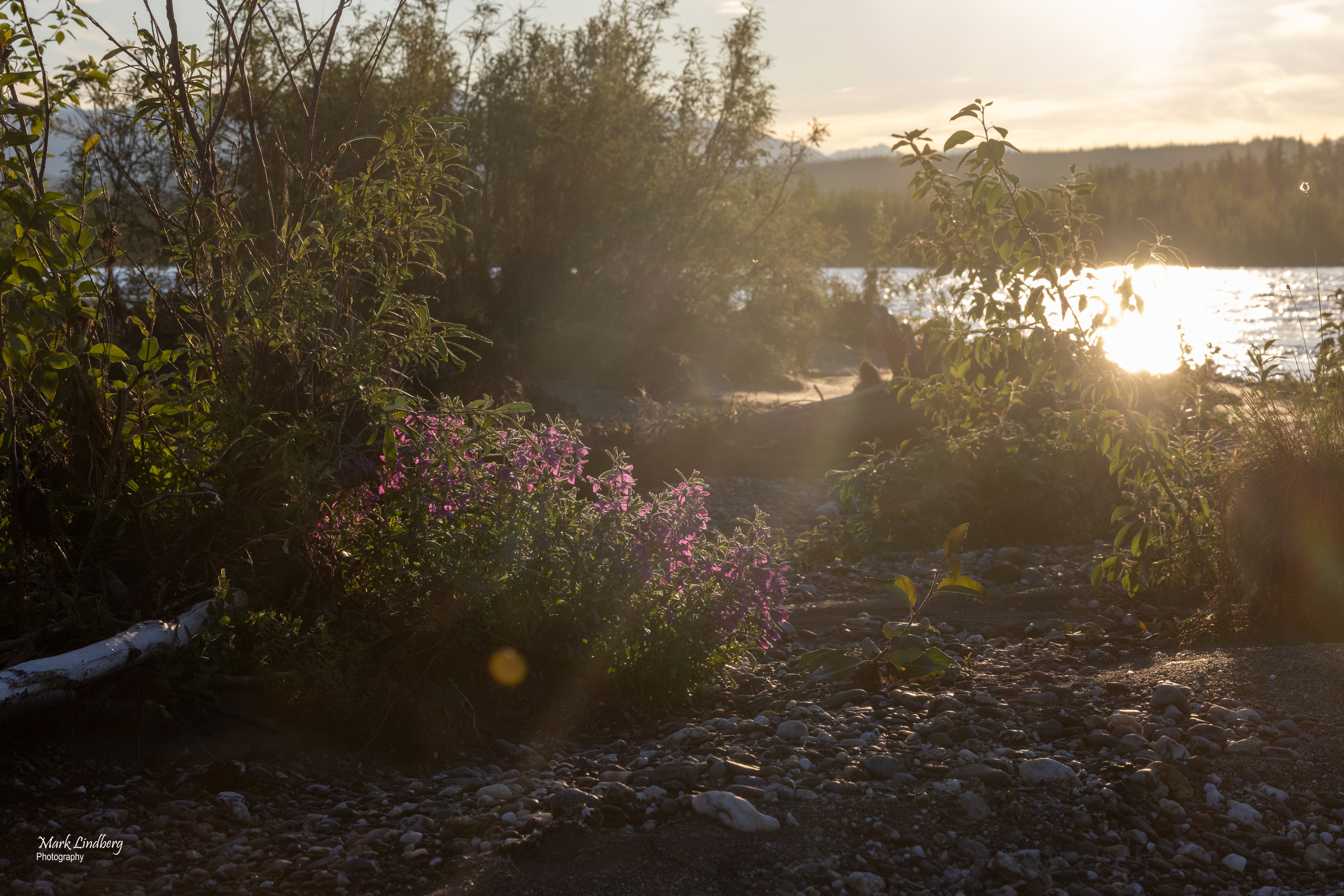
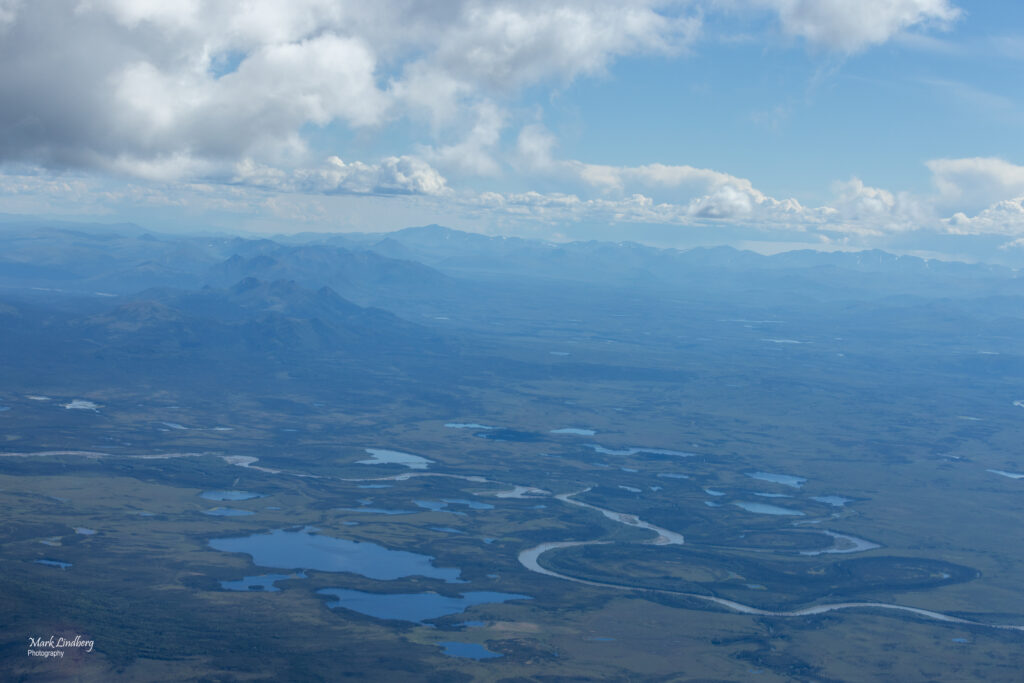
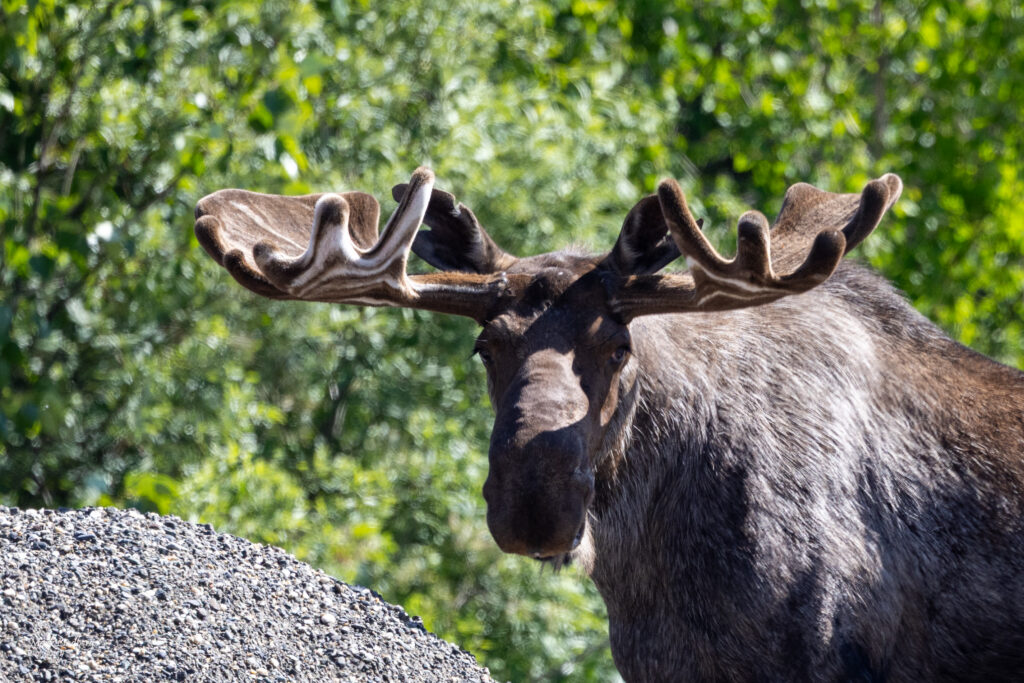
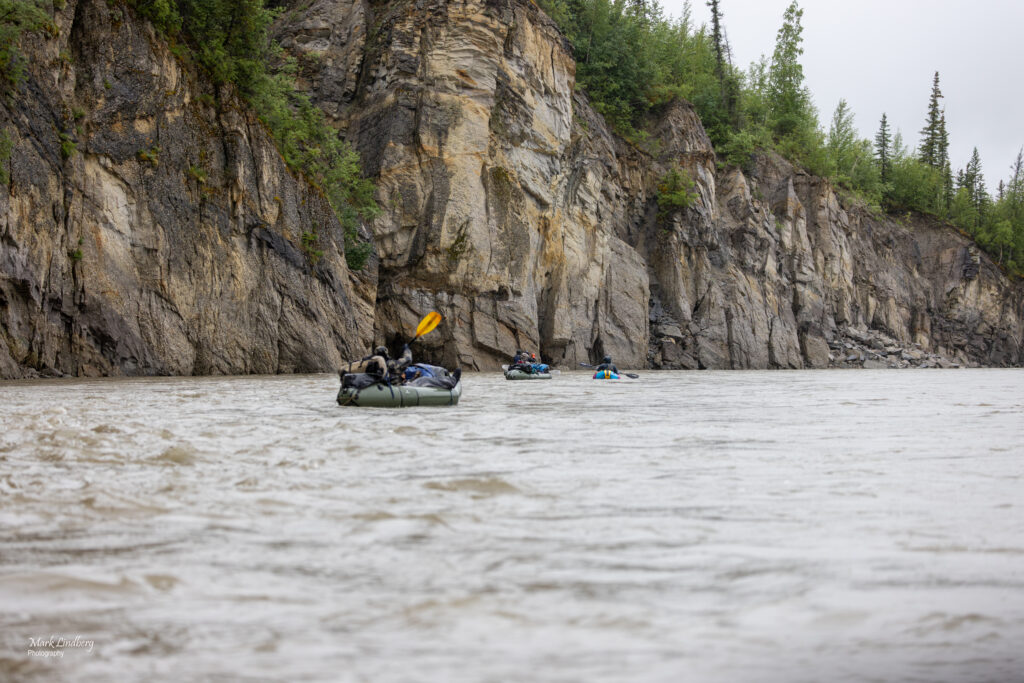
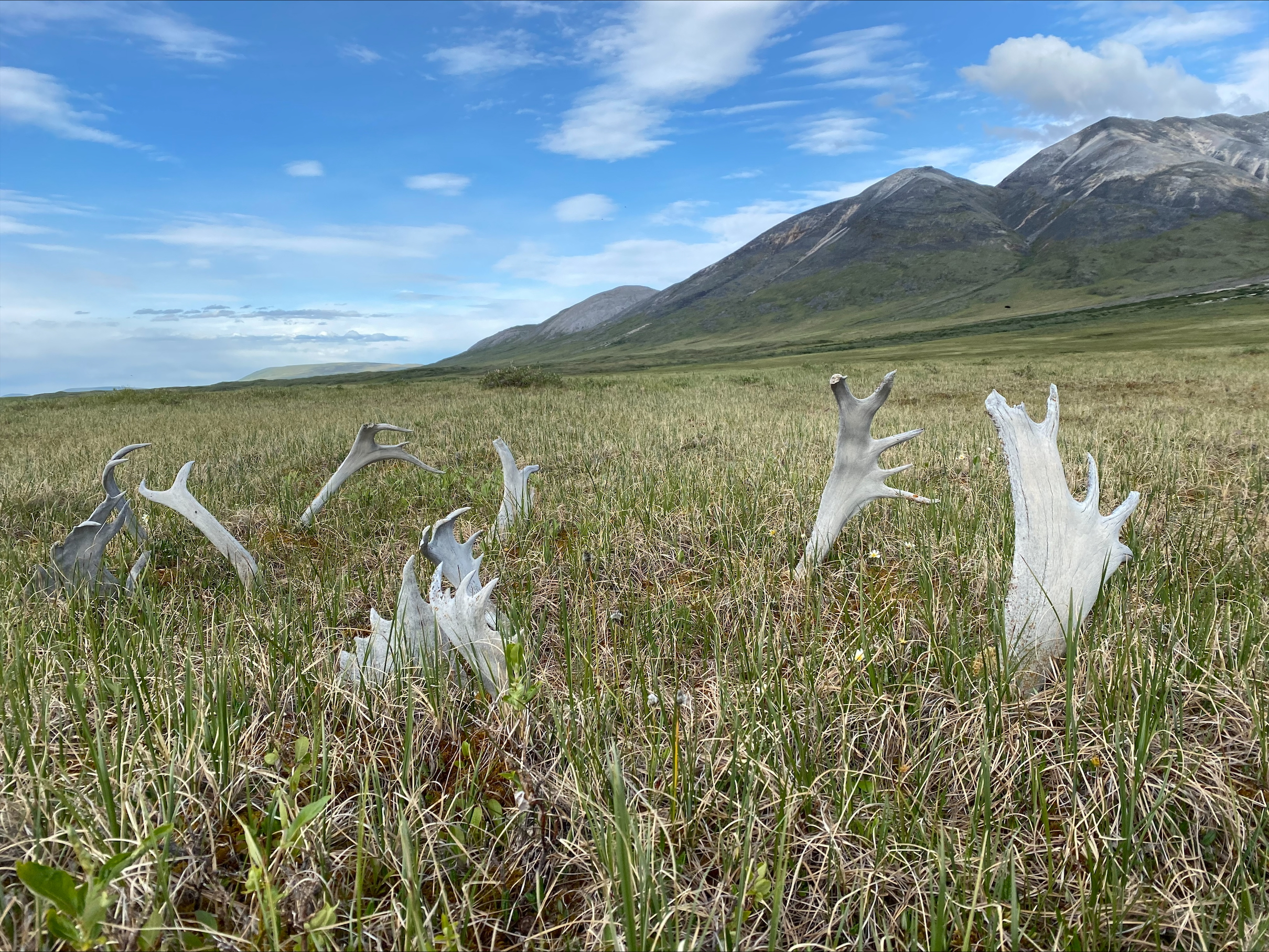
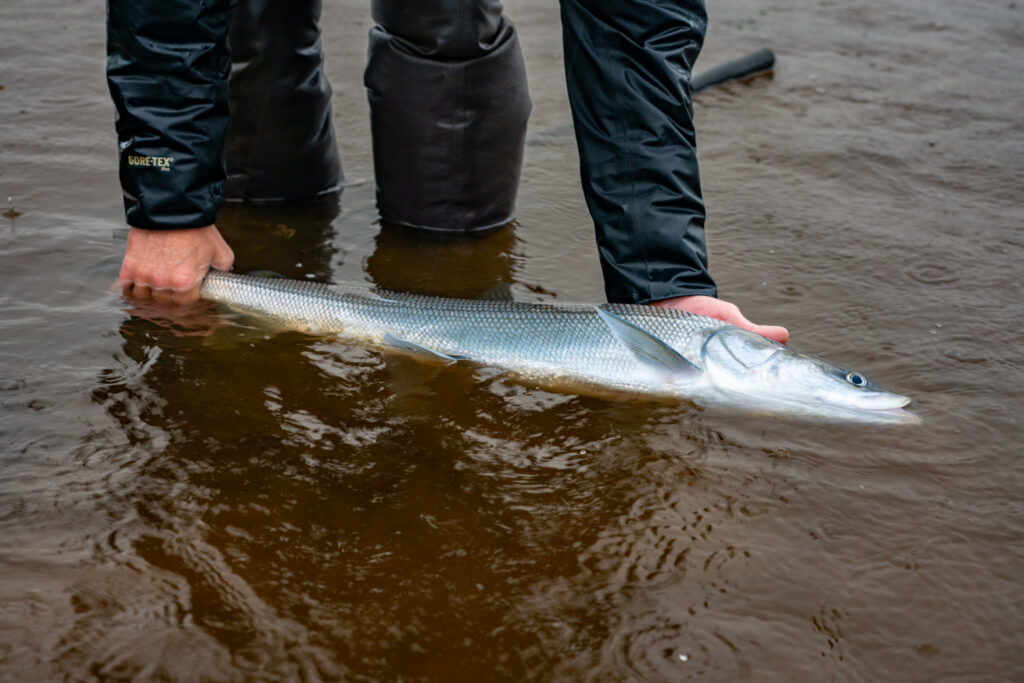
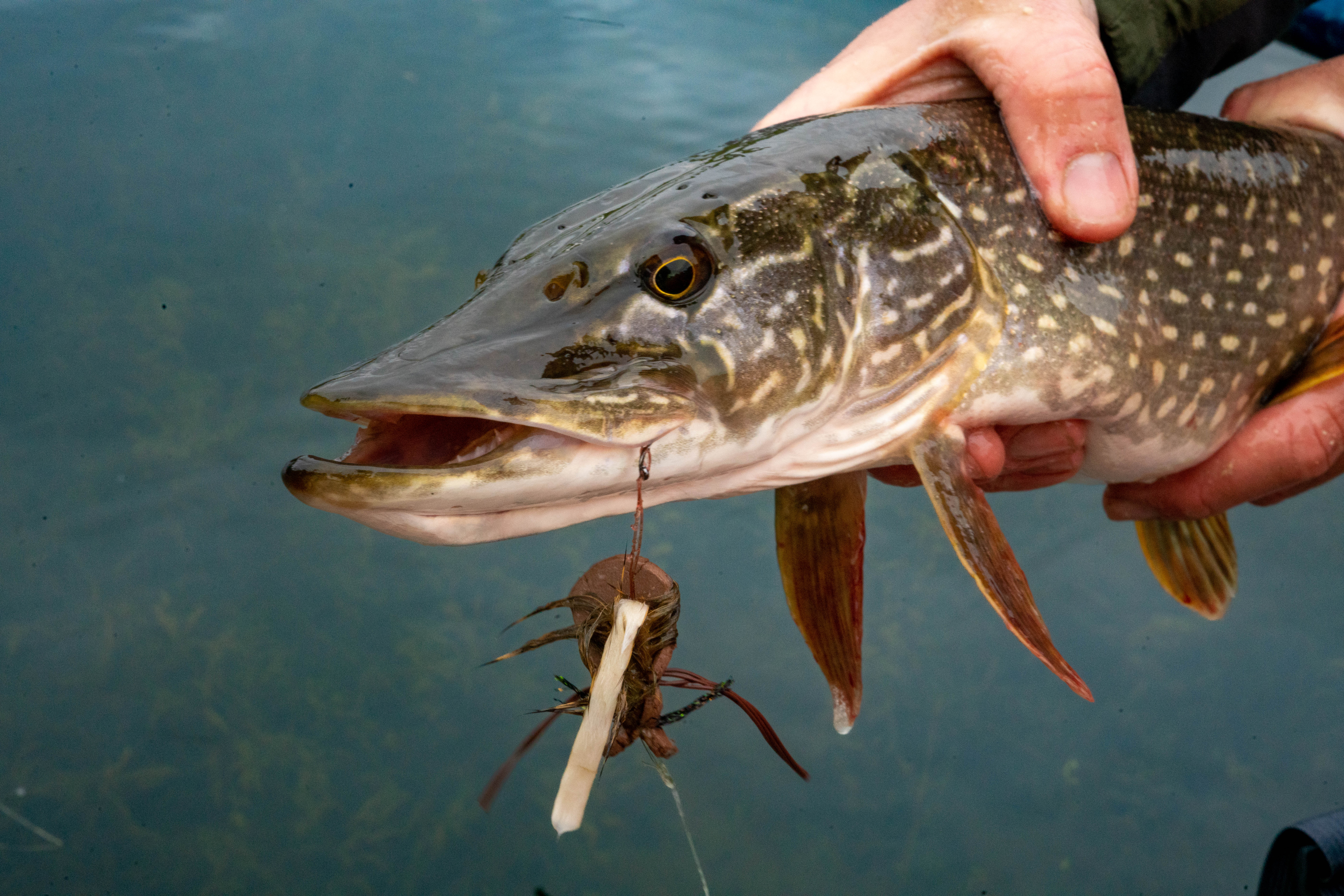
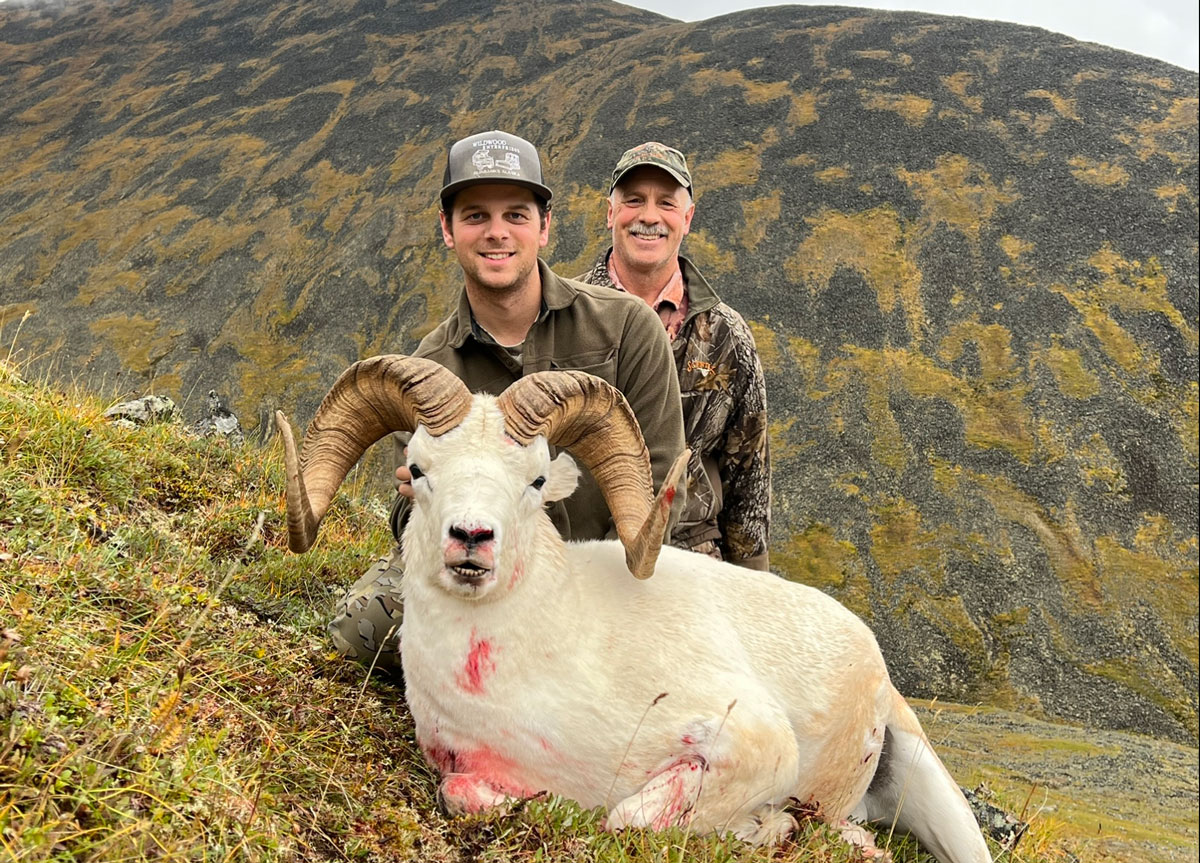
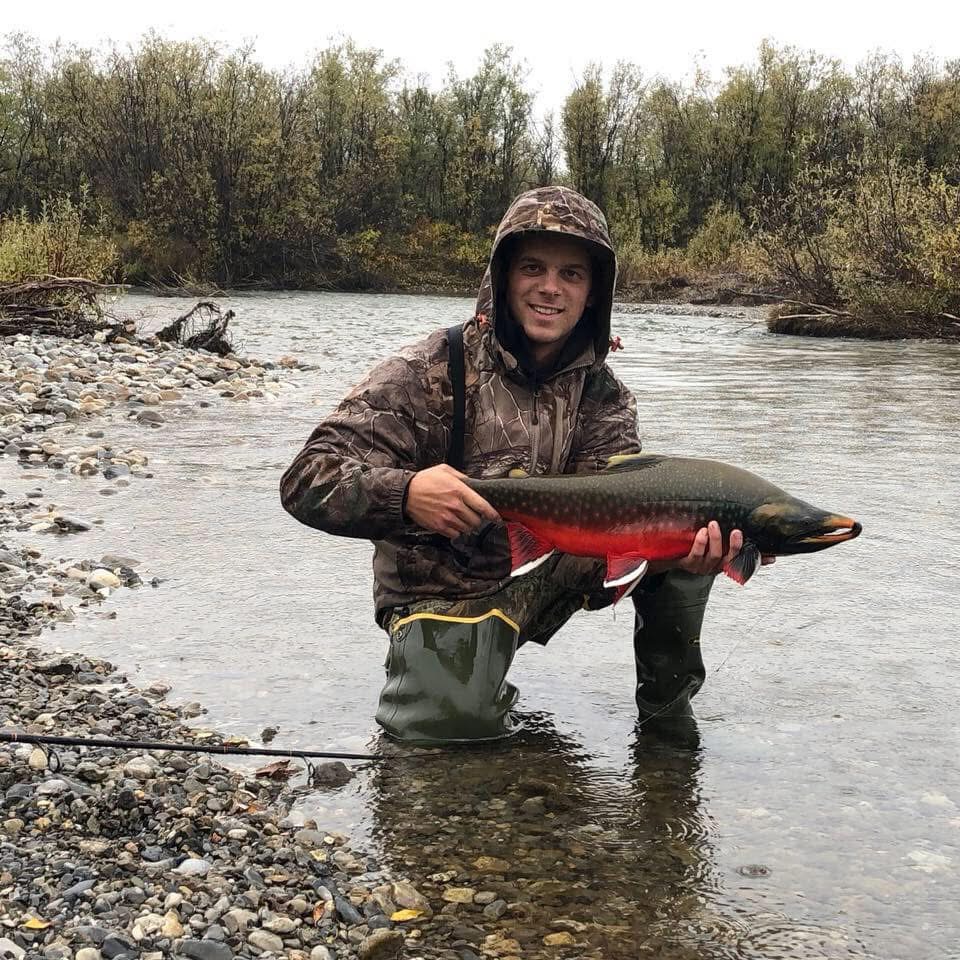
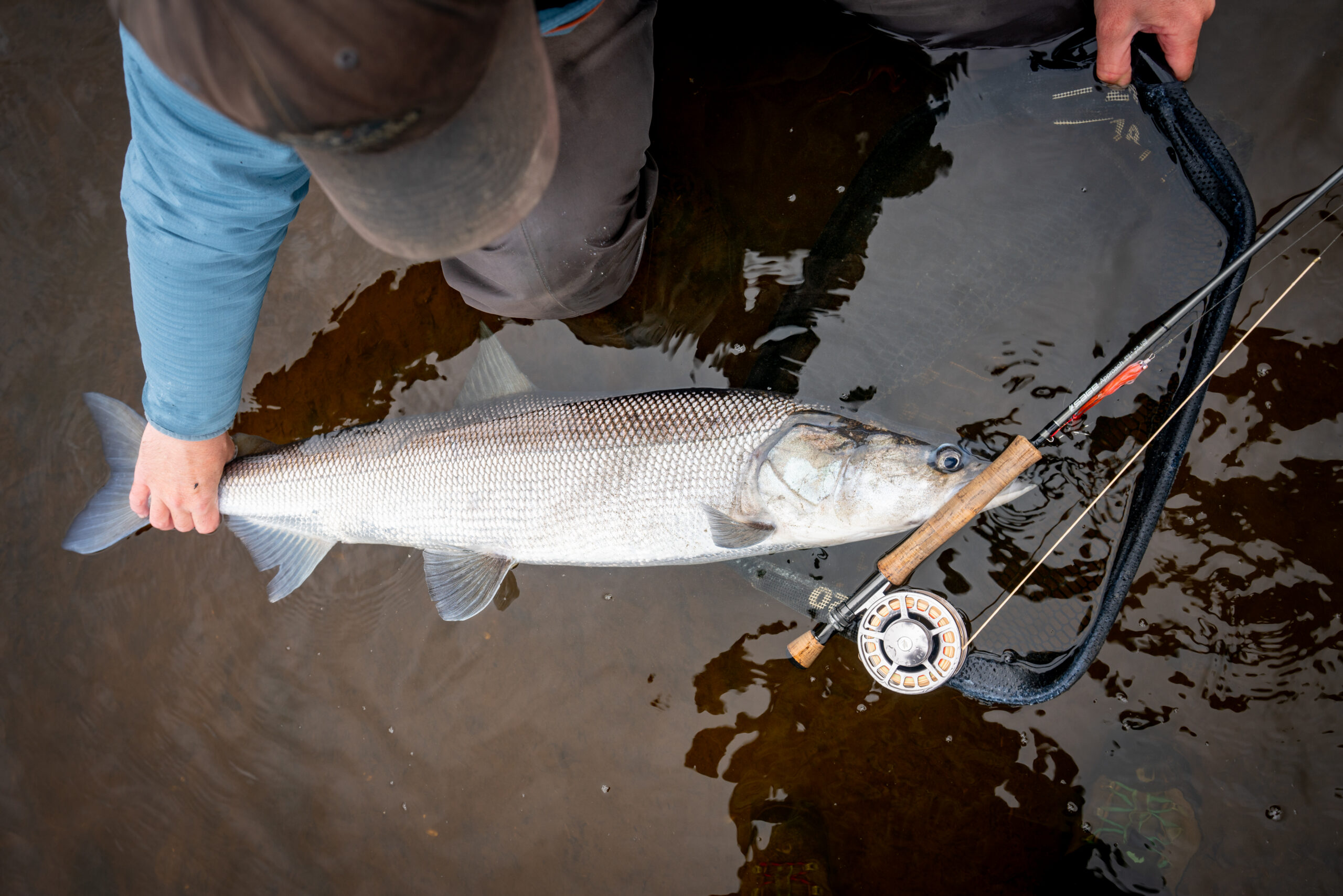
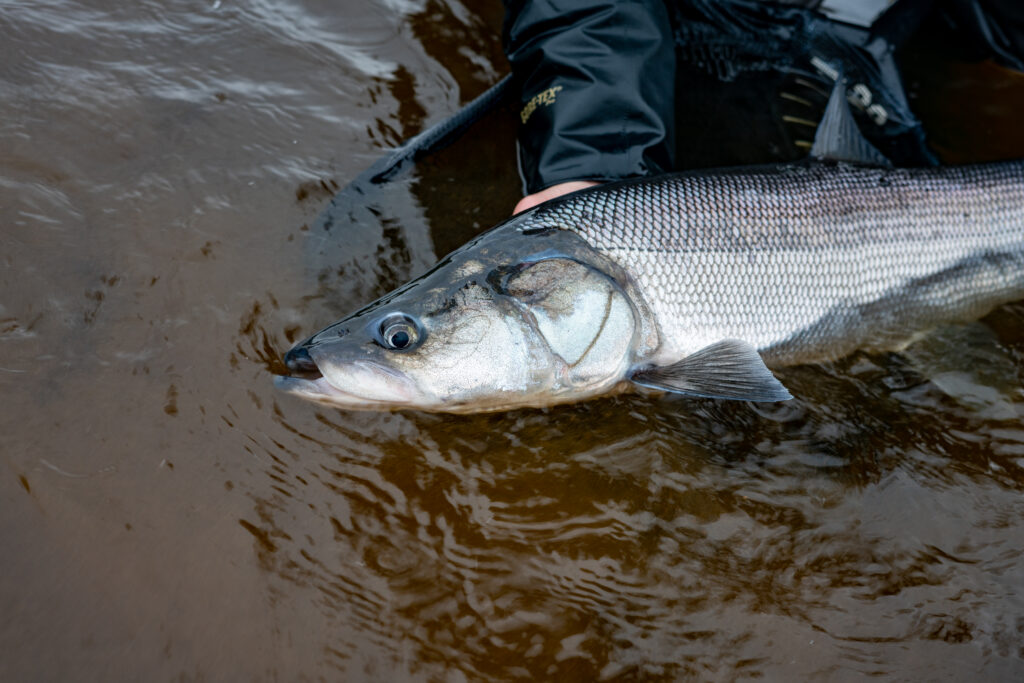
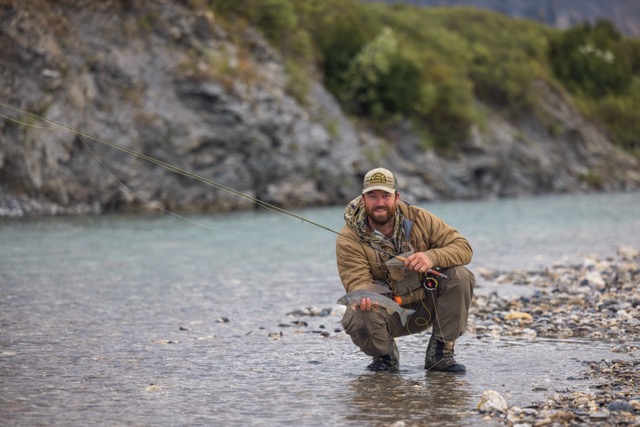
The region provides habitat for caribou, moose, Dall sheep, grizzly bears, and countless other wildlife species. Its thousands of rivers and streams support important fish populations while sustaining subsistence traditions that have supported Northwest Alaska communities for generations.
For many hunters and anglers, issues with this project extend beyond a single mine site. Once industrial roads are constructed in remote landscapes, the resulting changes to access, habitat, development patterns, and wildlife behavior can persist long after construction is complete.
Why should hunters and anglers comment on the Arctic Project EIS?
That is why public engagement in both the EIS process and the project’s FAST-41 review is so important. FAST-41 is a federal framework intended to improve the timeliness, predictability, and transparency of environmental review and permitting for major infrastructure projects. While it establishes a timeline for agency decision-making, it does not replace the environmental review itself. The EIS remains the primary process for evaluating potential environmental impacts, analyzing alternatives, identifying mitigation measures, and informing future permitting decisions.
Right now, the project is in the public scoping phase, one of the most important chances for public comments to shape the review. During scoping, federal agencies are deciding what topics, impacts, concerns, and alternatives must be studied throughout the environmental review. Comments submitted now can help determine whether agencies fully analyze issues such as the relationship between the Arctic Project and the proposed Ambler Industrial Road, impacts to fish and wildlife habitat, migration corridors, water quality, hunting and fishing opportunities, subsistence resources, and the potential for future development across the Ambler Mining District.
The decisions made during this stage will help shape the scientific record and information available to decision makers and the public before permits are considered. Under the current Fast-41 schedule, the Corps expects to complete the EIS and issue a Record of Decision in 2028, making this early public engagement especially important.
The public has a limited opportunity to help shape this review.
Tell the U.S. Army Corps of Engineers to:
- Fully evaluate the relationship between the Arctic Project and the proposed Ambler Industrial Road
- Analyze the direct, indirect, and cumulative impacts of both projects
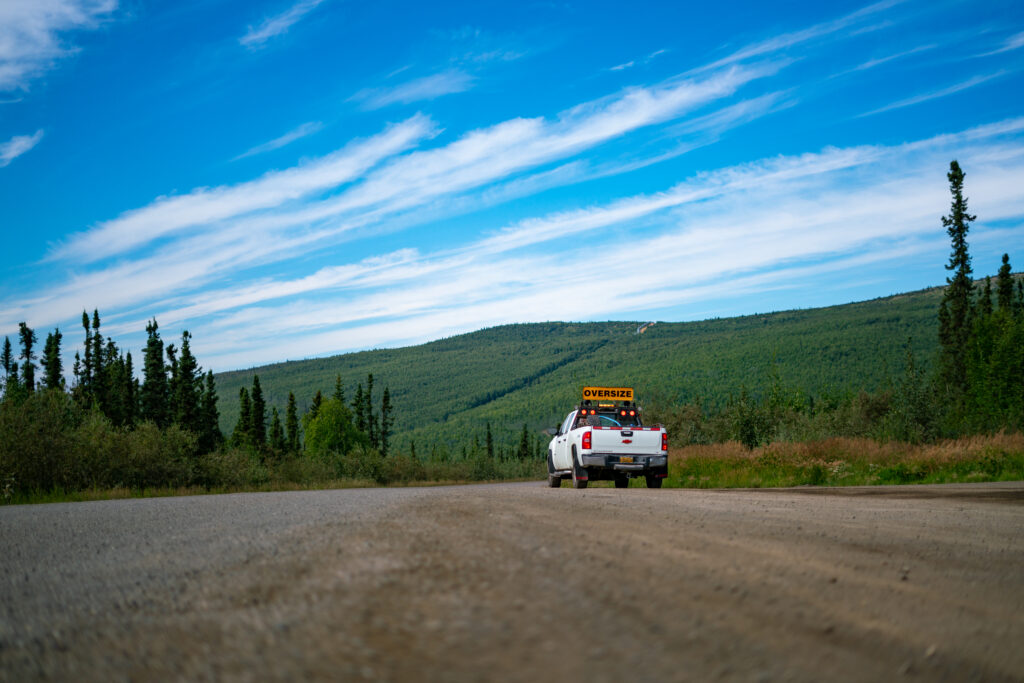
- Evaluate the impact of increased industrial traffic on the Dalton Highway.
- Assess impacts to fish and wildlife habitat, migration corridors, and water resources
- Evaluate consequences for hunting, fishing, recreation, and subsistence opportunities
- Consider how industrial road infrastructure could facilitate future development across the Ambler Mining District
- Ensure a transparent, comprehensive, and science-based environmental review
The Corps is accepting comments through November 2, 2026, and comments may be submitted online, by mail, or during public scoping meetings. The agency also plans to hold public meetings in Northwest Alaska communities, Fairbanks, and a virtual statewide meeting during the scoping period.
Hunters and anglers have been some of the strongest advocates for conserving the Brooks Range and safeguarding the fish and wildlife resources that define this remarkable landscape. Now is the time to speak up.
Submit a comment before November 2 and urge federal agencies to conduct a complete and transparent review of the Arctic Project and its connection to the proposed Ambler Industrial Road.