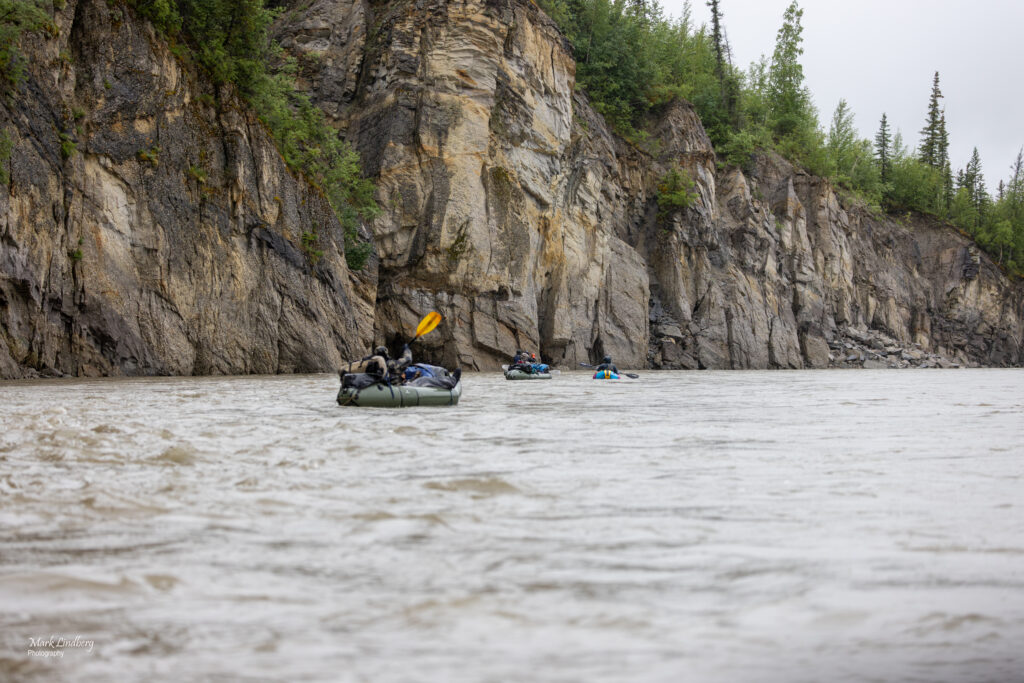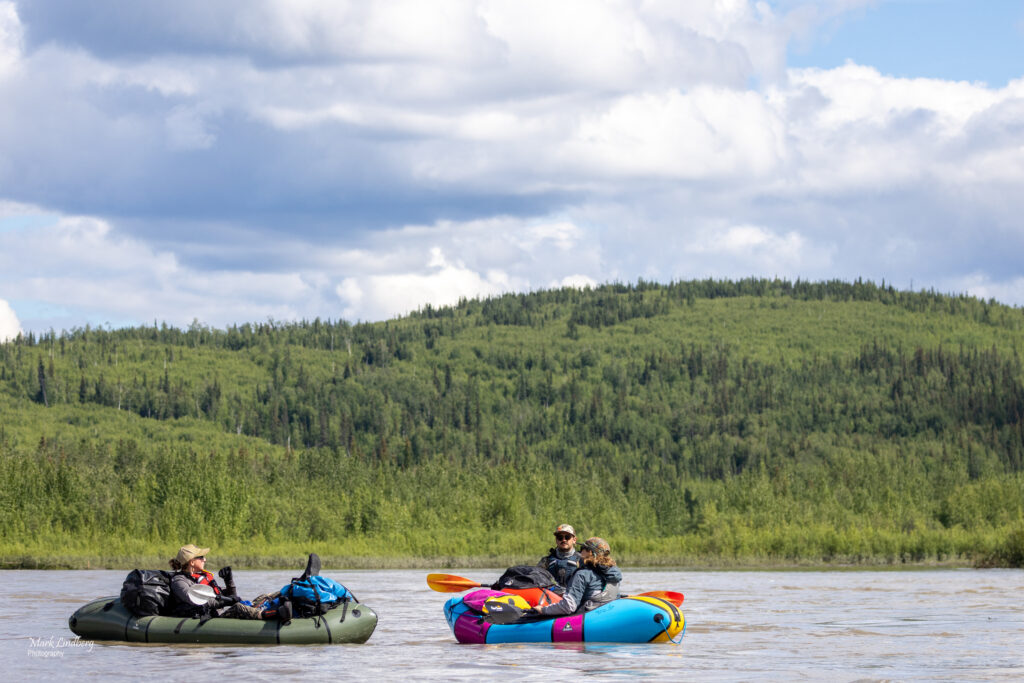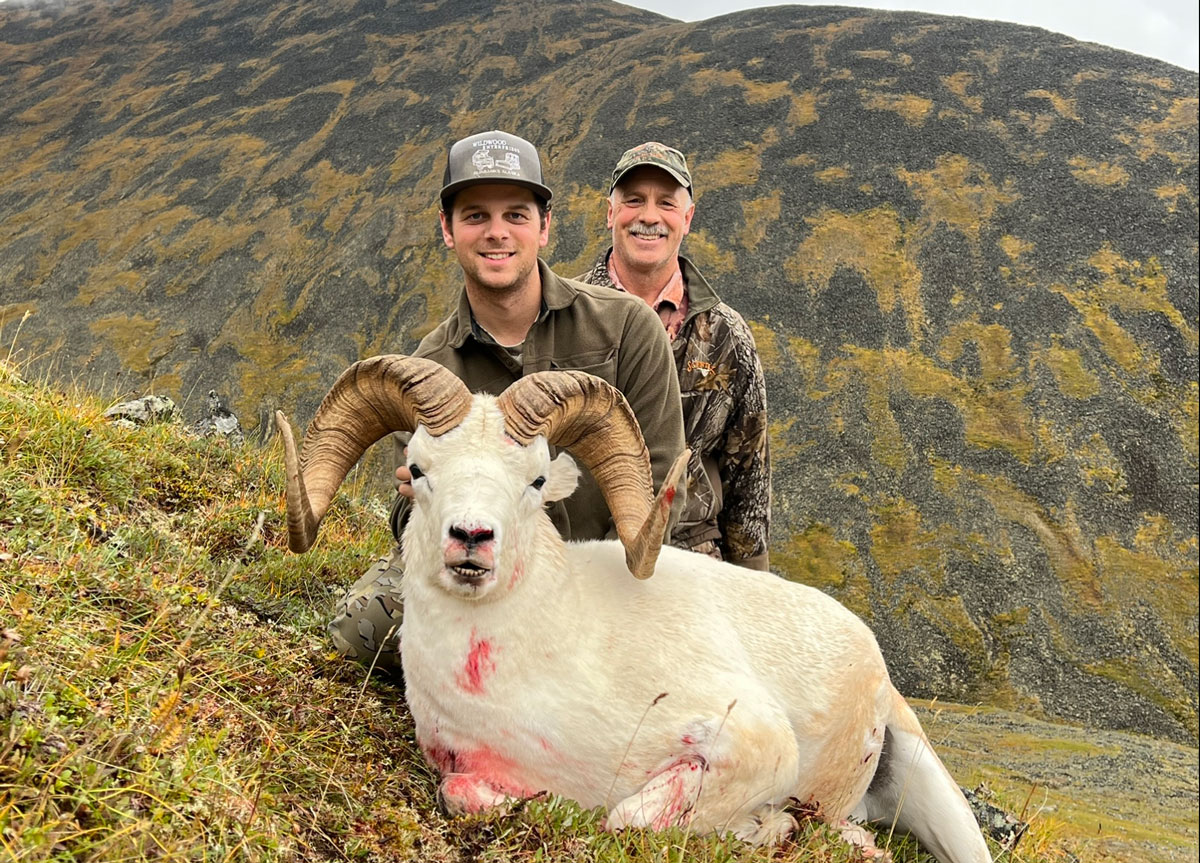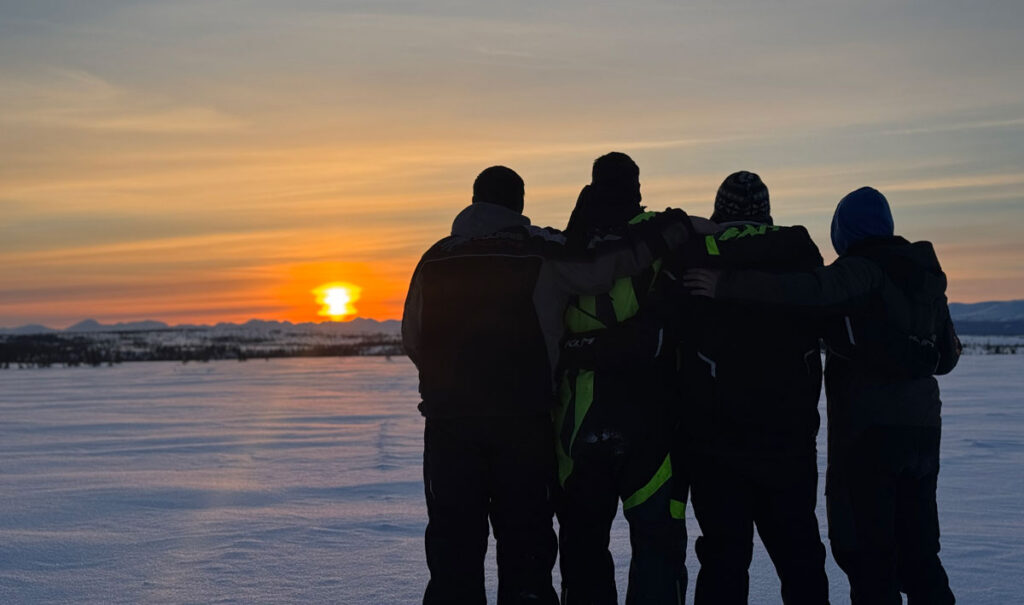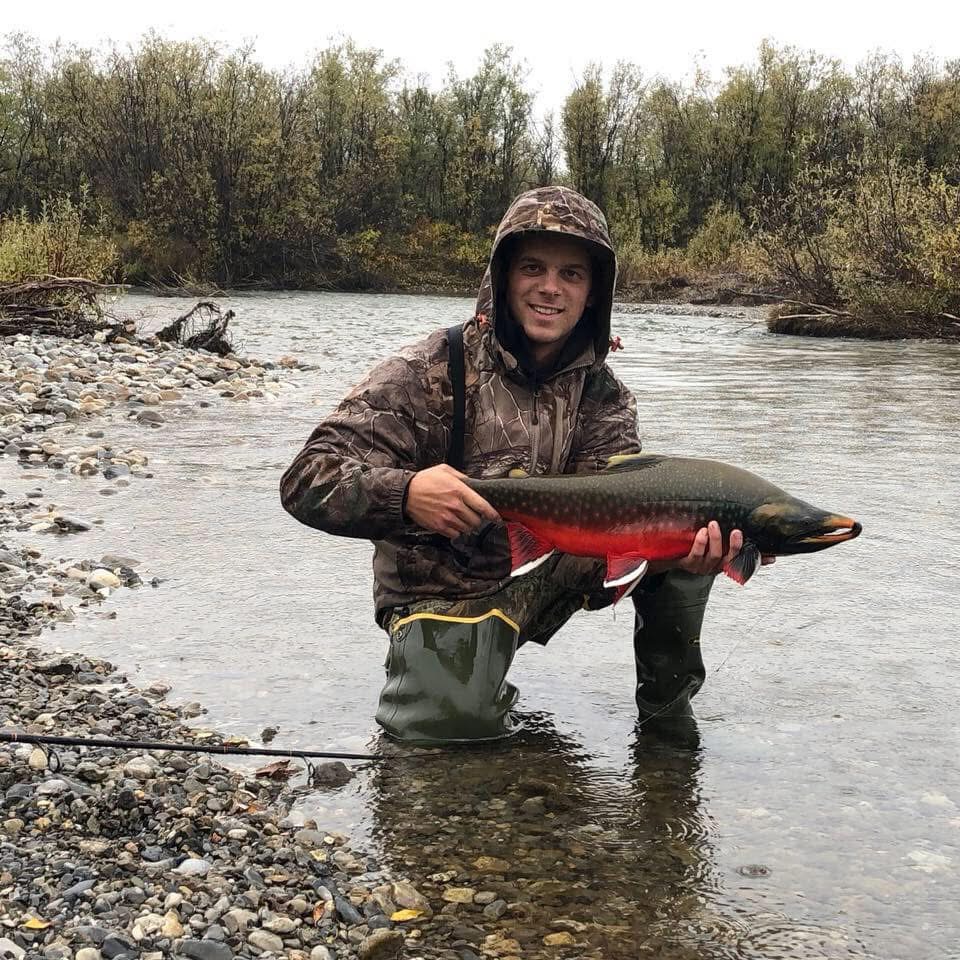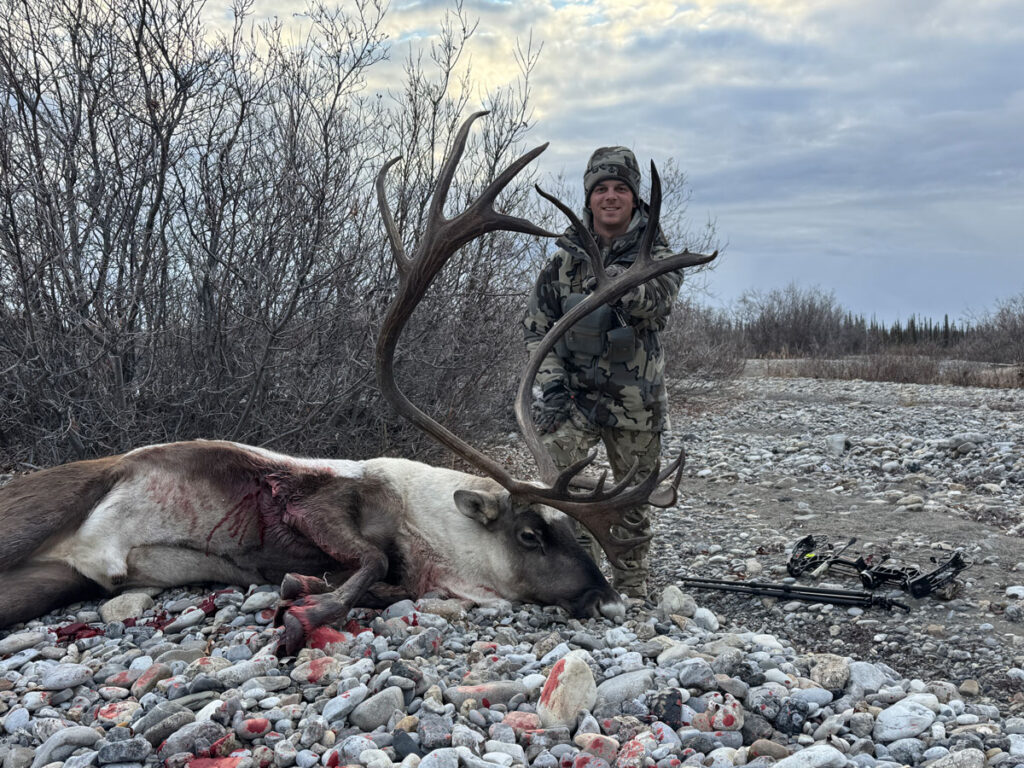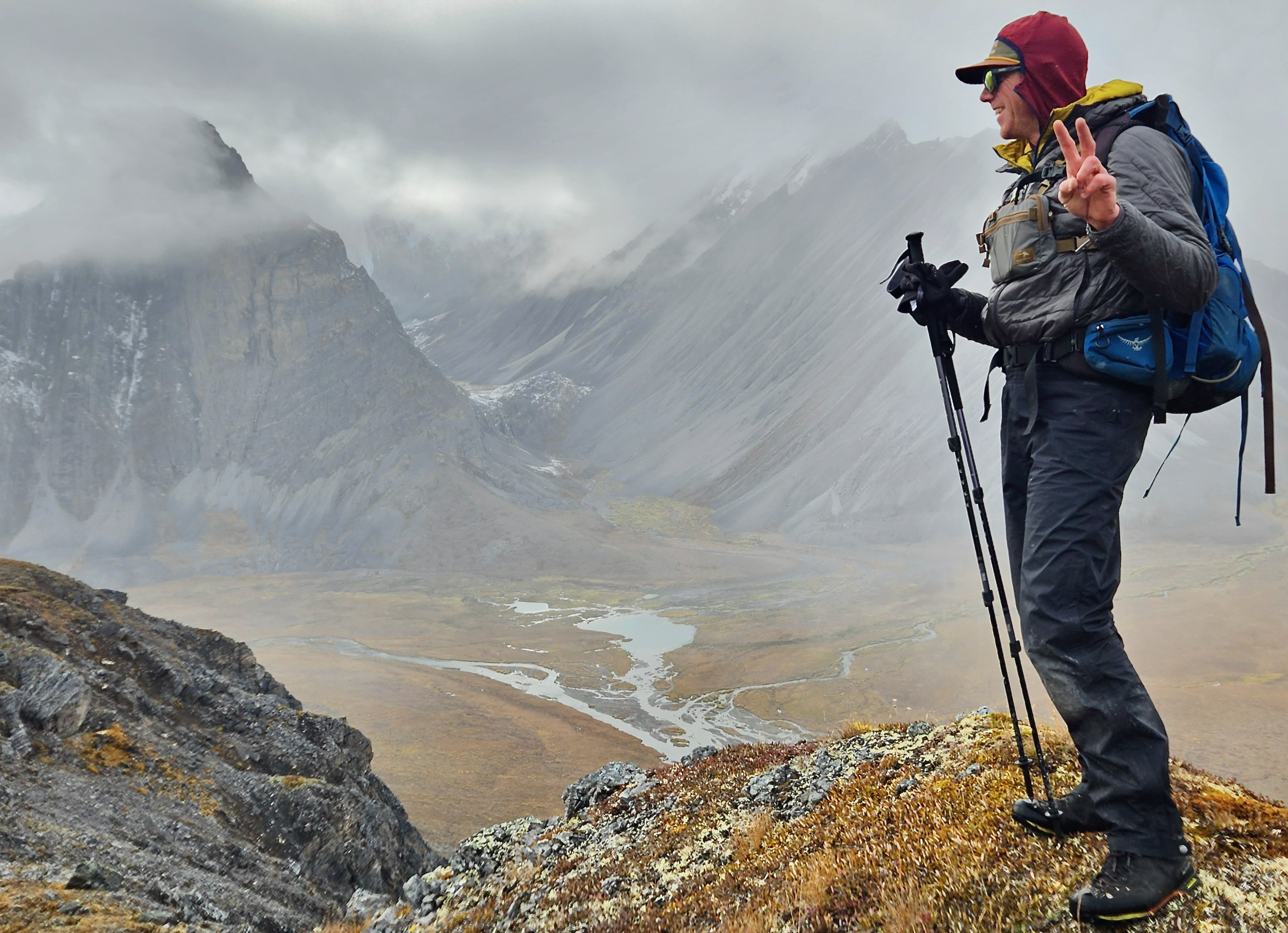
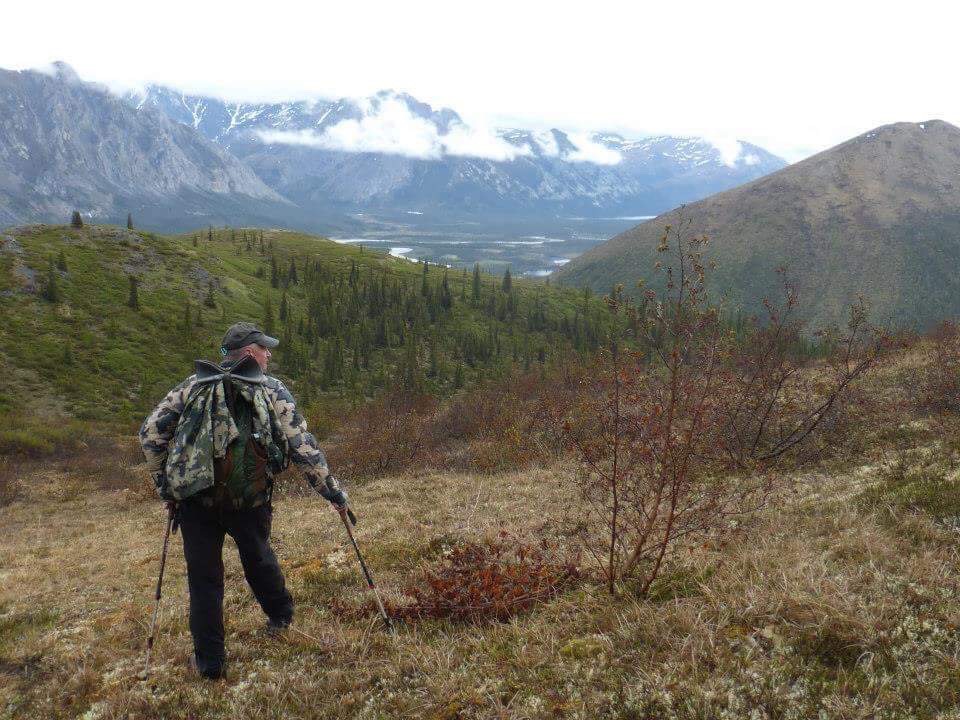
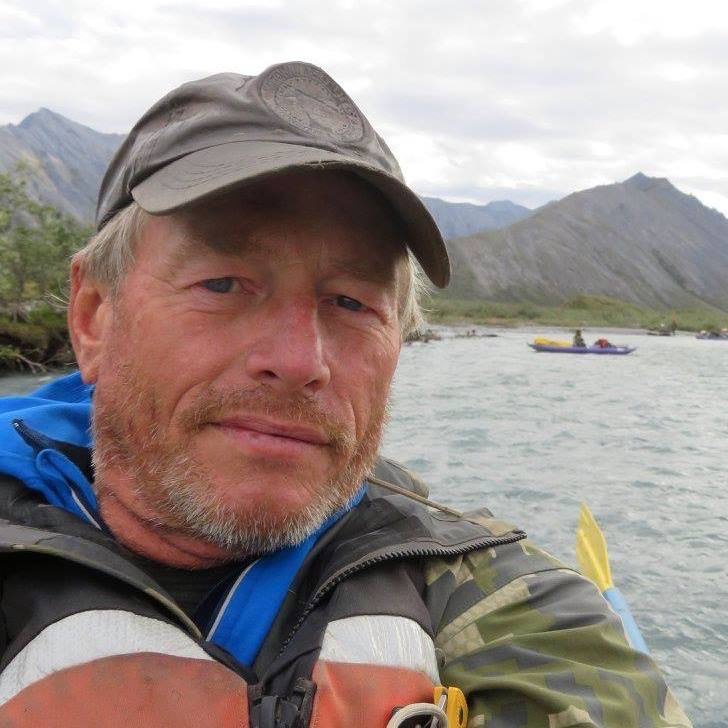
Barry Whitehill has a deep knowledge of Alaska’s interior and arctic regions and is generous in sharing his hard-earned perspective. He regularly takes a wide array of people on river floats, fishing, and hunting trips to the Brooks Range.
Whitehill jokes that he has ulterior motives. He wants more people to understand how special the Brooks Range is so they will help protect it for future generations.
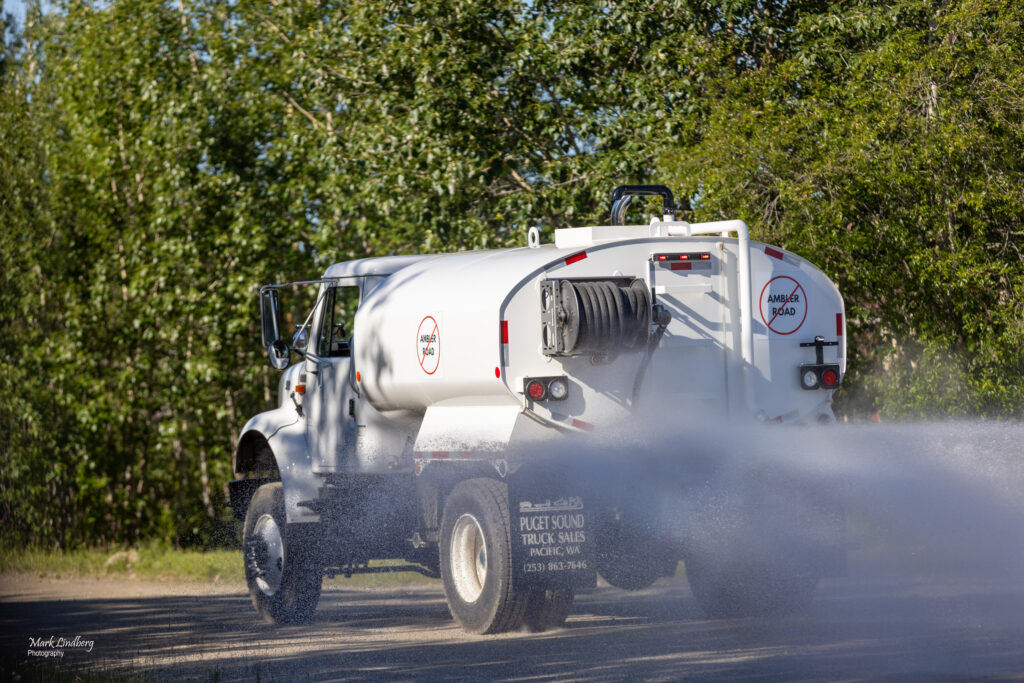
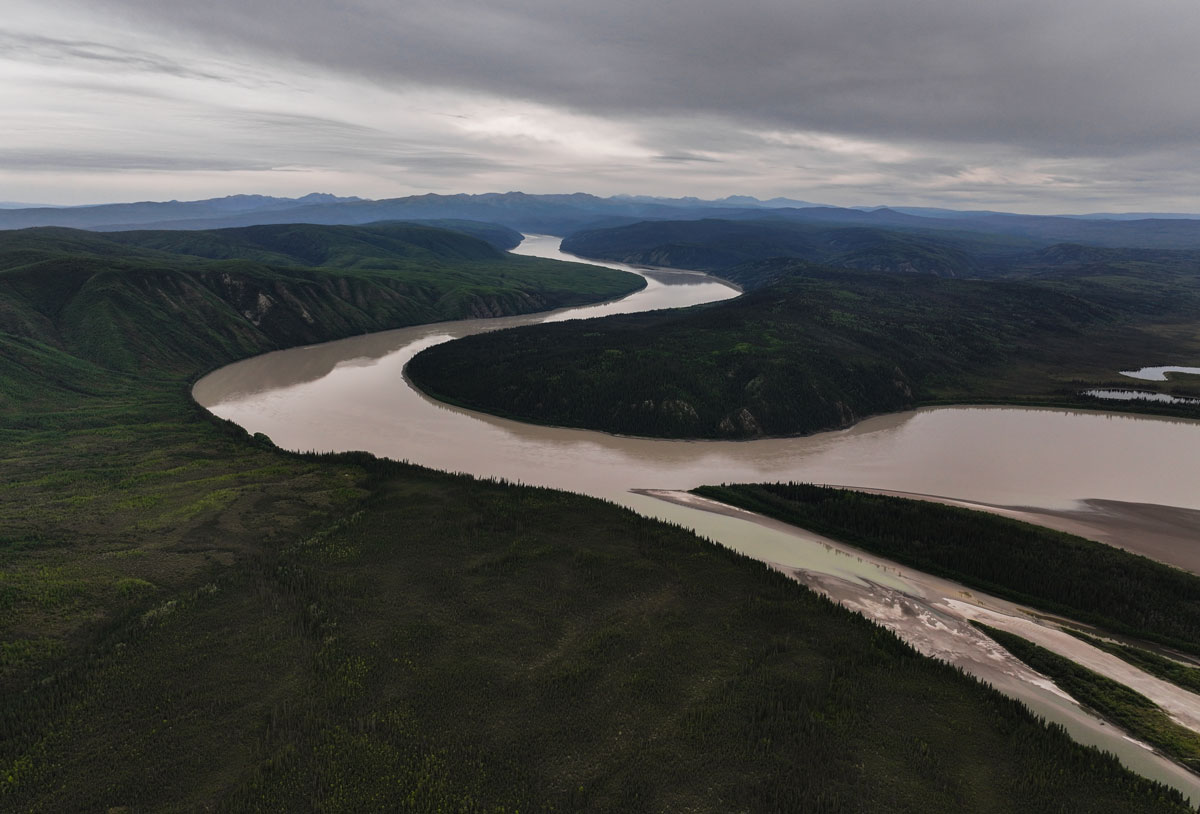
He does not mince words when it comes to the threat the proposed Ambler Road presents for hunters, anglers and anyone who cares about wild public lands. If built, the Ambler Road would be a 211-mile industrial corridor across the southern flanks of the Brooks Range that would open the region to mining and industrial development. The private road would mostly benefit foreign mining interests, while wrecking opportunities for local and visiting hunters and anglers.
Here is his story.
Describe the types of activities you’ve enjoyed in the Brooks Range.
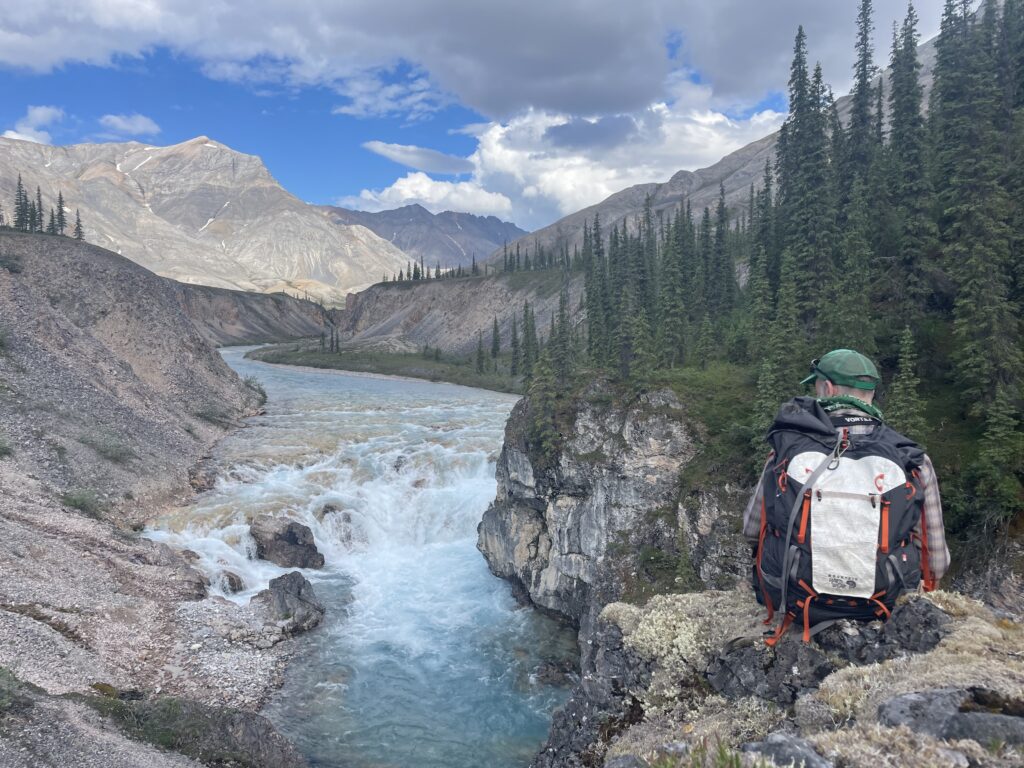
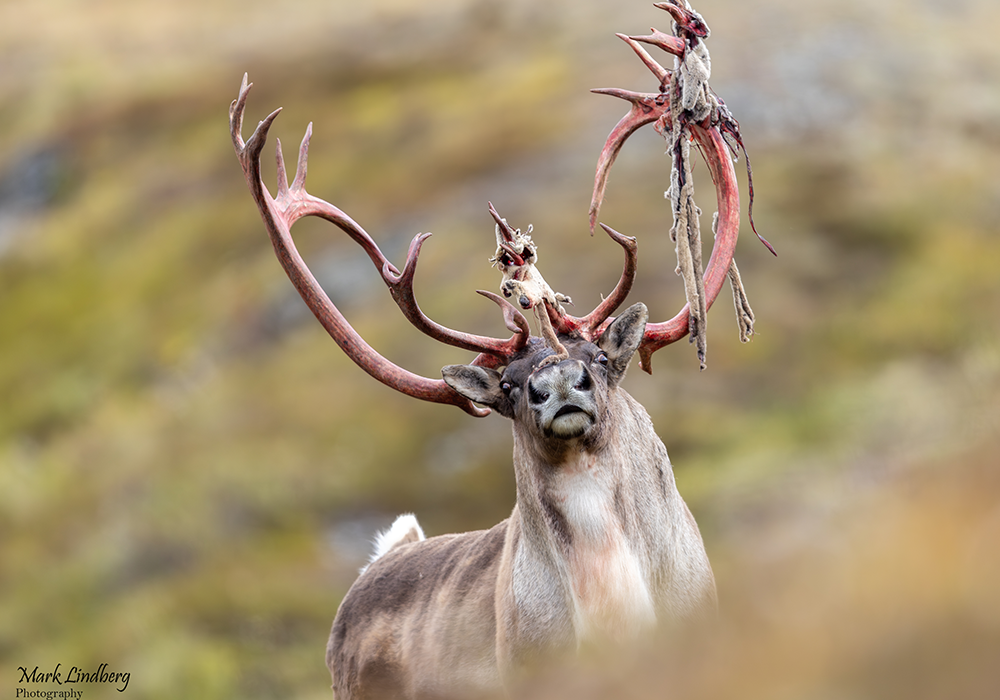
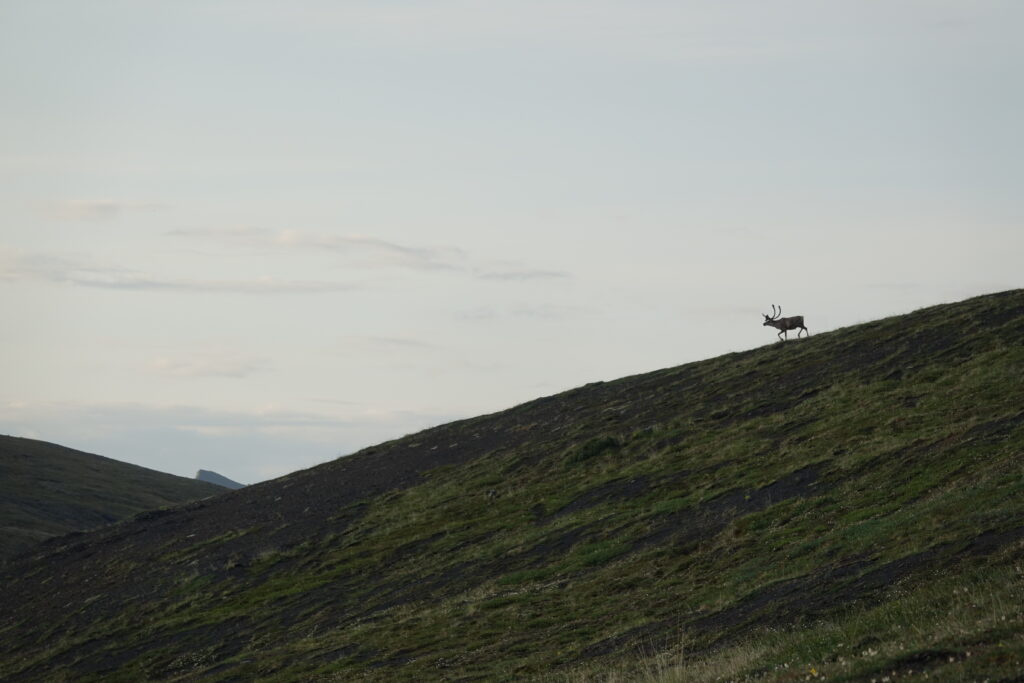
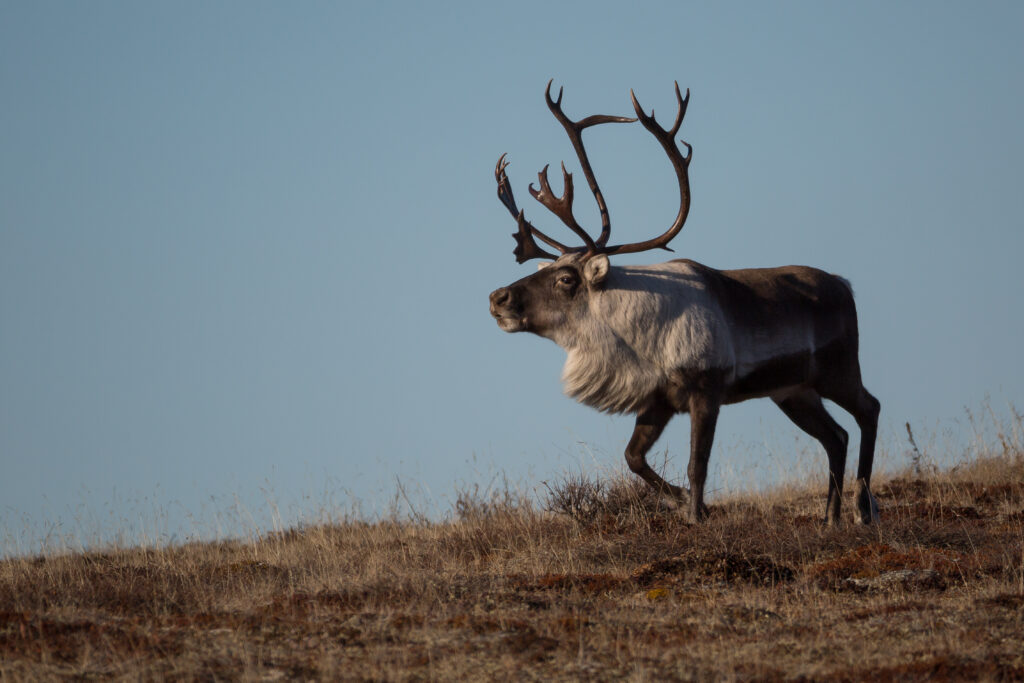
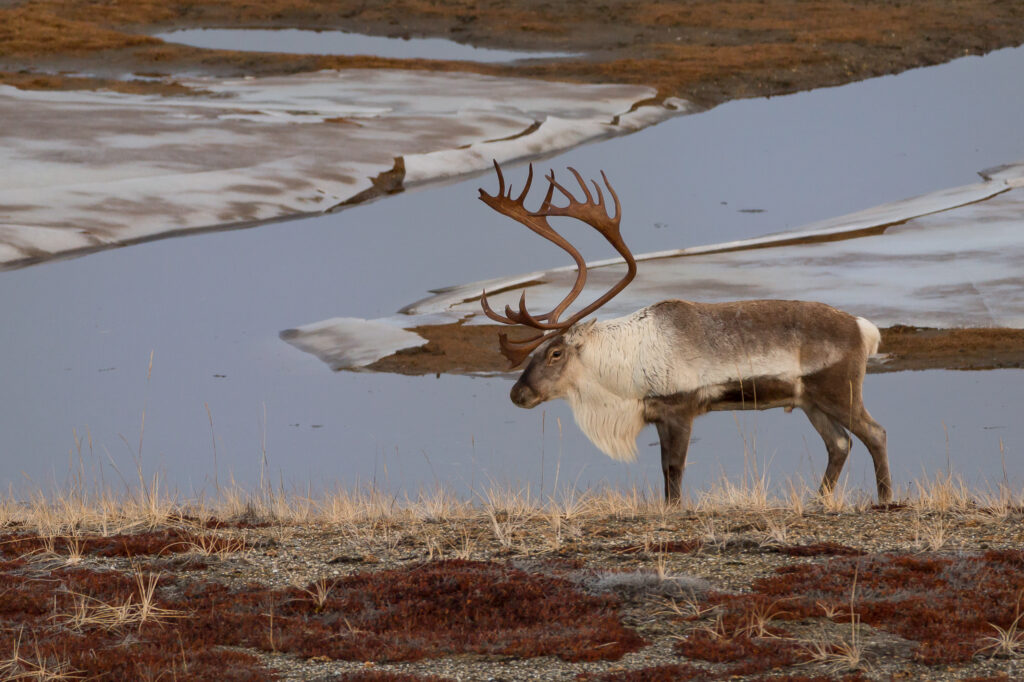
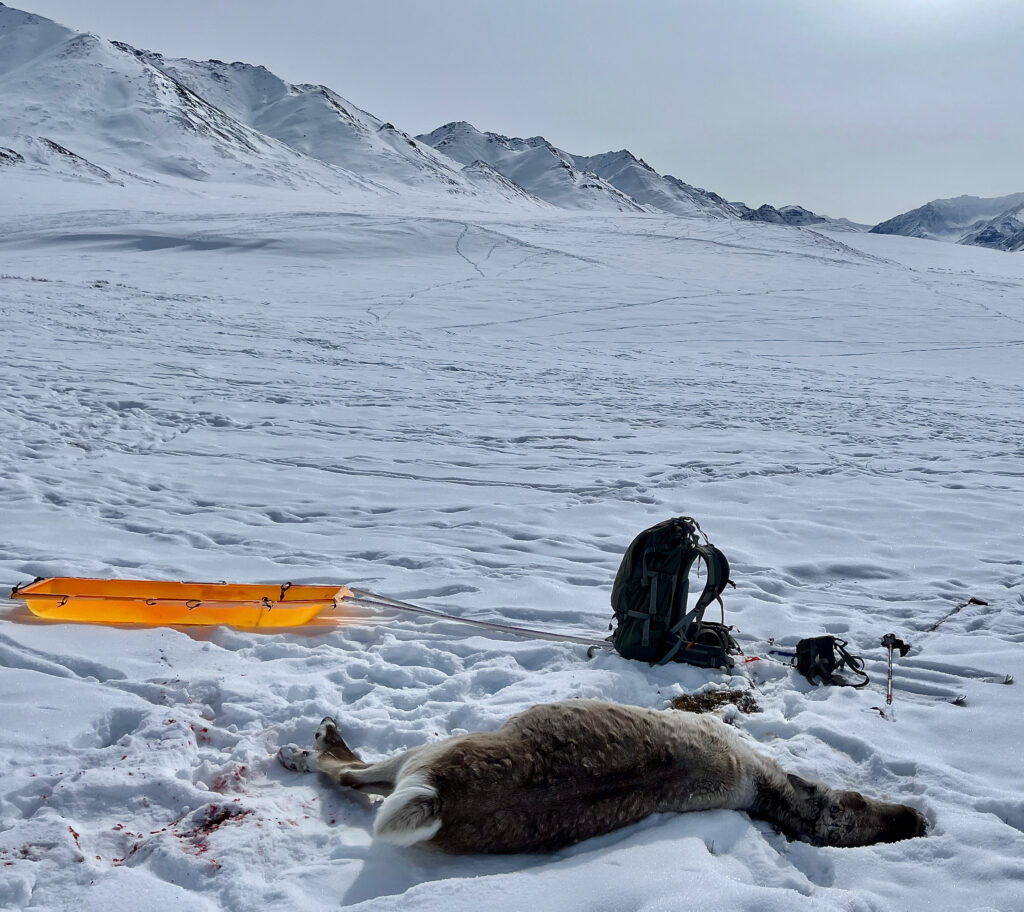
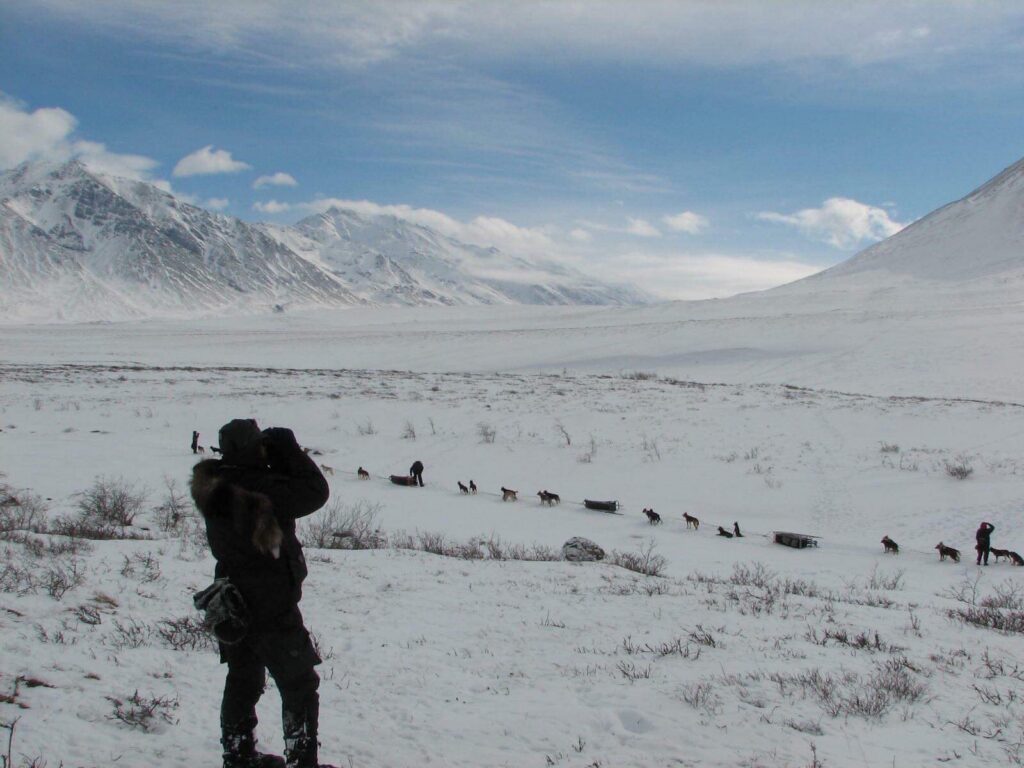
I’m a hunter and my focus is getting meat on the table. Caribou have been an important part of my family’s dinner fare. I’ve mushed dogs, floated rivers and hiked into the Brooks Range to hunt caribou. One of the cool parts of hunting the Brooks Range is how you come across evidence of past hunters using the land going back many, many generations. Things like stone circles that mark old campsites. You realize you are not the first hunter here and that people have been chasing caribou and calling this place home for a very long time.
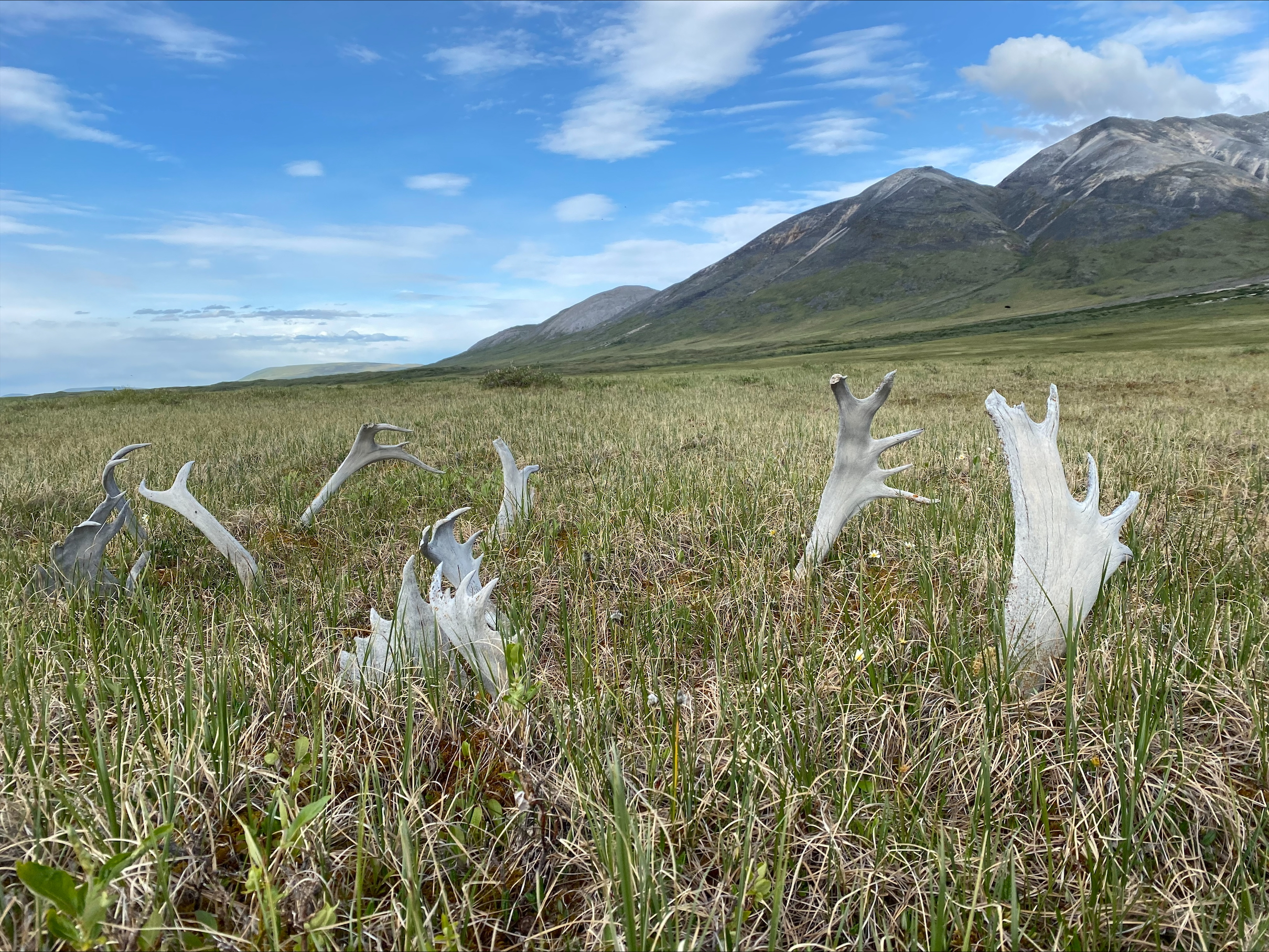
The North Slope of the Brooks Range has been a desert for so long that it really preserves things. There are caribou sheds found out there that have been dated to be more than a thousand years old. In old drive fences you can still find sticks the old people likely hung netting from to tangle Dall sheep. If you touch them, they’ll disintegrate. I once found an arrowhead that I believe was made from the femur of a marmot. The Brooks Range has long been used by hunters. It’s important we keep it the sort of place that we can pass on to future generations.
Share one memory that stands out to you.
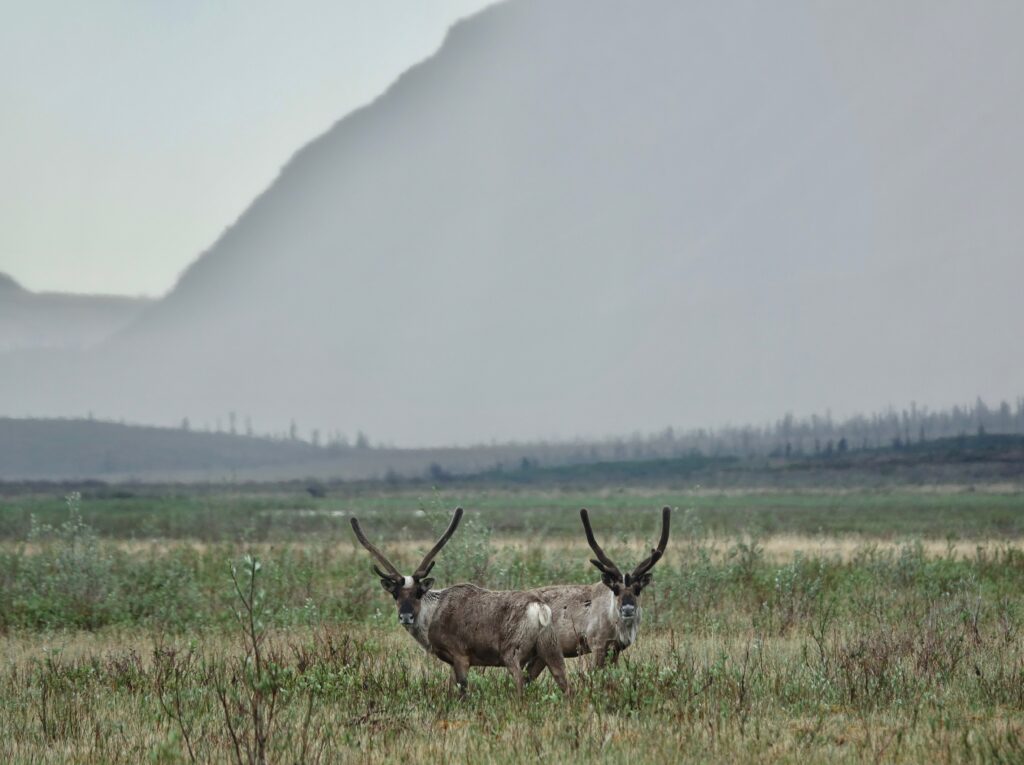
I took a 60 Minutes cameraman into the Brooks Range who wanted caribou footage for the Sunday Morning Show. At the time, the Western Arctic Herd was at its peak, numbering nearly half a million animals. We flew over a vast stretch from Bettles to the Killik River without seeing a single caribou.
Finally, on day three of the trip, we spotted a trickle of caribou coming our way. Soon after that, we had caribou passing by camp on both sides of the river. I estimated that a thousand animals went by every hour. It was incredible to be so close to such an amazing event, smelling their smell, listening to their grunts and the sound of their tendons clicking. They were so close we could have reached out and touched individual animals.
Think of your first trip to the Brooks – what was different than you expected?
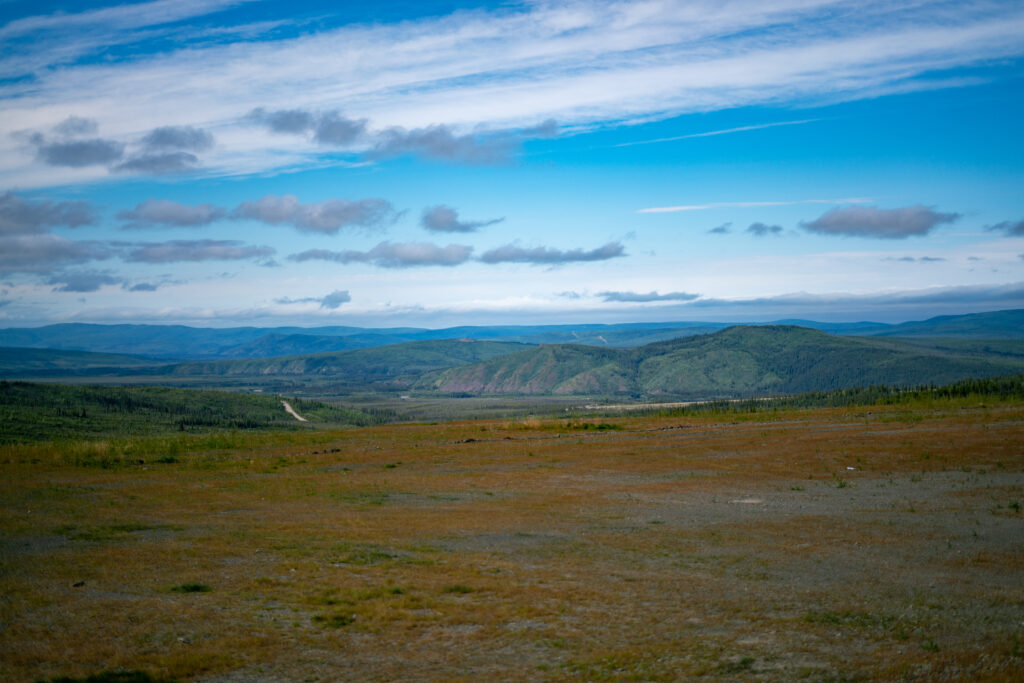
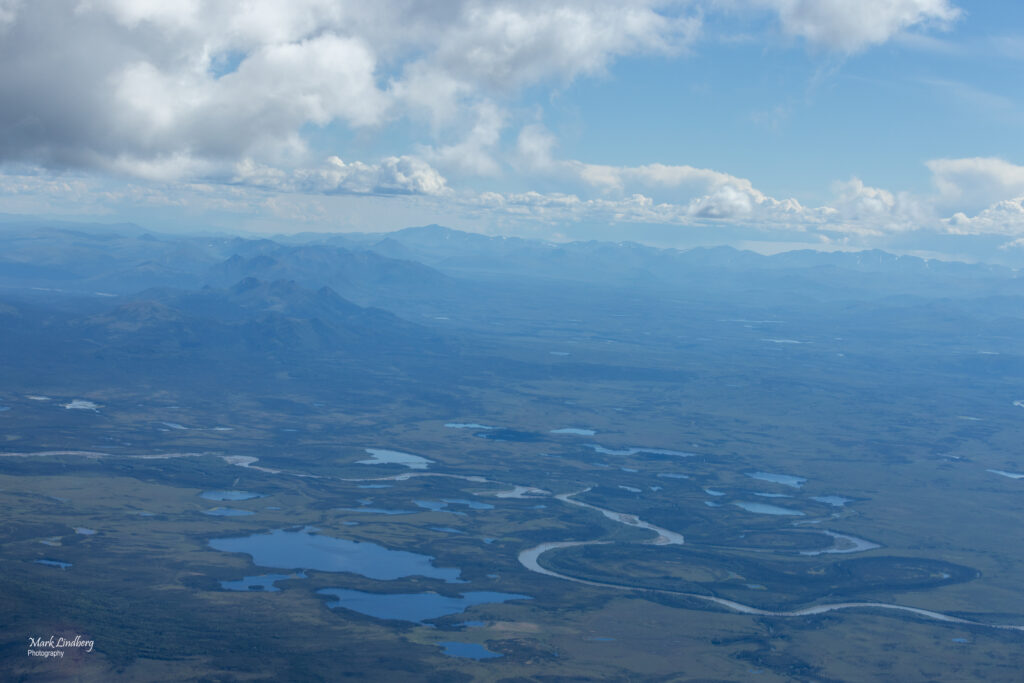
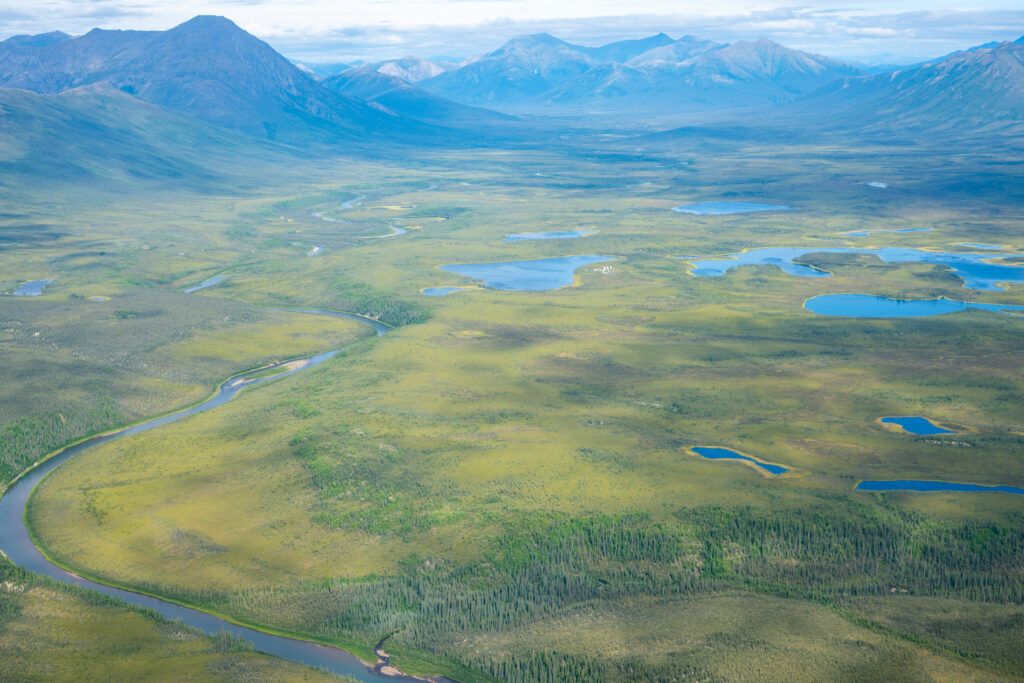
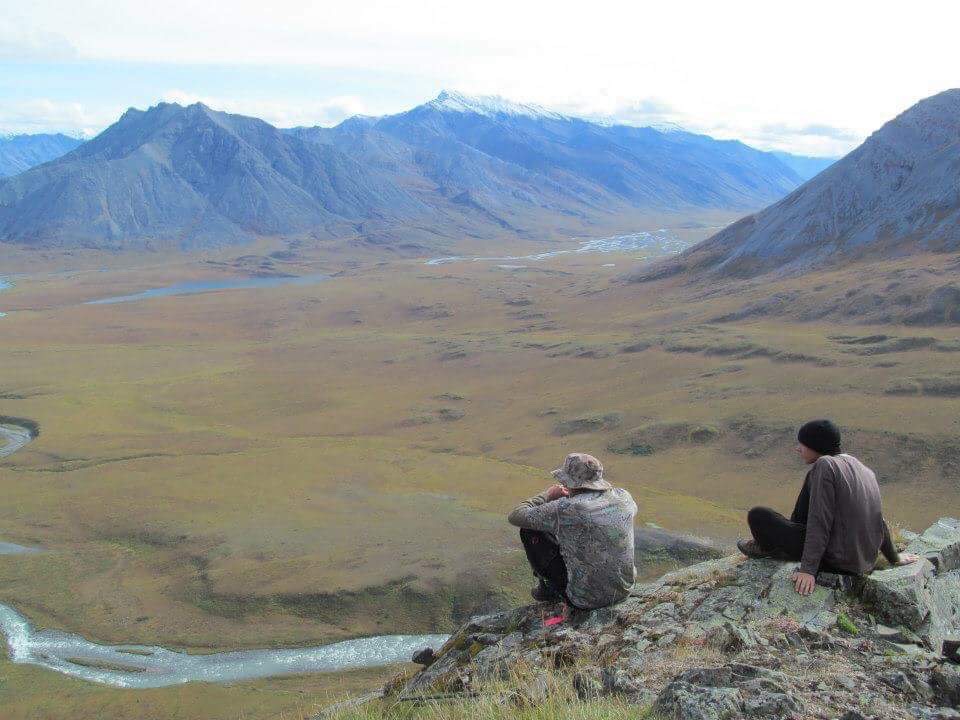
On one of those first trips, I was with my sons when they were three and five. We drove the Dalton Highway and when we crossed Atigun Pass, I remember looking out on the unaltered landscapes away from the road and feeling like I was seeing what Lewis and Clark saw when they made it to the Upper Missouri River two centuries earlier. It is a place you can still look out as far as you can see without roads, fence lines nor power poles marring your view.
What is most special about this place?
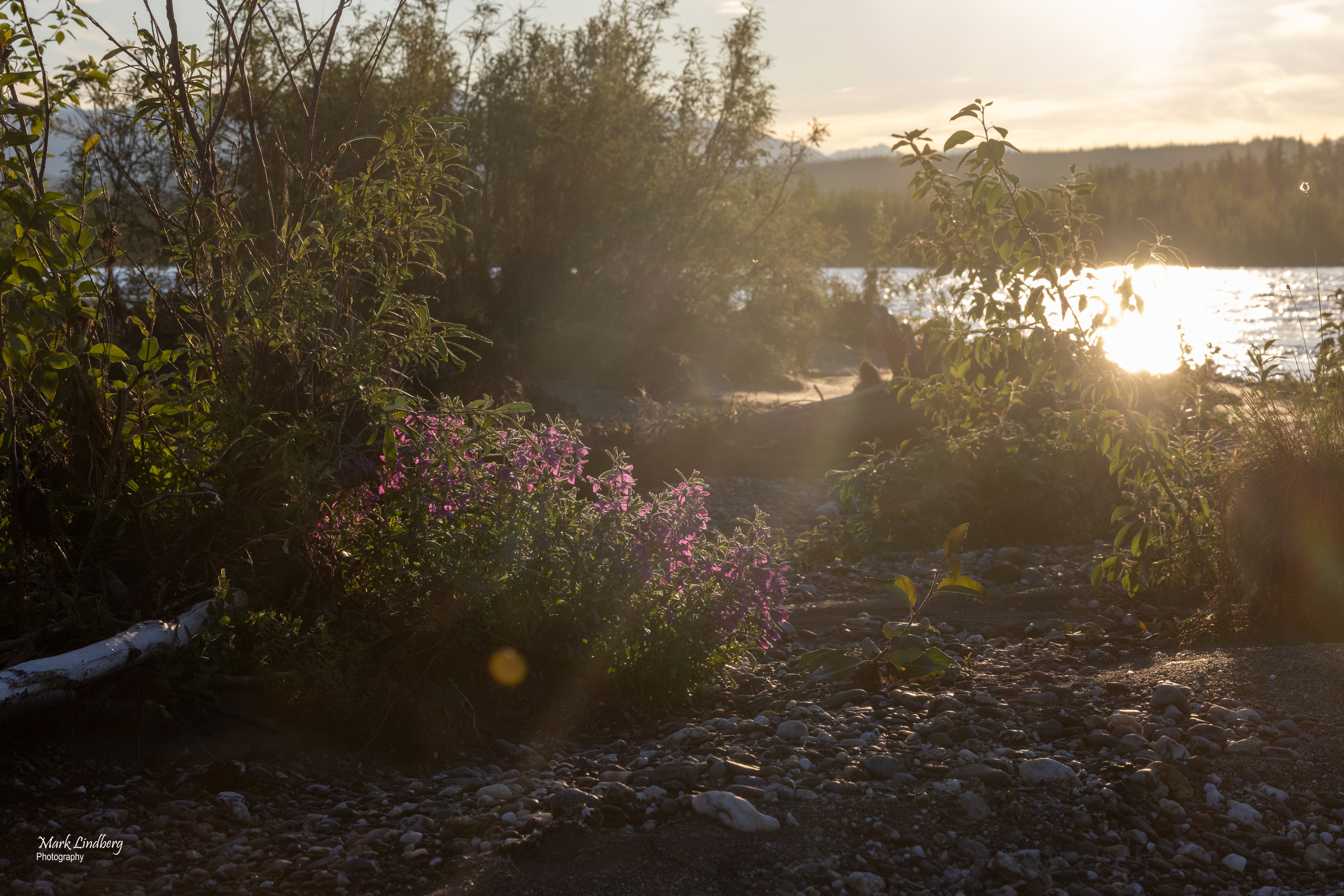
The Brooks Range is a transformative and healing place. It’s not a barren wasteland as some would like you to think.
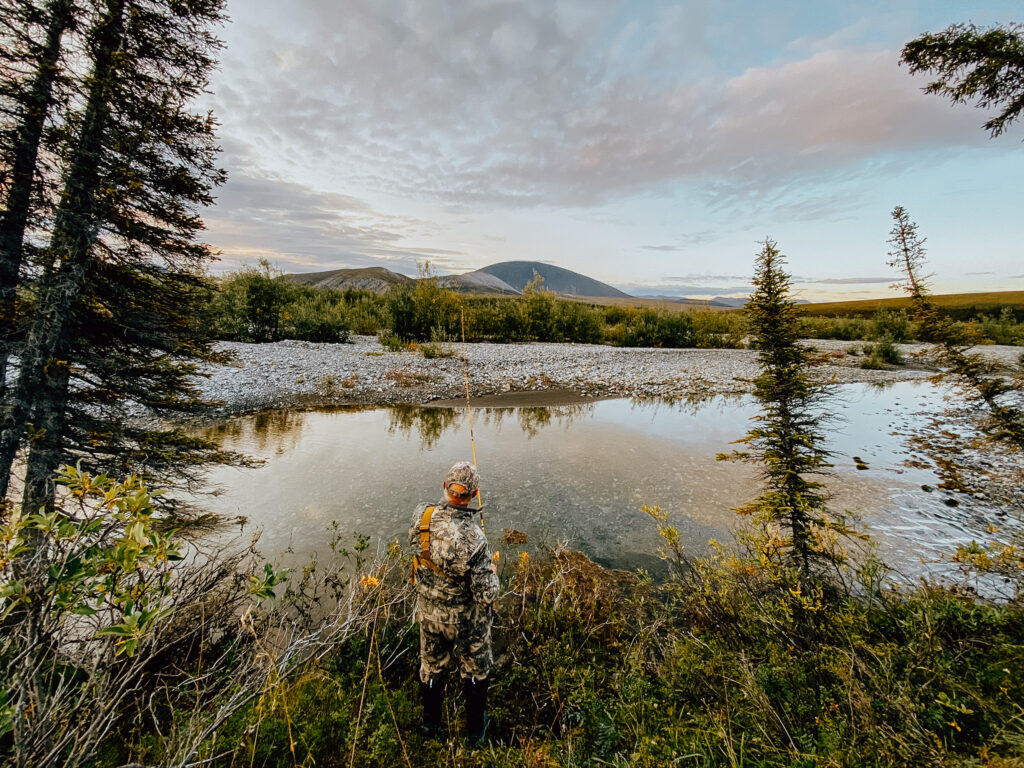
For the past ten years, I have been taking combat veterans on fishing and hunting trips in the Brooks. One trip I took out veterans with PTSD and a group of inner-city teenagers. I wondered if it would be a disaster, but it turned out to be an incredible trip. I remember one of the veterans had received a Purple Heart. His best friend had died in his arms in Afghanistan. As he was fishing, he began to smile. His buddies were shocked. They told me that they couldn’t remember the last time they’d seen him smile.
Share at least one piece of essential gear you’d recommend packing or advice you’d share with someone going to the Brooks for the first time.
My gear recommendation would depend on what sort of trip you’re planning. If you’re going on a trip where weight isn’t a big issue, consider bringing a torch you can attach to a small propane bottle. That way you can get a fire started in even the wettest weather.
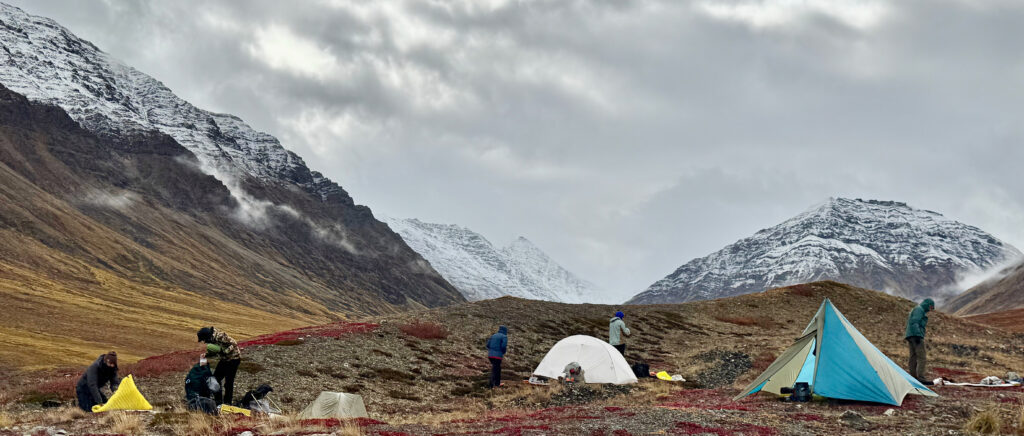
I’ve whittled down the weight of my kit as much as I can. I like using a Siltarp as a sleep shelter when I have willows to set it up with. I pair it with bug netting during insect season. It’s nice to be able to look around in case you have a large, hairy, unwanted camp guest.
For advice, don’t bite off more than you can chew. Take your time. Look at the small things. Don’t get lost in how big a place it is. The more time you take and the more you pay attention, the more worlds will open to you.
What aspect of the proposed Ambler Road project concerns you most?
Where to begin? I dread the idea of an industrial corridor going east to west, cutting across all those river and creek drainages. The road would be entirely different than the Dalton Highway. The Haul Road runs south to north, impacting less watersheds. The Ambler Road would cut across the watersheds draining the southern Brooks Range and likely devastate them.
The Ambler Road would cut across the most premier wild lands left in North America.
It would damage the hunting and fishing opportunities for locals and visitors. Over the years I’ve gotten to know a lot of Alaskan Natives who live in Evansville, Allakaket and other villages who are devastated by how the Ambler Road could threaten their subsistence lifestyle.
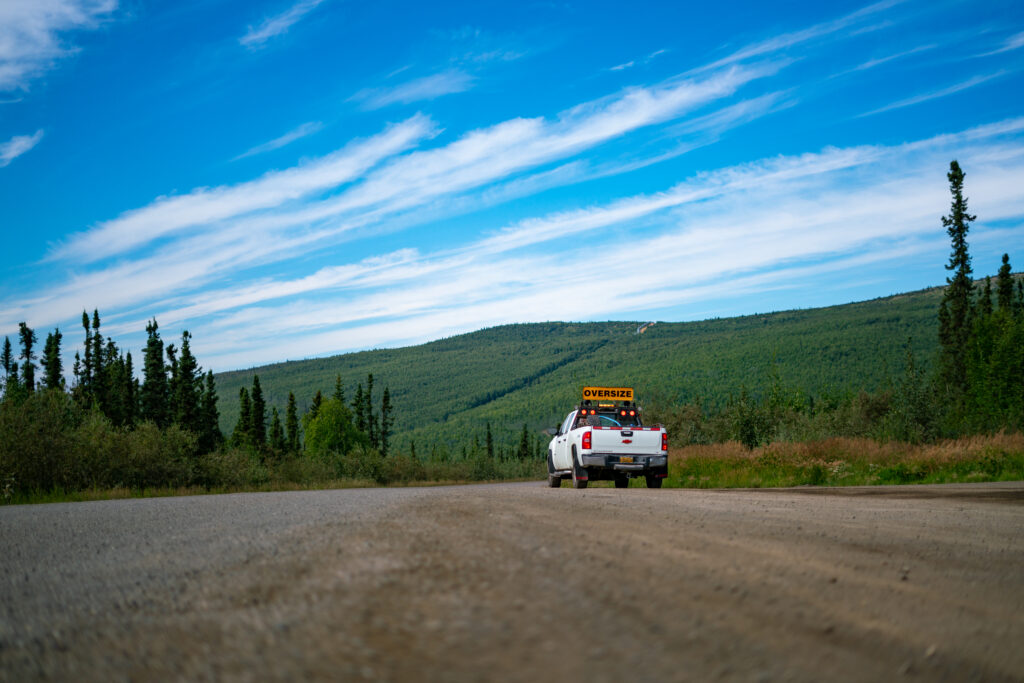
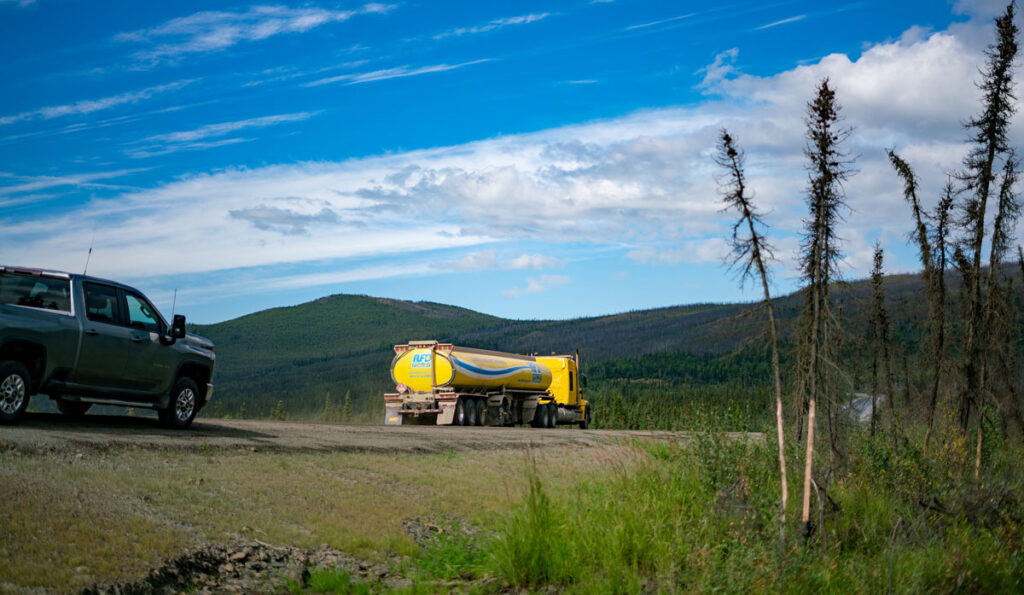
Then there’s all the ore trucks that would come with it if the project went through. The Dalton Highway has gotten harder to drive. We can’t keep up with maintenance on that road. How will it handle all the additional ore trucks? My list of concerns goes on and on.
How do you think your experience in the Brooks would change if the Ambler Road was built? What do hunters and anglers stand to lose?
Hunters and anglers from the Lower 48 come up to the Brooks Range to make an adventure that they’ve often spent a lifetime dreaming about. The road and the ensuing development that will come will destroy that dream.
What’s the biggest misconception you’ve heard about the project?
When they say they’ll put the land back to the way it was after they are done mining. There is no way to put the fragile Arctic landscape back. You can still see the Hickel Highway, which was a failed attempt to build a connecting road to Alaska’s Arctic in 1969.
What might you say to someone who said, “I don’t understand why this road is such a big threat?”
You haven’t been out there and seen how special a place the Brooks Range is.
It’s the last of the last of the real wilderness. Once it’s gone, we’re not getting it back.
Why is it important that hunters and anglers across the nation speak up against the proposed Ambler Road?
The Ambler Road would go through the heart of our best wild public lands for what? Foreign-owned mines. That’s ridiculous.
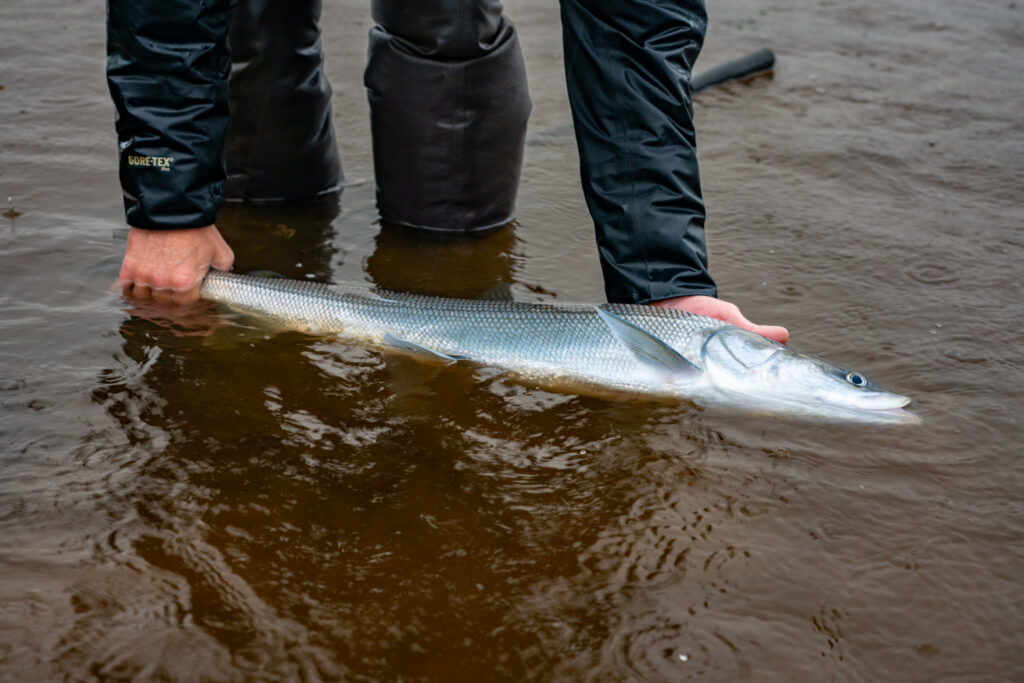
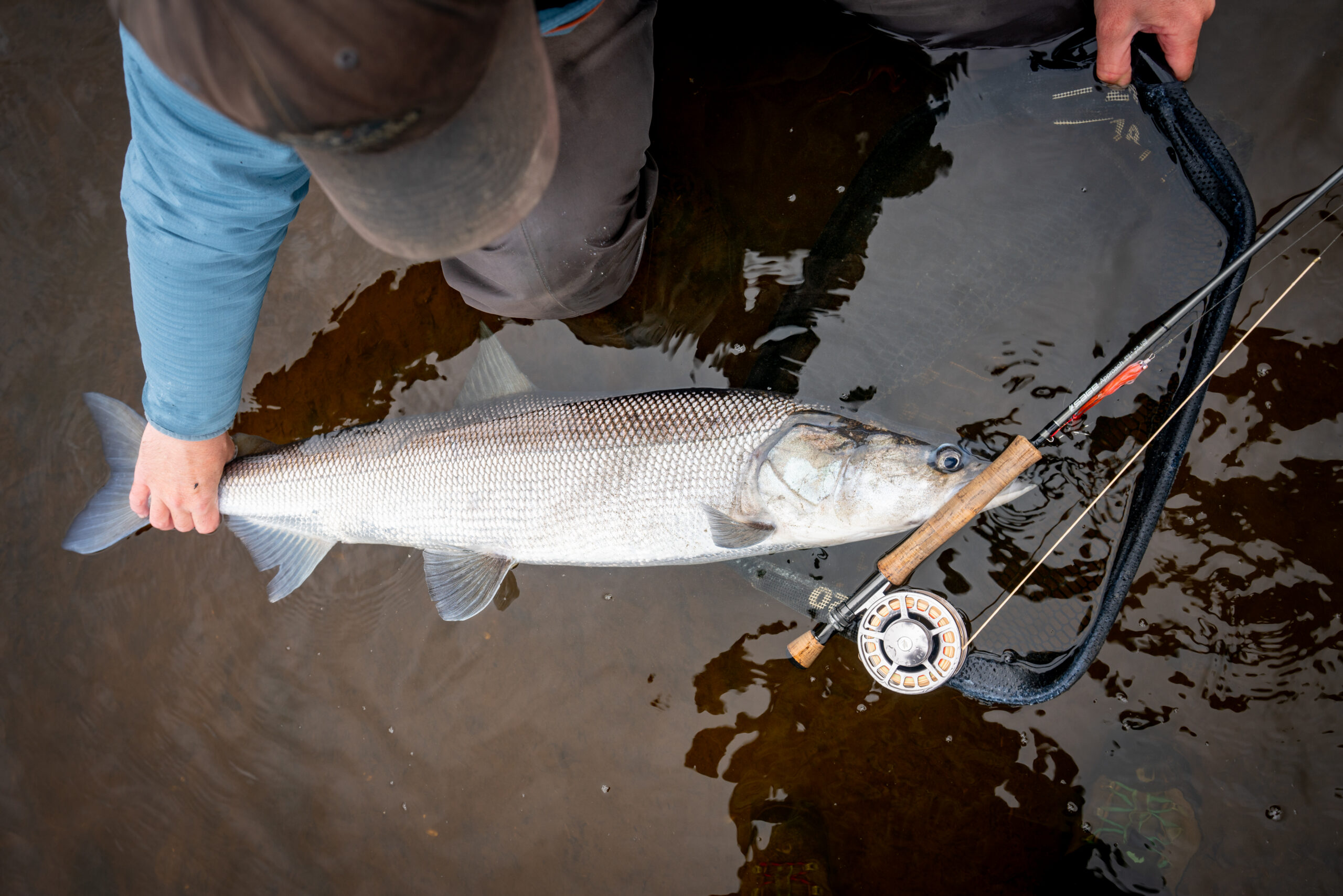
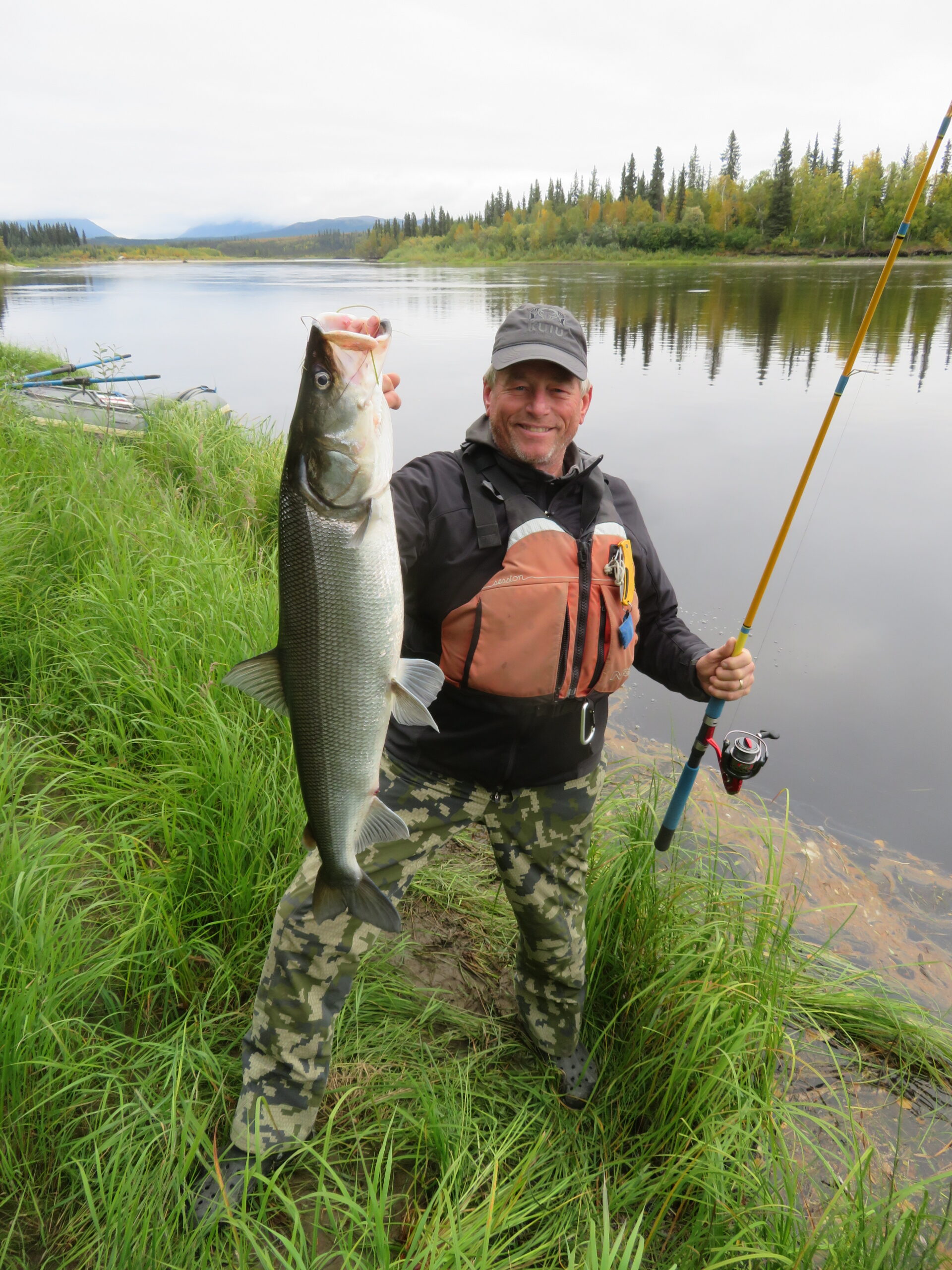
Hunting and angling transcend political party lines. We can have a powerful voice that reaches both sides of the aisle. If we band together, we can make a difference. We can keep the Brooks Range a place where future generations of hunters and anglers can chase caribou, catch sheefish and experience how special and transformative a place it is.